If you own a home, cracks in your foundation are almost inevitable. Seasonal temperature swings, natural settling, and soil conditions can all cause the concrete around your home to shift. Not every crack signals serious damage or structural issues, but knowing when foundation cracks need attention prevents bigger problems later.
Knowing what kind of crack you’re seeing, and what caused it, helps you understand whether it’s a simple DIY fix or a problem that calls for expert help. This guide explains how to fix foundation cracks, why they form, how to identify them, and how to choose the right repair approach.
How foundation crack repair works
Foundation crack repair methods depend on the crack’s size, location, and whether it’s actively moving. For hairline cracks (under 1/8 inch), a flexible sealant or epoxy compound is used to bond to both sides of the crack, creating a waterproof barrier. Larger or structural cracks require more involved techniques that either fill in the gap or reinforce the walls themselves and offset the pressure that caused the crack in the first place. The key is correctly diagnosing the underlying problem and using the applicable repair method.
What causes foundation cracks?
Foundation cracks can form for several reasons, and pinpointing the cause is as important as the repair method. Common factors include:
- Natural settling: Homes shift slightly as the soil underneath compresses.
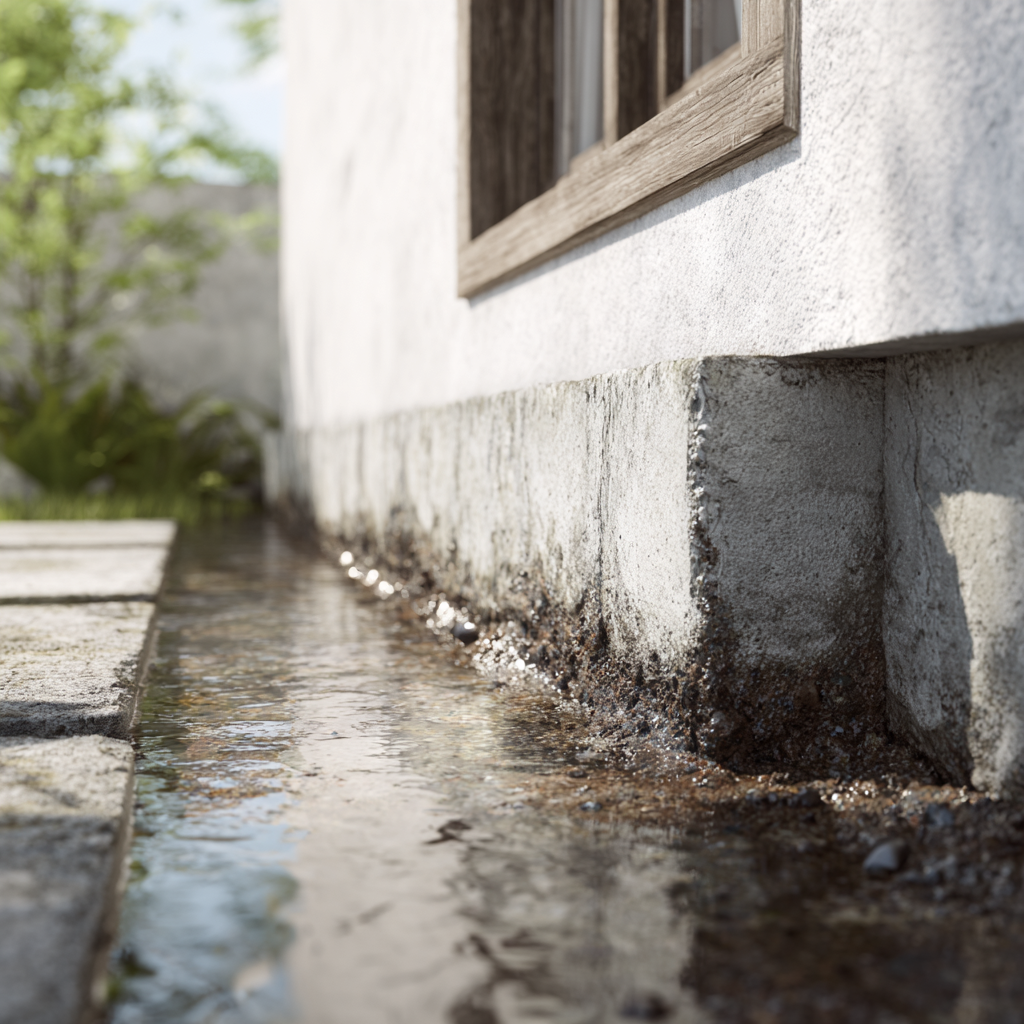
- Moisture and drainage issues: Soil that’s too wet or too dry expands and contracts, putting pressure on the concrete.
- Freeze–thaw cycles: In climates such as Rhode Island, soil expansion and contraction during winter can cause the foundation to move.
- Expansive clay soils: Clay-rich soils swell when wet and shrink as they dry.
- Construction or soil compaction issues: Poorly compacted fill beneath the footing may settle unevenly over time.
Understanding the root cause helps determine whether a crack is mostly cosmetic or a symptom of something more significant.
Common types of foundation cracks (and what they mean)
The direction and size of a crack can offer valuable clues about what’s happening below.
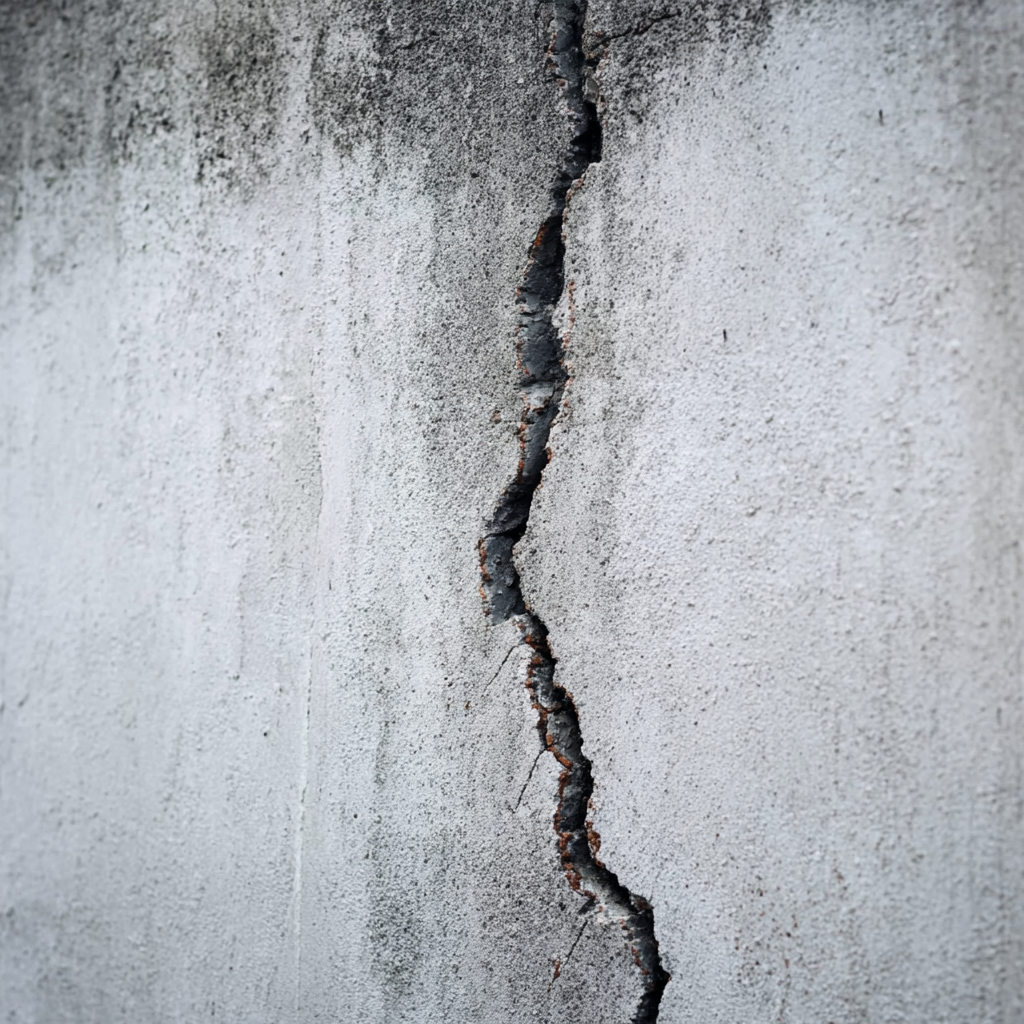
- Hairline vertical cracks: These usually develop as concrete cures or from minor settling. They’re often cosmetic, also known as non-structural cracks, and can be sealed to keep out moisture.
- Horizontal cracks: These may indicate pressure from expanding soil or poor drainage. These are considered structural cracks and warrant professional evaluation.
- Stair-step or diagonal cracks: Common in brick or block foundations, these follow mortar joints and point to uneven settling or shifting. Monitor them closely for changes.
- Cracks wider than 1/8 inch: Width matters. Larger or growing cracks often indicate ongoing movement and should be assessed by an expert.
Can you fix foundation cracks yourself?
Small, stable hairline cracks, especially narrow vertical ones, can sometimes be sealed with epoxy or polyurethane crack injections to block moisture and improve appearance. For homeowners comfortable with basic repairs, fixing foundation cracks on your own might work for these minor issues.
However, self-repair only treats what’s visible. It won’t correct underlying problems like drainage or soil pressure. If a sealed crack reopens or lengthens, there’s likely more movement occurring below.
Basic DIY repair process for minor cracks
For small, stable hairline cracks under 1/8 inch, DIY repair is straightforward. First, clean the crack thoroughly with a wire brush to remove loose debris and dust. Apply the epoxy or polyurethane sealant according to the product instructions, working from bottom to top to prevent air pockets. Allow the material to cure fully—typically 24 to 48 hours—before exposing it to moisture or stress.
Keep in mind that this addresses only the visible crack, not the underlying movement or structural issues.
When to call a professional
Get a professional evaluation if you notice:
- Horizontal or stair-step cracks
- Cracks wider than 1/8 inch
- Evidence of water intrusion
- Musty smells or damp foundation walls
- Sticking doors or windows near cracked areas
- Bowing or bulging walls
These signs suggest structural stress that needs a deeper look. Attempting DIY repairs for structural cracks can mask serious problems and jeopardize your home’s structural integrity. The underlying movement continues even if you can’t see it.
DIY vs professional repair: quick comparison
| Situation | When DIY Repair May Be Okay | When to Call a Professional |
| Crack width | Hairline or under 1/8 inch | Wider than 1/8 inch or continuing to expand |
| Crack direction | Vertical and stable | Horizontal or stair-step pattern |
| Moisture | No water leaks present | Water intrusion or persistent dampness |
| Structural signs | No sticking doors/windows | Doors/windows misaligned or walls bowing |
| Goal | Temporary sealing to prevent moisture | Long-term structural stability and safety |
Professional foundation repair solutions
When foundation problems become a concern, professionals offer proven repair methods such as:
- Structural polyurethane or epoxy injections
- Reinforcement or stabilization of foundation walls
- Drainage improvements or grading corrections
- Masonry repair to restore strength and appearance
Specialists will choose the right repair method based on the type of damage and underlying conditions. For example, structural epoxy is ideal for restoring strength to cracked concrete, while polyurethane is best for sealing active water leaks. Working with a professional helps ensure a lasting, structurally sound repair that addresses the root cause while delivering the most cost-effective solution over time.
Long-term maintenance and prevention
To help prevent cracks from returning:
- Make sure water drains away from your home.
- Keep gutters and downspouts clear and extended.
- Monitor cracks periodically for any widening.
- Schedule occasional inspections, especially in older homes.
Addressing issues early is always easier and less costly than waiting for major repairs.
Protect your home with confidence
Foundation cracks can be unnerving, but understanding what you’re seeing and knowing when to bring in an expert makes the process much easier. Minor crack repairs can often be managed with simple fixes, while structural shifts deserve professional care.
If you’ve spotted a crack and want clear guidance before taking action, the Set in Stone team is ready to help. With decades of experience, we provide straightforward assessments and reliable repairs that help protect your home over the long term. Dealing with serious foundation cracks? Get expert foundation repair—contact us today to schedule a professional inspection and take the first step toward lasting peace of mind about your home’s stability.