If you’ve noticed concrete that feels powdery when touched, small pieces flaking away from walls, or cracks that seem to slowly deepen, it’s understandable to feel concerned. Your home’s foundation plays a central role in supporting the structure above it, and seeing the signs of crumbling foundation can feel unsettling.
Deterioration often begins subtly and becomes more noticeable over time. In Rhode Island, where freeze-thaw cycles and moisture exposure are especially hard on concrete, understanding what foundation deterioration looks like can help you know when to take action before the problem progresses.
What a crumbling foundation actually looks like
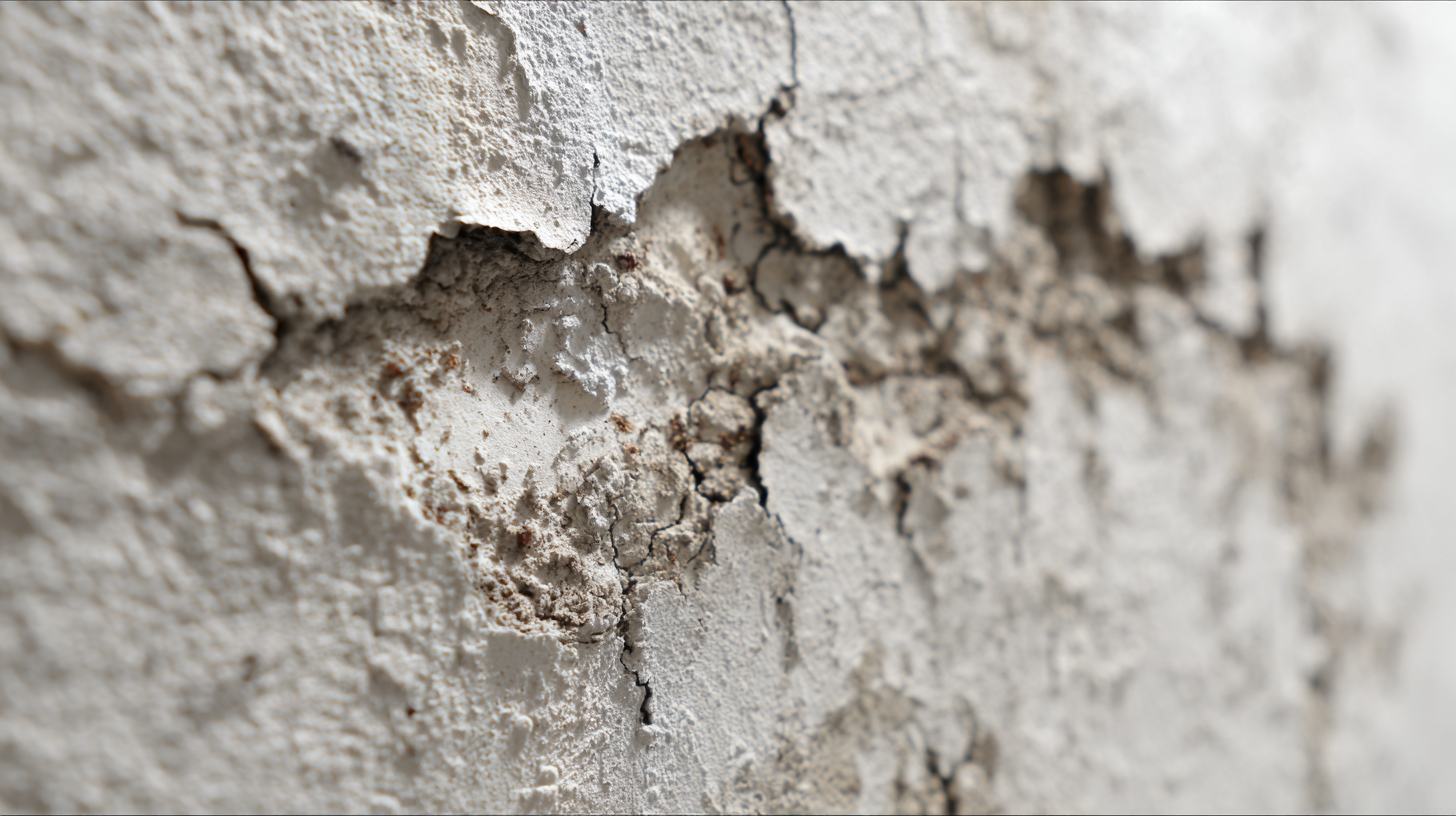
A crumbling foundation doesn’t always appear dramatic. In many cases, the issue begins as surface deterioration, and the early signs are subtle. Common signs include:
- Concrete that feels powdery or sandy when you run your hand across it
- Flaking or scaling, where small layers of concrete peel away
- Pitting or uneven texture along the surface
- Pieces that break off easily when touched
- Cracks that continue to widen or deepen over time
- A chalky white residue known as efflorescence, left behind by moisture
These symptoms indicate that the surface of the concrete is weakening. While some wear is normal in older homes, progressive crumbling or shedding concrete is a sign that the foundation may need repair.
Common causes of a crumbling foundation
Understanding why a foundation is deteriorating can help determine the right repair approach. Some of the most common causes include:
- Moisture exposure: Water can gradually break down concrete, especially if it is continually present.
- Freeze-thaw cycles: When water inside the concrete freezes and expands, it can cause the material to crack and weaken. Rhode Island’s winter conditions make this particularly common.
- Poor drainage: Water pooling near the foundation increases the risk of deterioration over time.
- Older concrete mixtures: Some aging foundations were built with mixes that degrade more easily.
- Compromised waterproofing: Over the years, protective barriers can wear away, allowing moisture in.
While the reasons behind the deterioration may vary, the outcome is similar: the foundation material becomes less stable, and without repair, the issue may progress.
Why a crumbling foundation matters
A crumbling foundation isn’t just a cosmetic issue—it can affect your home’s structural integrity. The foundation supports the structure of your home, and as concrete loses strength, the surrounding structure can eventually feel the effects. Over time, this can lead to:
- More pronounced cracking
- Uneven floors or settling
- Difficulty opening or closing doors and windows
- Stress on framing and load-bearing structures
The earlier deterioration is assessed, the more repair options are available. If you’re seeing multiple signs of foundation problems beyond just surface deterioration, a professional evaluation becomes even more important.
How to tell when it’s time to take action
Not every crack or chip requires immediate repair—but changes that continue to progress are worth paying attention to. It may be time to reach out for a professional evaluation if you notice:
- Crumbling that spreads or worsens over time
- Cracks that are growing longer, deeper, or wider
- Concrete that breaks apart with only light pressure
- Moisture or dampness that consistently returns to the same areas
- Deterioration occurring both inside and outside the foundation
The key indicator is whether the condition is changing. If what you’re seeing is new or worsening, the foundation likely needs attention.

What to do next
You don’t need to identify the cause or solution on your own. A foundation repair professional can evaluate the condition, determine what’s contributing to the deterioration, and outline the best next steps. For more detail on available foundation repair methods, professionals assess both what’s visible and what’s driving the damage.
Take these steps to move forward:
- Document what you see: Take photos and note where the crumbling is occurring. This helps track changes over time.
- Check for drainage concerns: Look for water pooling near the foundation or gutters that drain too close to the home.
- Schedule a professional evaluation: A trained professional can determine whether the deterioration is surface-level or part of a deeper structural issue.
You don’t need to have all the answers before you call. The evaluation process is designed to help you understand what’s happening and what your options are.
Address deterioration early
A crumbling foundation can feel worrying, but foundation issues are often repairable, especially when addressed early. Taking action now can help prevent additional damage and preserve your home’s structure.
If you’re noticing signs of deterioration and aren’t sure what to do next, Set in Stone can help. Our team provides clear, straightforward evaluations and guides you through your repair options. Reach out for a foundation evaluation whenever you’re ready.