Vertical foundation cracks are one of the most common patterns that appear in foundation concrete. They often develop as concrete cures or as a home settles naturally over time, which means they’re not always a cause for concern. In Rhode Island, where freeze-thaw cycles and coastal moisture can stress foundations, understanding what a vertical crack indicates is key to determining whether it simply needs monitoring or if a professional evaluation would be beneficial.
Below, we’ll cover what vertical foundation cracks usually mean and how to tell whether a crack is stable or changing. If you see a vertical crack in your foundation, you’ll be able to take the right next step with confidence.
How to identify a vertical foundation crack
A vertical crack runs straight up and down, or close to it. It may also appear slightly angled—typically within about 30 degrees of vertical. These cracks are most common in poured concrete basement foundation walls, and you’ll often see them near windows, corners, or other stress points.
Vertical cracks tend to be:
- Straight or slightly diagonal rather than jagged
- Consistent in width from top to bottom
- More common in newer foundations as concrete cures
Noticing the shape and direction helps you distinguish vertical cracks from horizontal or stair-step cracks, which can suggest different issues.
What vertical foundation cracks usually mean
Many vertical cracks result from normal shrinkage during concrete curing or from the natural settling of the home over time. As concrete dries, it naturally contracts, and the foundation adjusts to the soil beneath it. This can create narrow, straight cracks that are often cosmetic rather than structural. Understanding the difference between normal settling and foundation problems helps you assess whether a crack needs attention.
Common causes of vertical cracks include:
- Concrete curing shrinkage: New concrete can develop hairline cracks in the first few years.
- Natural settling: Homes shift slightly as soil compresses under the structure.
- Minor soil movement: Seasonal moisture changes can cause slight shifts in the foundation. In Rhode Island, this is especially common due to our clay-heavy soils that expand and contract with seasonal moisture changes.
When a vertical crack is not a concern
A vertical crack is often not a structural issue when:
- It is hairline (very thin)
- It stays the same size over time
- It is dry with no signs of moisture
- There are no nearby symptoms like sticky windows or uneven floors
These cracks can often be sealed to prevent moisture intrusion and keep the foundation protected.
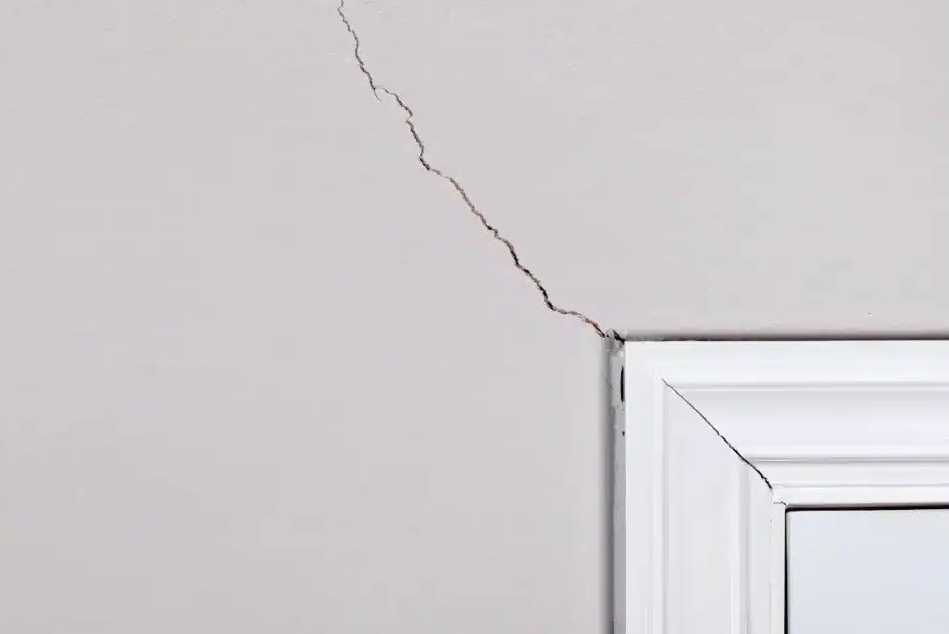
When a vertical crack needs professional attention
A vertical crack is more concerning if you notice any of the following:
- The crack is wider than 1/8 inch
- The crack is growing or lengthening over time
- There are water stains or seepage near the crack
- Doors or windows nearby stick or shift
- The crack appears alongside floor or wall movement
These signs may indicate ongoing foundation movement or potential structural concerns rather than ordinary settling. In some cases, untreated movement can lead to structural damage over time, so it’s important to have these cracks evaluated by a professional.
Quick comparison
| Condition | Likely Minor | Needs Evaluation |
| Width | Hairline or under 1/8″ | Wider than 1/8″ or expanding |
| Moisture | Dry and stable | Water seepage or dampness |
| Nearby symptoms | No changes indoors | Doors sticking or floors uneven |
| Behavior over time | Crack remains unchanged | Crack lengthens or widens |
How to monitor a vertical crack
If you’ve found a vertical crack that appears stable, monitoring it over time is the best way to determine whether it needs repair. Track changes by following these steps:
Measure the width: Use a ruler or crack gauge to measure the crack at its widest point. Write down the measurement and date.
Mark the endpoints: Using a pencil, mark the top and bottom of the crack directly on the wall. Include the date next to each mark so you can see if the crack lengthens over time.
Take photos: Photograph the crack with a ruler or coin placed next to it for scale. These dated photos create a visual record of any changes.
Check regularly: Inspect the crack monthly for the first three to six months. Look for changes in width, length, or moisture around the crack.
Keep a simple log: Note the date of each inspection and whether the crack has changed. If you see widening, lengthening, or new moisture, it’s time to call a professional.
Regular monitoring helps you catch developing problems early, while also giving you peace of mind if the crack remains stable over time.
Repair options for vertical foundation cracks
The right approach depends on whether the crack is stable or showing signs of movement. For a detailed look at all available foundation repair methods, professionals assess the crack’s cause, not just its appearance.
For small, stable cracks
- Epoxy or polyurethane crack injection can help seal the crack and prevent moisture entry.
- These repairs protect the foundation from moisture but don’t address underlying soil or drainage problems.
For cracks showing signs of movement or moisture
Professional foundation repair specialists may recommend solutions based on soil conditions, moisture patterns, and the foundation’s load-bearing structure. Understanding repair costs helps you plan appropriately:
- Structural epoxy injection to restore strength
- Polyurethane injection for sealing active leaks
- Drainage improvements to reduce soil pressure
- Foundation stabilization if settlement is ongoing
The right repair method depends on what caused the crack—not just what the crack looks like.
Preventing future cracking
To help reduce stress on your foundation:
- Ensure gutters and downspouts move water away from the home
- Keep grading sloped away from foundation walls
- Check crack width occasionally to monitor changes
- Address drainage issues early to prevent soil expansion and contraction
In Rhode Island’s climate, proper water management is especially important during our heavy spring rains and winter freeze-thaw cycles, which can accelerate foundation stress.

Protect your home with confidence
Vertical foundation cracks are common, and many are simply part of a home’s natural settling. Understanding what you’re seeing helps you decide whether the crack needs routine maintenance or a professional repair.
If you’ve noticed a vertical crack and want clarity about the best next step, Set in Stone is here to help. With decades of experience, we provide clear assessments and lasting repair solutions. Contact us today to schedule a free foundation inspection so you can move forward confidently, knowing your home is protected.