Small cracks or uneven doors leave many homeowners asking the same question: are these foundation problems or just normal settling? Comparing and contrasting foundation problems vs settling is important because, while some movement is perfectly normal as your home adjusts to the ground beneath it, certain warning signs indicate structural issues that need professional attention. Catching problems early can save you thousands in repair costs down the road. This is especially important in Rhode Island and throughout New England, where freeze-thaw cycles during winter can accelerate foundation movement and make seasonal monitoring critical.
This guide explains what normal settling looks like, what warning signs suggest foundation problems, and how to tell the difference so you can protect your home with confidence.
What is normal settling?
Every home settles over time as the soil beneath it compresses and moisture levels adjust. This process is especially common during the first few years after construction, but it can also occur gradually over decades.
Normal settling signs include:
- Hairline vertical cracks near doors, windows, or in drywall that do not expand
- Minor gaps between baseboards and flooring that don’t change over time
- Slightly sticking doors or windows that improve with humidity changes
Settling tends to be slow and consistent. Cracks that remain the same size, do not leak water, and appear vertically are often considered harmless. This type of movement reflects your home finding equilibrium with the surrounding soil.
What are signs of foundation problems?
Foundation problems occur when the ground beneath your home shifts unevenly or can no longer support the structure properly. This can happen for several reasons. Expansive clay soil, poor drainage, tree root growth, soil movement over time, and long-term water intrusion are common culprits.
Warning signs of foundation problems include:
- Horizontal or stair-step cracks in basement walls or exterior brick
- Cracks wider than 1/4 inch that continue to widen or are accompanied by water seepage
- Floors that slope or feel uneven underfoot
- Gaps between walls and ceilings or around windows
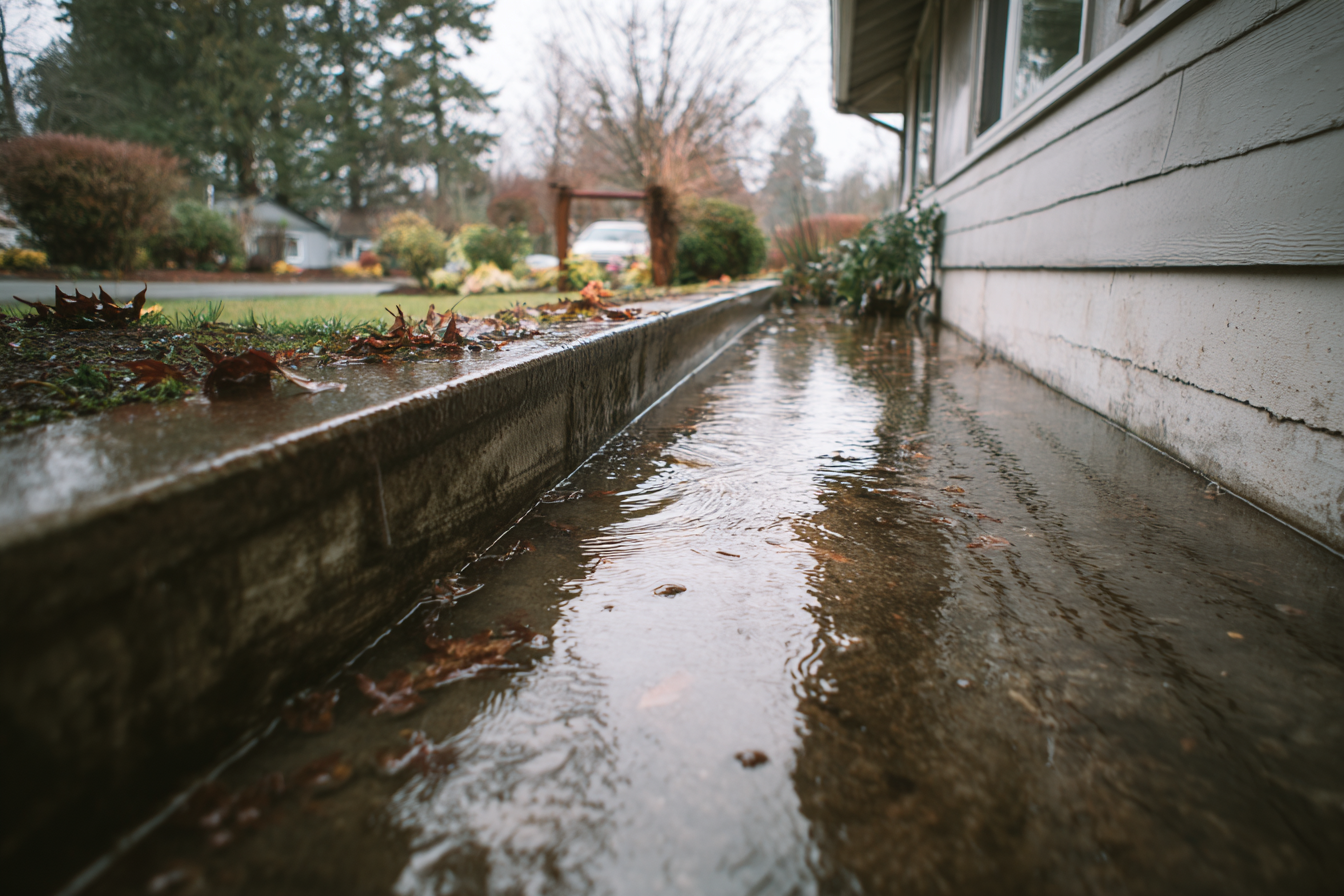
- Persistent water leaks or moisture near the foundation
When these symptoms appear, they may indicate deeper structural problems with your foundation’s integrity. Acting early can prevent further damage and reduce repair costs.
Foundation problems vs settling: How to tell the difference
Distinguishing between harmless settling and structural foundation issues often comes down to location, direction, and progression.
- Location: Cracks in drywall or plaster are often cosmetic, while cracks in concrete foundations or basement walls deserve closer attention.
- Direction: Vertical cracks usually result from natural settling, but horizontal or diagonal cracks can indicate pressure from shifting soil.
- Progression: Normal settling cracks remain stable, but foundation-related cracks widen, leak, or change shape over time.
If you’re unsure, keep a record of changes. Mark cracks with a pencil and note the date, or take photos every few months. If you notice widening, water seepage, or new cracking in different areas, it’s time to call a professional for an evaluation.

What to do if you suspect a foundation problem
If you think your home’s movement might go beyond normal settling, here are a few practical steps to take:
- Inspect the exterior for drainage issues or downspouts that empty too close to your foundation
- Check for standing water or soil erosion near your home’s base
- Avoid quick cosmetic fixes like caulking cracks without addressing the root cause
- Schedule a professional foundation inspection to assess whether repairs are necessary
Catching issues early helps preserve your home’s safety and value while avoiding larger structural repairs later. If you’re concerned about foundation repair costs, getting a professional assessment sooner rather than later typically results in lower expenses.
How to prevent future foundation issues
Preventative maintenance keeps your foundation stable and reduces the risk of structural damage.
- Maintain proper grading so water flows away from your home
- Keep gutters clean and ensure downspouts discharge several feet from the foundation
- Manage trees and large shrubs near the home to reduce root pressure and moisture changes
- In dry climates, water the soil evenly around your home to prevent excessive shrinking
- Consider a sump pump or drainage system if your area is prone to heavy rainfall
A consistent foundation maintenance routine reduces risk and extends the lifespan of your foundation. For a comprehensive look at how foundations work and common issues in Rhode Island, check out our complete foundation guide.
Protect your home with confidence
Many homewoners are confused when they see something that looks wrong with their foundation, and understanding the difference between foundation problems vs settling is an important knowledge base. Some settling is perfectly normal, and noticing a few small cracks doesn’t automatically mean there’s a problem. The key is paying attention to changes over time. Stable, vertical cracks are usually harmless, while widening, horizontal, or leaking cracks may signal structural stress that needs attention.
If you’re unsure whether you’re dealing with normal settling or foundation problems, it’s always best to get a professional opinion. If you’re in the Rhode Island area, Set in Stone’s foundation experts can provide a foundation inspection and help you understand exactly what your home needs to stay strong and stable. Contact us today to schedule your inspection.