A strong foundation keeps your home sturdy, level, and structurally sound. But over time, soil movement, moisture changes, and natural settling can place stress on that foundation. When issues are caught early, repairs are more manageable and less expensive. The key is knowing what to look for and understanding the signs of foundation problems.
This guide explains the most common signs of foundation issues so homeowners can recognize changes and take action before they become major structural concerns. For a comprehensive overview of foundation types and how they fail, see our guide to concrete foundations in Rhode Island.
It’s also important to note that not every symptom automatically means there’s a serious foundation failure. Some signs can be related to humidity, seasonal soil changes, or normal settling over time. The goal is to help you notice patterns and understand when it’s worth getting a professional opinion.
Cracks in walls, ceilings, or floors
Some small hairline cracks are normal as a home settles. However, certain cracks can indicate deeper foundation movement:
- Cracks that widen over time
- Stair-step cracks in brick or masonry
- Horizontal cracks along foundation walls
- Interior drywall cracks that run from the corners of windows or doors
Horizontal or widening cracks often suggest shifting pressure on the foundation rather than normal settling. These kinds of cracks in walls or masonry are worth monitoring closely.
How to check:
- Take a photo and re-check every few weeks
- Place a small piece of tape across the crack and see if it separates
If cracks in the foundation seem to grow or multiply, it may be a sign of ongoing structural movement worth evaluating.
Doors and windows that stick or don’t close properly
When a foundation shifts, it can subtly change the angles and alignment of a home’s framing. This often shows up around openings first, because doors and windows need precise alignment to function smoothly.
Signs to notice:
- Interior doors rubbing at the top or bottom
- Gaps around window frames
- Bedroom or bathroom doors that won’t stay closed
- Sliding doors that suddenly become difficult to open
These changes may come and go slightly with humidity, but if the issue continues, the underlying cause could be structural movement below.
When alignment issues appear together with other changes like new cracks or sloping floors, it’s best to get a foundation inspection.

Uneven or sloping floors
Floors should feel level and supportive underfoot. When floors begin to slope, sag, or feel uneven, it may indicate that the foundation is shifting or that support beams below the home are being affected.
What to look for:
- Floors sloping in one direction
- Bouncy or springy areas
- Gaps between flooring and baseboards
How to check:
- Place a ball on the floor to see if it rolls consistently
- Use a small level in several areas of the room
- Notice if furniture no longer sits flat
Even subtle changes in floor level can signal that pressure on the foundation is shifting over time, especially in older homes.
If you notice a consistent slope or bounce that doesn’t return to normal with weather changes, it could point to foundation settling that needs attention.
Gaps between walls, ceilings, or exterior components
A foundation that’s settling unevenly can pull building components apart. Gaps may appear gradually and can be easy to miss until they become more obvious.
What to look for:
- Separation between walls and ceilings
- Gaps around crown molding or trim
- Space forming between exterior brick and window/door frames
- A chimney that appears to lean slightly away from the house
How to check:
- Take periodic photos to compare over time
- Run a thin piece of paper along the gap to track widening
- Check alignment of trim pieces at corners
Expanding gaps or visible separation in more than one area usually means sections of the foundation are moving unevenly—worth documenting and evaluating soon.
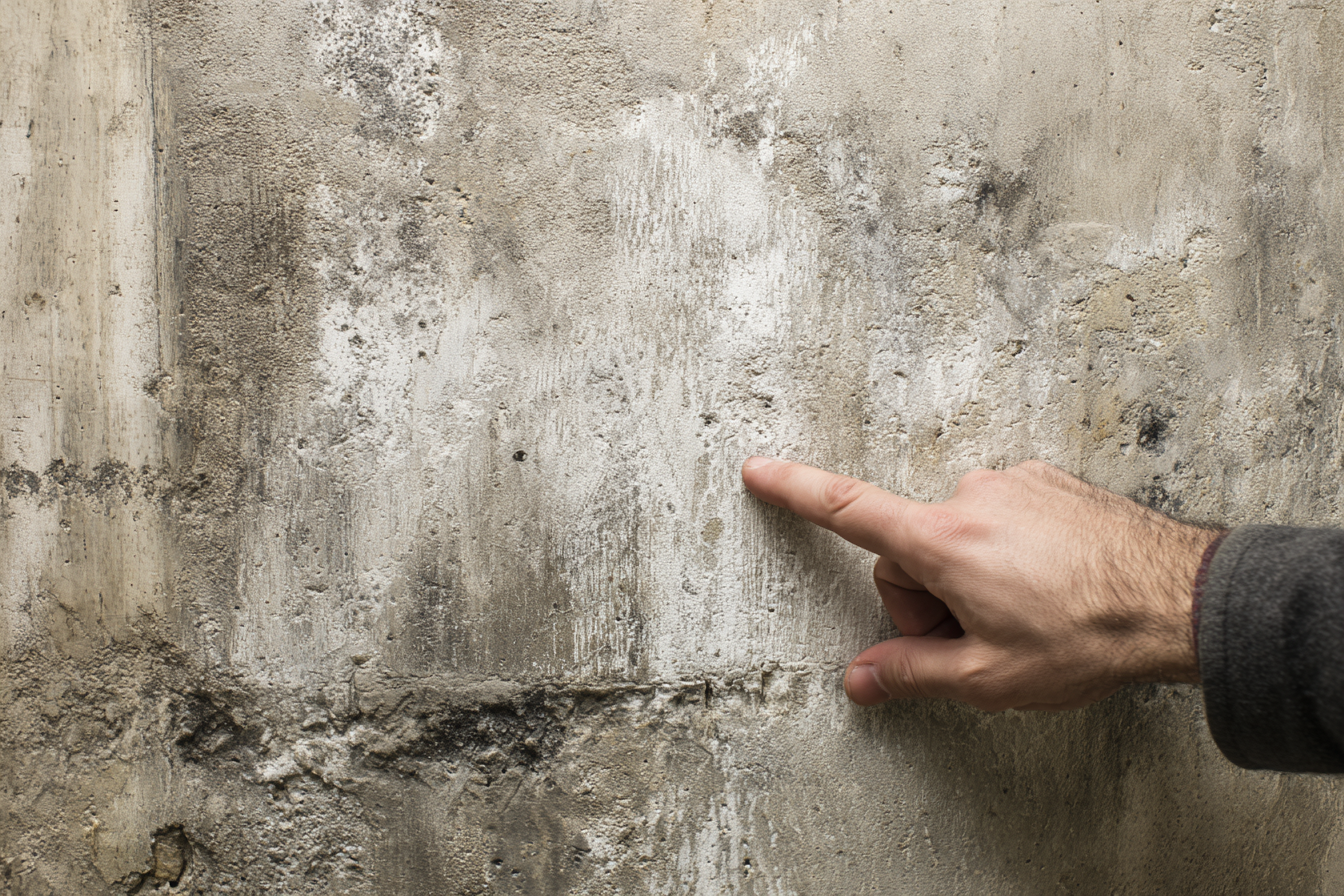
Moisture, water intrusion, or mold near the foundation
Foundation problems and moisture often go hand in hand. Water pressure from poor drainage, expansive soils, or heavy rainfall can place stress on foundation walls.
Warning signs to watch for:
- Damp or musty basement smells
- Mold growth on lower walls or floors
- Standing water near the home after rain
- Efflorescence (a white, powdery residue) on basement walls
How to check:
- Inspect gutters and downspouts to ensure water is directed away from the house
- Check for pooling water near the exterior foundation after storms
- Look for discoloration or peeling paint at the base of walls
Fixing drainage or moisture problems promptly can protect both your foundation and indoor environment from bigger issues down the road.
Why it’s important to take these signs seriously
Most foundation problems don’t fix themselves. When a foundation is shifting or settling unevenly, those changes usually continue over time. Small signs—like cracks, sticking doors, or uneven floors—can be early indicators of movement.
That doesn’t mean every crack or sticky window is a major issue. Homes naturally respond to weather, humidity, and seasonal soil changes. The key is to pay attention to whether the signs stay the same or get worse.
Catching foundation concerns early usually means simpler and more affordable repairs, often avoiding larger foundation repair costs down the road. Addressing issues before they progress also helps prevent structural damage that can be more complex to correct. Waiting can allow stress, moisture, or soil movement to continue, which may lead to more noticeable damage.
If you’re unsure, it’s always okay to get a professional opinion—sometimes the reassurance alone is worth it. In some cases, a structural engineer may be recommended to confirm whether movement is minor or part of a larger structural issue. Watching for patterns, documenting changes, and addressing concerns early on will help you stay ahead of costly foundation repairs.
Recognize the signs of foundation problems for peace of mind
If you’ve noticed any of these signs — or you’re just not sure what you’re seeing — reaching out for clarity is a completely reasonable next step. You don’t have to solve or diagnose the issue on your own. A simple, professional look can help you understand whether what you’re noticing is normal settling, seasonal change, or something that would benefit from early repair.
Set in Stone has decades of experience working with homes across Rhode Island and southern Massachusetts as a trusted foundation repair specialist. We understand how local soil, weather, and moisture conditions affect foundations, and we offer clear, straightforward guidance without pressure. Schedule your foundation evaluation to move forward with confidence.