Cracks in a home’s foundation can be unsettling, but not every crack is cause for alarm. Some are harmless signs of natural settling, while others may signal a deeper structural issue that affects your home’s overall stability. A small hairline crack in an Arizona home might simply reflect dry, shrinking soil, while a similar crack in a New England basement could point to water intrusion or the toll of years of freezing temperatures. Understanding the differences between these types of foundation cracks (and knowing when to take action) can help you protect your home’s structural integrity.
What causes foundation cracks
Foundation cracks can develop for a variety of reasons, from harmless natural shifts to serious foundation problems. Where you live plays a major role in how and why they form.
Common, non-serious causes
- Concrete curing: As concrete dries and hardens, it naturally shrinks, often leading to small vertical hairline cracks. These are typically non-structural cracks and don’t impact your foundation’s integrity.
- Normal foundation settlement: Most homes experience slight movement in the first few years after construction, which can result in minor surface cracks.
- Seasonal changes: Expansion and contraction from temperature shifts can cause thin surface cracks, especially in areas with wide seasonal variation.
More serious causes
- Water pressure or poor drainage: Hydrostatic pressure from saturated soil can push against foundation walls, causing bowing or horizontal cracks. This is especially common in regions with heavy rainfall or poor soil drainage.
- Expansive or clay-rich soil: In the Midwest and South, clay-rich soils expand when wet and shrink when dry. This creates movement under the foundation that leads to cracking.
- Tree roots: Large roots can absorb moisture from the soil or exert pressure as they grow, contributing to soil pressure against foundation walls.
- Climate and natural disasters: Freeze-thaw cycles in cold climates and drought conditions in arid regions both strain the foundation. Earthquakes or flooding can also trigger sudden foundation settlement or structural cracks.
Whether you live near the coast, in a humid valley, or in a dry desert climate, your environment affects how your foundation behaves. Knowing what’s typical for your region makes it easier to distinguish harmless cracks from warning signs of foundation damage.

When foundation cracks are normal
Not every foundation crack requires repair. Some are simply cosmetic and develop from harmless settling or temperature changes.
- Hairline vertical cracks: Typically less than 1/8 inch wide and common in poured concrete foundations.
- Shrinkage cracks in floors or walls: Appear soon after construction and do not widen over time.
- Stable, unchanged cracks: If a crack hasn’t expanded, leaked, or caused drywall cracks after several months, it’s likely not a structural issue.
Tip: Mark the ends of a crack with a pencil or date it to track changes over time. Cracks that stay the same size are usually harmless.
When foundation cracks mean trouble
Some cracks indicate active movement, water seepage, or structural issues that can compromise your foundation’s integrity. A professional foundation contractor should always evaluate these.
- Horizontal cracks: Often caused by soil or hydrostatic pressure and may lead to bowing walls or major structural damage.
- Diagonal or stair-step cracks: Suggest uneven foundation settlement, common in homes built on sloping terrain or with mixed soil conditions.
- Cracks wider than 1/4 inch: Larger gaps can indicate significant movement or stress.
- Water seepage or mold growth: Moisture or mold around cracks points to water intrusion or poor drainage.
- Doors and windows sticking: A sign that your foundation may be shifting, causing framing misalignment.
Even small cracks can worsen if underlying conditions aren’t addressed. Early crack repairs can prevent more costly foundation repair work in the future.
What to do if you’re unsure
If you’re uncertain about what kind of crack you’re seeing, the best approach is to document it and watch for changes.
- Take photos every few months to monitor growth or water infiltration.
- Note whether cracks widen, leak, or appear in new areas of drywall or flooring.
- If movement continues or moisture appears, it’s time to schedule a professional foundation inspection.
How to prevent future cracks
While you can’t stop every crack from forming, proper maintenance helps reduce the risk of foundation problems and keeps your structure sound.
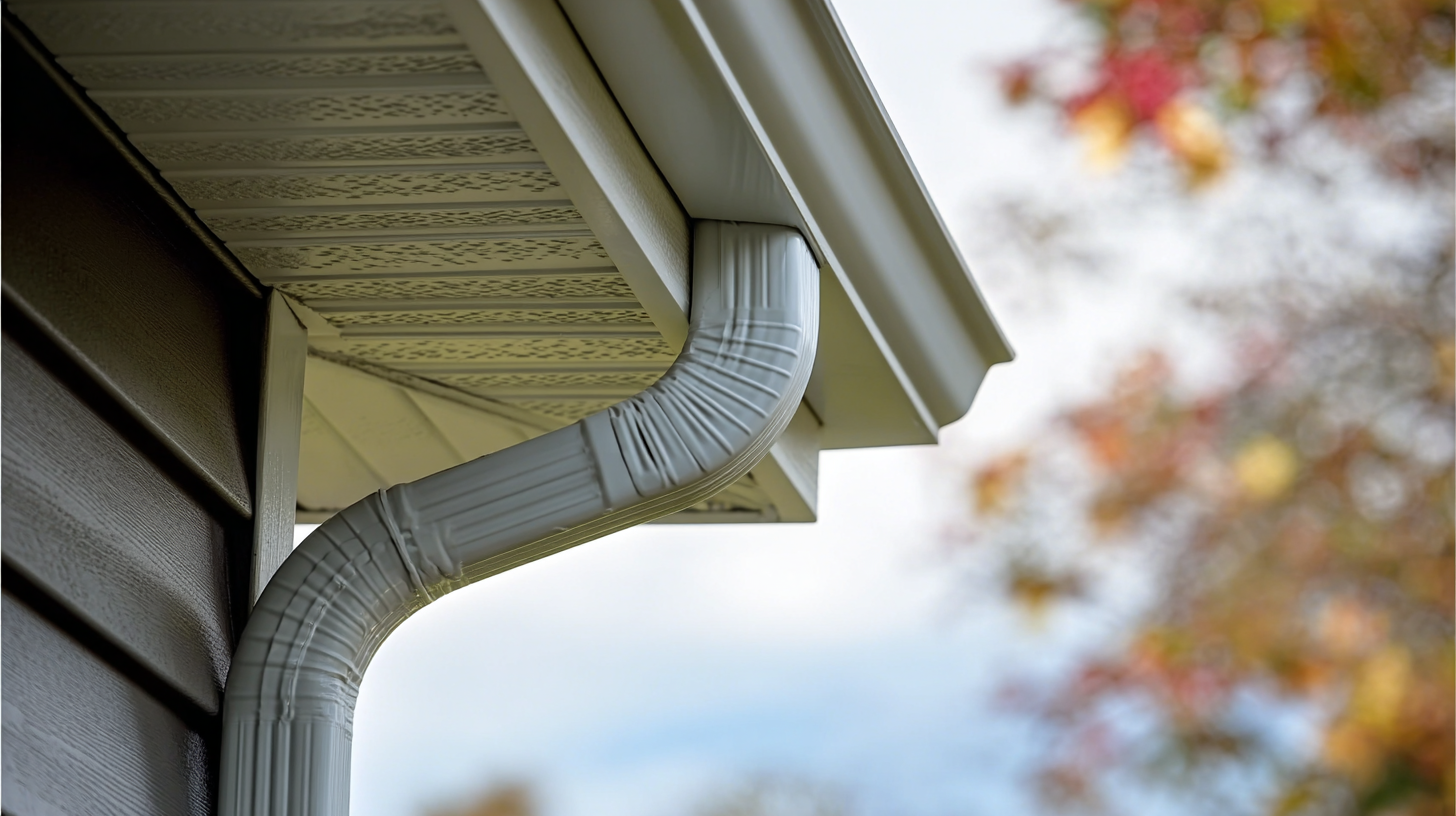
- Keep gutters clean and direct downspouts away from your home.
- Maintain proper grading so water flows away from your foundation.
- Consider a sump pump or french drain if you experience frequent water buildup.
- Avoid planting large trees too close to the house to minimize soil pressure and root damage.
- Inspect for leaks, pooling water, or signs of water intrusion after heavy rain.
Preventative maintenance helps maintain stability and minimizes costly repairs down the road.
Protect your home and your peace of mind
Foundation cracks can be confusing, but understanding which ones to watch and which to fix helps you take confident action. Minor cracks often resolve with time and monitoring, while widening, horizontal, or leaking cracks should be addressed right away. If you’re unsure whether your foundation cracks are normal or worth worrying about, it’s always wise to contact a professional. Set in Stone’s foundation specialists can help you evaluate your foundation, recommend the right repair plan, and provide professional foundation repair services across Rhode Island. Contact us today to schedule a foundation inspection and protect your home for years to come.