Introduction: Why Your Foundation Matters
Your home’s foundation is more than just concrete below your feet—it’s the structure that keeps everything else stable, dry, and secure. A strong foundation protects your home from shifting soil, moisture damage, and uneven settling. When it weakens, even small cracks or shifts can ripple through the entire house, leading to warped floors, stuck doors, or water intrusion.
For Rhode Island homeowners, these risks are amplified by the region’s conditions—clay‑rich soil, coastal humidity, and freeze‑thaw cycles that repeatedly stress the ground beneath our homes. Understanding how your foundation performs in these environments can prevent minor issues from turning into major repairs.
This guide walks you through everything you need to know about concrete foundations in Rhode Island: how they work, the different types, the common problems homeowners face, and the most effective ways to maintain and repair them. Whether your home rests on an older stone foundation or a modern concrete slab, you’ll learn how to recognize early signs of trouble and protect your home for decades to come.
Types of Concrete Foundations
While all foundations share the same purpose—supporting your home—the way they’re built can vary widely. In Rhode Island, the type of foundation often depends on when the home was constructed, local soil conditions, and the property’s proximity to the coast. Knowing which type you have helps you maintain it properly and identify potential issues before they worsen.
Poured concrete slab foundations
Poured concrete slabs are common in newer Rhode Island homes. They’re created by pouring concrete directly onto a gravel base, forming a single, level surface that supports the home. These foundations are durable, energy-efficient, and resistant to pests. However, they can limit access to plumbing or electrical systems and are vulnerable to water issues if drainage isn’t handled correctly.
In coastal areas, slabs are sometimes raised slightly to reduce flood risk. Keeping gutters clear and ensuring proper grading around your home can prevent moisture from pooling near the foundation.
Concrete block foundations
Many mid-century Rhode Island homes feature concrete block foundations made of stacked masonry units sealed with mortar. They’re sturdy and easier to repair than solid slabs, but over time, mortar can deteriorate, and blocks may allow moisture to seep through.
If you see horizontal cracks or gaps between blocks, it may indicate soil pressure or drainage problems. Addressing these issues early helps prevent water intrusion and structural stress.
Stone foundations
Stone foundations are a defining feature of older New England homes, particularly in Providence, Bristol, and Newport. Built from fieldstone and lime mortar, they’re both functional and full of character—but they require maintenance. As mortar ages, it can crumble or separate, allowing moisture to enter.
Watch for signs like shifting stones, crumbling mortar, or white powdery residue (efflorescence). These indicate that repointing—the process of replacing deteriorated mortar—may be necessary to maintain stability. Professional masonry repair can restore mortar joints and prevent further deterioration of historic stone foundations.
Crawl space foundations
Crawl spaces raise the home slightly above the ground, allowing access to plumbing and wiring. They’re especially useful in coastal or flood-prone parts of Rhode Island but can be prone to humidity and mold if not managed properly.
Good ventilation is key. Homeowners should open vents in summer, close them in winter, and use vapor barriers or insulation to prevent condensation and heat loss.
Quick comparison of foundation types
| Foundation Type | Typical Era | Main Advantages | Common Problems |
| Poured Concrete Slab | Modern builds | Durable, low maintenance | Drainage issues, limited access |
| Concrete Block | Mid‑20th century | Easier repairs | Mortar cracking, seepage |
| Stone | 1800s–early 1900s | Historic character | Moisture, structural shifting |
| Crawl Space | Mixed | Access to utilities | Humidity, insulation needs |
A brief history of foundation construction in New England
Foundation design in New England reflects centuries of adaptation to the region’s climate and resources. Early settlers relied on fieldstone for its strength and availability. In the early 1900s, concrete block became popular as a more affordable and uniform option. By the mid-20th century, poured concrete slabs emerged as the preferred choice for their strength, efficiency, and ability to meet modern building standards.
Today, many Rhode Island homes combine elements of these styles, especially where older properties have been renovated or expanded. Modern building codes emphasize drainage, waterproofing, and insulation—lessons learned from generations of homebuilding in New England’s demanding weather.
Key takeaway: Understanding your foundation type gives you the confidence to spot problems early and make informed maintenance decisions. Whether your home rests on fieldstone, block, or concrete, each foundation reflects Rhode Island’s history—and knowing how yours works is the first step to protecting it.
How concrete foundations work
A home’s concrete foundation might look like a solid slab, but it’s actually a carefully designed system that distributes weight, resists movement, and protects the structure from moisture. Understanding how it works helps homeowners recognize why quality construction—and proper maintenance—matter so much.
Weight distribution in concrete foundations
A concrete foundation’s first job is to spread the weight of the home evenly across the soil. Without even load distribution, parts of the house could sink or shift over time. Think of it like snowshoes on soft snow—spreading the weight keeps the home stable and prevents pressure from concentrating in one spot.
How it works:
- Distributes the home’s weight evenly across the soil.
- Adjusts to different soil conditions—like clay, sand, or mixed textures—without letting the structure tilt or settle unevenly.
- Keeps the home level through seasonal changes, especially during freeze-thaw cycles.
Footings: The foundation’s hidden support system
Footings are the unsung heroes of a strong concrete foundation. They’re wider sections of concrete poured beneath the foundation walls or slab that act as anchors, spreading the home’s weight deeper into the ground where the soil is more stable.
Why footings matter:
- Prevent uneven settling: By extending below the frost line, footings help avoid movement caused by freezing and thawing ground.
- Distribute stress: They carry the weight of load-bearing walls, chimneys, and columns, ensuring no single area is overloaded.
- Add long-term stability: Properly installed footings protect against cracks and structural shifts over time.
What this means for you: If your home was built before the 1980s, your footings might be shallower than today’s standards—something to be aware of during inspections or renovations.
Keeping your foundation dry
Even the strongest concrete foundation can weaken without proper moisture control. Concrete is porous, meaning moisture can seep through over time. Proper drainage and waterproofing prevent water from collecting around the base of your home, reducing the risk of leaks, cracks, and mold growth.
In Rhode Island, this is especially important due to the state’s frequent spring rains, high humidity, and occasional coastal flooding. Homes near Narragansett Bay or low-lying areas often experience saturated soil after storms, which can increase hydrostatic pressure against the foundation. Inland homeowners aren’t immune either—poor grading or compacted clay can trap runoff and direct it toward basement walls.
Good drainage involves:
- Grading: The soil should slope away from your home so water naturally flows outward.
- Gutters and downspouts: Direct rainwater several feet away from the foundation.
- Footing or French drains: Common in homes with high groundwater to carry moisture away before it builds pressure.
Waterproofing solutions include:
- Exterior membranes or coatings that keep moisture out.
- Interior drain tiles or sump pumps for homes in wetter or flood-prone areas.
Why proper concrete foundation construction matters
Even with good drainage, construction quality ultimately determines how well your foundation performs over time. A well-built concrete foundation isn’t just about structural integrity—it’s about peace of mind. Cutting corners during construction can lead to long-term issues like uneven floors, cracked walls, or persistent moisture problems. These issues don’t just affect the foundation; they can compromise the entire home.
What happens when corners are cut:
- Poorly compacted soil can lead to settling and cracks.
- Inadequate waterproofing results in leaks and mold.
- Missing or shallow footings increase the risk of structural movement.
Look for:
- Cracks running along basement walls
- Uneven floors or gaps under trim
- Persistent dampness after rain
When foundations are designed and built with care—accounting for soil conditions, drainage, and proper materials—they can last for generations. Homeowners who understand these basics are better equipped to spot potential problems and ensure any repairs or new builds meet the right standards.
Key takeaway: A concrete foundation works as a system, balancing weight, stability, and moisture control. When designed and maintained properly, it keeps your home strong, dry, and secure for decades.
Next: We’ll explore what happens when these systems are stressed—from soil movement to moisture damage—and how to recognize the early warning signs before they worsen.
Common foundation problems and warning signs
Rhode Island’s mix of clay-heavy inland soil, sandy coastal ground, and fluctuating moisture levels can make foundations particularly vulnerable to cracking, shifting, and water intrusion. Older homes, especially those built before modern building codes, may show these warning signs sooner. Below are some of the most common foundation issues Rhode Island homeowners encounter—and what to look for.
A solid foundation should keep your home stable, level, and dry—but over time, soil movement, moisture, and natural settling can all take a toll. Knowing what to look for helps you spot early warning signs before they turn into major structural repairs.
Understanding normal settling vs. foundation problems
All homes settle to some degree, especially in the first 1-2 years after construction. Small hairline cracks and minor cosmetic issues are often just a house “finding its footing” as the soil compacts and materials cure. This is normal settling.
However, progressive changes—cracks that widen over time, multiple new cracks appearing, or seasonal patterns of movement—may indicate foundation stress rather than normal settlement. The key difference is whether the issue is stable or worsening.
Normal settling typically involves:
- Hairline cracks (less than 1/16 inch wide) that don’t change
- Minor cosmetic cracks in drywall near door frames
- Small cracks that appear once and stabilize
Foundation problems show:
- Cracks that widen over months or years
- Multiple cracks appearing in different locations
- Seasonal patterns (cracks opening in summer, closing in winter)
- Cracks accompanied by other symptoms like sticking doors or uneven floors
If you’re uncertain whether settling is normal, documenting changes with photos and measurements helps track progression over time.
Cracks: What’s normal and what’s not
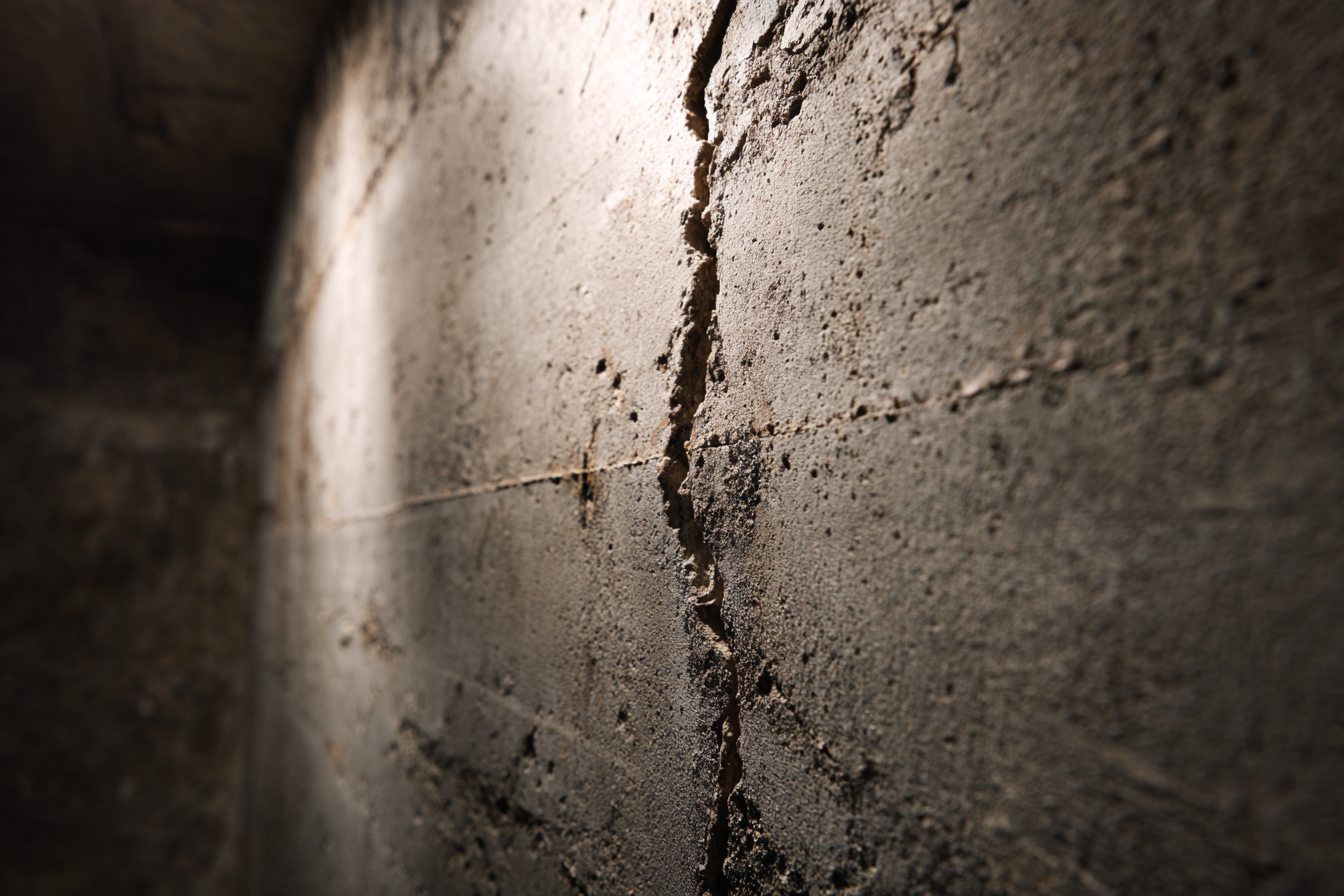
Cracks are one of the most common signs homeowners notice, but not all cracks mean trouble. Hairline cracks in walls or floors often appear as concrete cures or as the home naturally settles. However, wider cracks, uneven gaps, or patterns that change over time may signal deeper structural issues.
In Rhode Island’s older homes—particularly those with fieldstone or early concrete block foundations—cracks often form as decades of freeze-thaw cycles stress the mortar and concrete. These may start small but can worsen quickly with fluctuating temperatures and soil moisture.
Types of cracks and what they mean:
- Vertical cracks: Usually caused by natural settling; small ones are common and often not serious.
- Horizontal cracks: Can indicate pressure from expanding soil or hydrostatic water buildup—these require professional evaluation.
- Diagonal cracks: May suggest differential settling, where one part of the foundation shifts more than another.
If you can slide a coin or your fingertip into a crack, it’s worth getting checked out. Consistent widening or water seepage through cracks is a red flag that shouldn’t be ignored. Professional foundation repair can evaluate whether cracks are cosmetic or structural and recommend the best course of action.
Bowing or bulging walls
When foundation walls begin to curve inward or outward, it’s typically a sign that surrounding soil or water pressure is pushing against them. This problem is more common in basements or homes built on clay-heavy soil, which expands when wet and contracts when dry.
In Rhode Island, this issue often shows up in older basements constructed with fieldstone or early concrete block. Repeated cycles of soil expansion and contraction, combined with seasonal rainfall, can slowly push against aging mortar joints, leading to bulging walls.
What to look for:
- Walls that appear slightly curved or uneven when viewed from the side
- Cracks forming in stair-step patterns along block walls
- Gaps opening at the top of basement walls or between walls and floors
These signs can indicate structural stress and should be inspected promptly. Early foundation repair can stabilize walls before damage progresses.
Water intrusion and moisture issues
Water is one of the biggest threats to a foundation’s integrity. Even small leaks can lead to major damage if left unchecked. In Rhode Island’s humid climate and high water table, damp basements and water seepage are common concerns—especially in coastal towns where flooding or storm runoff can saturate the ground quickly.
Watch for:
- Pooled water or damp spots on basement floors
- Efflorescence (white, powdery residue) on walls
- Musty odors or mold growth
- Peeling paint or rust near the base of walls
Improper grading, clogged gutters, or failed waterproofing are often to blame. Basement waterproofing prevents moisture from compromising structural integrity and protects against long-term foundation damage.
Settling, shifting, and uneven floors
All homes settle to some degree, but uneven floors, cracked tiles, or doors and windows that no longer close properly can indicate that part of the foundation is moving.
Homes near Rhode Island’s coastline—especially in areas with sandy or loose fill soil—may experience more shifting after prolonged rain or seasonal flooding. Inland homes built on dense clay may instead see movement when the ground expands or contracts with changes in moisture.
Common causes include:
- Soil shrinkage or expansion from moisture changes
- Poorly compacted fill beneath the foundation
- Tree roots drawing moisture from surrounding soil
Signs of foundation movement:
- Floors that slope or feel uneven underfoot
- Cracks appearing near door frames or corners of windows
- Doors that stick or fail to latch properly
These issues can develop slowly, so it’s important to note changes over time. Marking and monitoring cracks can help track movement and determine if it’s worsening.
When small issues signal bigger problems
Sometimes, the smallest signs—like tiny wall cracks or a door that drags—can hint at a deeper problem beneath the surface. The key is pattern and persistence: when multiple symptoms appear together, it’s often a sign that the foundation is under stress.
Call a professional if you notice:
- Several cracks widening at once
- Water entering through multiple areas
- A combination of bowing walls and uneven floors
Addressing problems early usually means simpler, less expensive repairs. Ignoring them can lead to larger structural failures over time.
Key takeaway: Most foundation issues start small. Learning to recognize early warning signs—cracks, moisture, uneven settling—can save Rhode Island homeowners significant time, stress, and money down the line.
What causes foundation damage
Foundations rarely fail overnight. Most problems develop slowly as environmental and structural factors work together over time. Understanding the root causes of foundation damage helps homeowners identify and prevent issues before they become serious. In Rhode Island, climate, soil composition, and aging housing stock all play a role.
Soil movement and expansion
One of the biggest culprits behind foundation stress is soil movement—especially in areas with clay-heavy or poorly drained soil. Clay expands when wet and contracts when dry, exerting pressure on foundation walls as it shifts. In parts of Rhode Island where clay content is high—like inland regions around Coventry and North Smithfield—seasonal moisture changes can cause repeated cycles of expansion and contraction.
How this affects your home:
- Expanding soil pushes against basement walls, leading to bowing or cracking.
- Shrinking soil leaves gaps beneath the foundation, causing uneven settling.
- Repeated cycles weaken mortar joints in older block or stone foundations.
Poor drainage and water damage
Water that isn’t directed away from the home is another major cause of foundation damage. When rainwater or snowmelt collects near the base of the house, it increases hydrostatic pressure—forcing moisture through small cracks and weakening the structure over time.
Common sources of drainage problems:
- Clogged or disconnected gutters and downspouts
- Improper grading that allows water to pool near the foundation
- Failed sump pumps or footing drains in older Rhode Island basements
Poor drainage is especially concerning in Rhode Island’s wetter months and coastal areas, where heavy rains and rising groundwater can saturate soil quickly.
Freeze-thaw cycles and seasonal stress
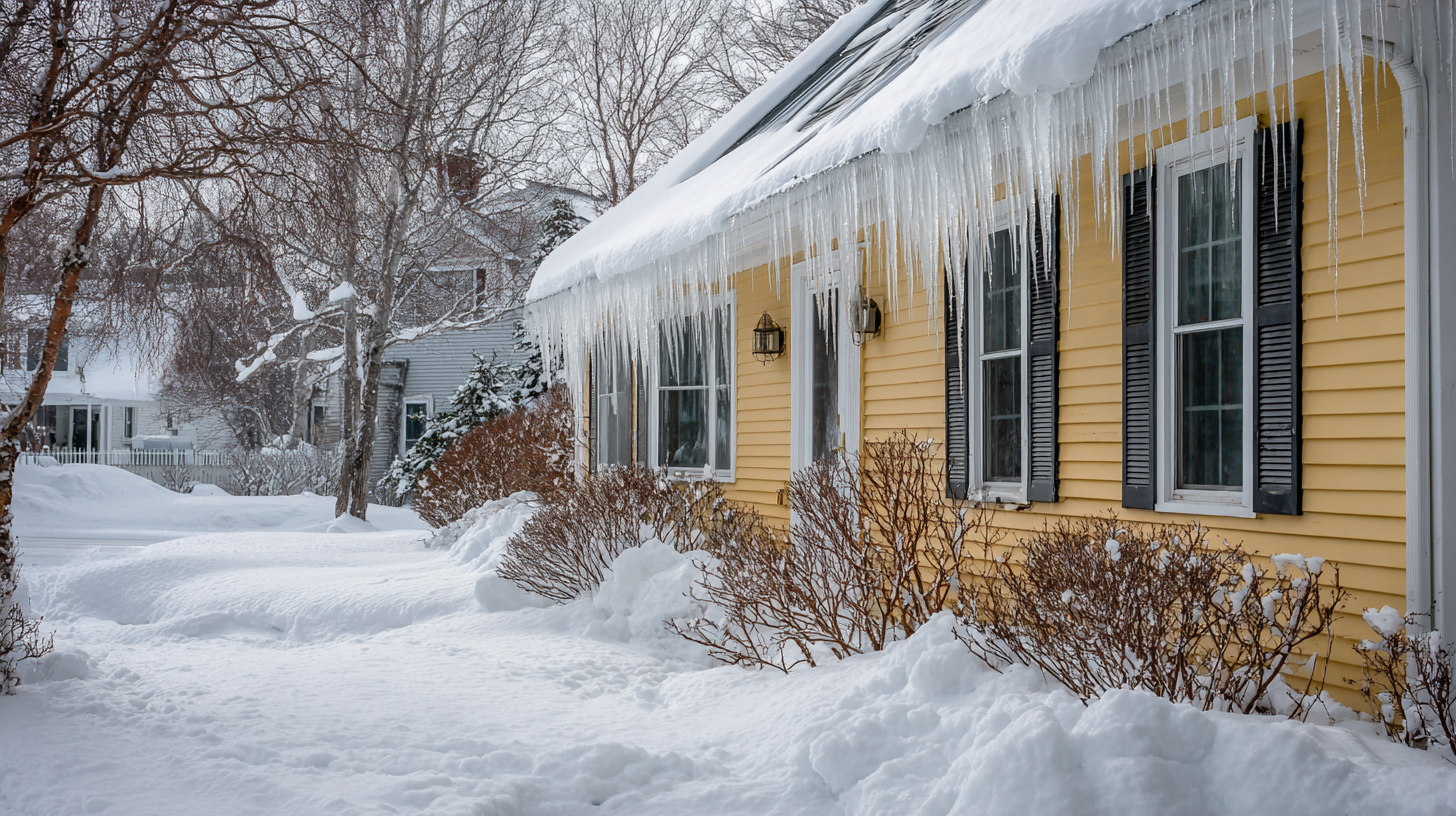
Rhode Island’s changing seasons present unique challenges for concrete foundations. During winter, moisture in the soil freezes and expands, pushing against concrete and mortar. When it thaws, the ground contracts, leaving small voids and cracks behind. Over decades, these freeze-thaw cycles can cause shifting, cracking, or surface spalling (flaking) in concrete.
Coastal homes, particularly those near Narragansett Bay or Aquidneck Island, face added stress from salt air and humidity, which can accelerate metal corrosion and surface wear.
What this means for you: If you notice new cracks each spring or find winter frost making basement walls feel damp, those are signs your foundation is reacting to seasonal ground shifts common in Rhode Island’s climate.
Tree roots and vegetation
Trees add beauty and shade, but their roots can quietly undermine foundations. As roots seek moisture, they displace soil and draw water away from the ground surrounding the home. This causes uneven soil moisture levels—drying some areas while oversaturating others.
Warning signs of root-related issues:
- Cracks appearing near corners or exterior walls closest to trees
- Uneven soil or depressions along one side of the home
- Roots visible near the foundation or emerging through cracks
Planting large trees (like oaks or maples) too close to a foundation is a common mistake in older Rhode Island neighborhoods with mature landscaping.
Poor initial construction
Even the best soil and drainage can’t save a foundation that was built incorrectly. Inadequate footings, low-quality concrete, or improper compaction during construction all shorten a foundation’s lifespan.
Older homes built before modern codes—especially pre-1950s stone or block foundations—often lack consistent footing depth or reinforcement. Over time, these structural shortcomings reveal themselves as cracks, leaks, or uneven floors.
Age and natural wear
Finally, time plays a role in every foundation’s story. Concrete, mortar, and waterproofing materials all degrade gradually. Rhode Island’s older homes, some more than a century old, are particularly vulnerable to this natural wear. As materials weaken, they allow moisture intrusion and settlement to accelerate.
Routine inspection and timely repairs are the best defenses against age-related damage.
Key takeaway: Foundation damage rarely stems from a single cause. In Rhode Island, it’s often a combination of shifting clay soils, heavy rainfall, freeze-thaw stress, and decades of natural wear. Recognizing how these forces interact helps homeowners spot risks early and protect their property for the long term.
Foundation repair methods explained
Even the most durable foundations can develop problems over time. The good news is that modern foundation repair methods can restore stability and prevent further damage—often without full replacement. Understanding what each option does and when it’s appropriate helps homeowners across Rhode Island make confident, informed decisions about their foundation.
Crack injection and sealing
Cracks in basement walls or slabs are among the most common repair needs. Epoxy or polyurethane crack injection fills gaps in concrete to prevent water intrusion and restore strength.
- Epoxy injection is best for structural cracks that need reinforcement, bonding tightly to the concrete to restore its original strength.
- Polyurethane injection works well for sealing active leaks or fine hairline cracks, expanding within the gap to form a watertight, flexible seal.
These repair techniques are frequently used in Rhode Island homes—especially in places like Cranston and Pawtucket—where freeze‑thaw cycles and humidity cause recurring cracks in walls or slabs.
Wall stabilization and anchoring
When foundation walls begin to bow or lean inward, wall anchors and carbon fiber stabilization systems can halt further movement.
- Wall anchors use interior and exterior steel plates connected by tension rods that gradually pull bowed walls back into alignment.
- Carbon fiber straps reinforce walls from the inside, providing a low‑profile solution without the need for excavation.
Homes throughout Providence and Bristol Counties—particularly older ones with block or fieldstone basements—often benefit from these stabilization systems where soil pressure is persistent. In some cases, structural damage may require additional masonry reinforcement.
Underpinning and piering
If part of the foundation starts to sink or shift, contractors may recommend underpinning with steel push piers or helical piers to stabilize the structure. These deep supports transfer the home’s load to stronger soil layers far below the surface.
Underpinning is typically used when:
- Homes are built on soft or poorly compacted soil.
- Cracks and sloping floors indicate uneven settlement.
- Remodeling or additions place new weight on the structure.
This method is especially beneficial in coastal areas like Middletown or Narragansett, where sandy soils make surface foundations vulnerable to shifting over time.
Waterproofing solutions
Because moisture is one of the biggest threats to any structure, basement waterproofing systems protect concrete from long‑term deterioration.
Common methods include:
- Exterior membranes applied to foundation walls to block groundwater.
- Interior drain tile systems that channel seepage toward a sump pump.
- Sump pumps themselves, which remove collected water during heavy rain or spring melt.
Homes near Rhode Island’s coastlines or high‑water areas often rely on a combination of these waterproofing approaches for maximum protection. Spring rains and coastal flooding events common in Rhode Island can quickly overwhelm basements without proper drainage.
When repair vs. replacement makes sense
Not all foundation problems require a full rebuild. Localized repairs—such as crack injections, wall stabilization, or drainage improvements—often resolve performance issues in specific areas. Replacement is usually reserved for cases involving widespread structural failure or deteriorated materials.
Professional inspections can determine whether repair or reconstruction is most effective. In many older Rhode Island homes, combining targeted foundation repair with improved waterproofing offers decades of renewed stability.
Key takeaway: Every repair method serves a distinct purpose. Whether it’s crack injection, wall anchoring, or foundation waterproofing, understanding how these solutions work helps homeowners make informed, confident decisions about protecting their homes for the long term.

Maintaining your foundation
Keeping your foundation in good shape doesn’t require constant work—it’s about consistent, simple maintenance that prevents costly repairs later. For Rhode Island homeowners, where the climate brings heavy spring rains, humid summers, and freezing winters, proactive upkeep goes a long way in protecting your home’s stability.
Proper grading and drainage to protect your foundation
The ground around your home should slope gently away from the foundation so rainwater drains outward instead of pooling near the walls. Aim for about a 6‑inch drop over the first 10 feet of soil. In Rhode Island’s wet spring months, improper grading is one of the leading causes of basement leaks and soil erosion.
Tips for better grading:
- Fill in low spots where water tends to collect.
- Use topsoil and grass seed to reinforce bare areas.
- Check grading after winter frost, as soil can shift and settle unevenly.
What this means for you: If you notice puddles lingering near your foundation after rain, it’s a sign the slope may need adjusting before the next wet season.
Gutter and downspout maintenance for healthy foundations
Clean, functional gutters are one of the simplest ways to prevent foundation damage. Clogged gutters allow rainwater to overflow and run directly down foundation walls. Extend downspouts at least 4–6 feet from the home to keep runoff away from the base.
Maintenance checklist:
- Clean gutters twice a year—especially after fall leaf drop.
- Check for leaks or loose joints before spring rainstorms.
- Add splash blocks or flexible extensions to direct water further out.
Monitoring your foundation for early warning signs
Regular inspections help you catch foundation issues before they worsen. Take a few minutes each season to walk around your home and look for visible changes.
What to check:
- Spring: Look for new cracks after freeze‑thaw cycles or heavy rainfall.
- Summer: Monitor for moisture buildup in basements during humid weather.
- Fall: Clear leaves and debris from drainage areas. Inspect concrete steps and walkways for settling or damage—professional concrete step repair can address problems before winter freeze-thaw cycles make them worse.
- Winter: Watch for frost heave near concrete steps, patios, or walkways.
Keep a simple log or photo record of cracks and other changes so you can track progression over time. Early detection allows for smaller, less invasive repairs.
Seasonal considerations in Rhode Island
Rhode Island’s coastal and inland regions face different foundation challenges throughout the year. Coastal homes in towns like Narragansett or Portsmouth may experience high groundwater or salt exposure, while inland properties deal more with soil expansion and freeze‑thaw stress.
How to prepare seasonally:
- Winter: Seal small cracks before freezing temperatures arrive.
- Spring: Ensure sump pumps and drains are working properly before seasonal rains.
- Summer: Improve ventilation in basements to prevent humidity buildup.
- Fall: Regrade soil if needed and clear gutters to prepare for winter precipitation.
Simple preventive measures homeowners can take
You don’t need specialized tools or professional experience to protect your foundation. A few simple steps can make a lasting difference:
- Maintain consistent moisture levels around your foundation—avoid letting soil become too dry or oversaturated.
- Keep trees and shrubs at least 10 feet from the house to prevent root intrusion.
- Inspect and reseal basement windows or entry points every few years.
Key takeaway: Consistent, small maintenance tasks—like keeping gutters clean and soil properly graded—can prevent the most common foundation problems. Rhode Island’s weather can be unpredictable, but proactive care helps keep your home stable, dry, and secure year‑round.

When to call a professional
Even the most diligent homeowner can miss subtle signs of foundation stress. Knowing when to handle an issue yourself—and when to call in an expert—helps protect both your home and your peace of mind.
DIY inspection vs. professional assessment
A simple self-check every few months can catch early warning signs before they worsen. Look for small cracks, uneven floors, or doors that stick. However, if you notice recurring water intrusion, widening cracks, or bowing walls, it’s time for a professional foundation inspection.
When to call a professional:
- Cracks are wider than 1/8 inch or spreading.
- Floors slope noticeably or doors won’t close properly.
- You see water seepage after storms or snowmelt.
- Your home shows signs of foundation movement or settling.
A foundation professional can use precision tools—like laser levels or moisture meters—to measure shifts, determine causes, and recommend targeted solutions.
What foundation inspections involve
Professional inspections go beyond visual checks. They typically include:
- A structural review of foundation walls, floors, and load-bearing areas.
- Moisture and drainage testing to identify water pressure issues.
- Soil evaluation to understand expansion, contraction, or erosion risks.
- Detailed repair recommendations and cost estimates.
Inspectors also consider local conditions like coastal flooding potential, high groundwater, and frost depth—all of which influence foundation health in Rhode Island’s varied landscape.
Questions to ask a foundation contractor
Before hiring a contractor, it’s important to understand their qualifications and process. Asking the right questions can help you choose a trustworthy partner for your home:
Ask about:
- Licensing and insurance specific to Rhode Island.
- Experience with your foundation type (stone, block, or poured concrete).
- Warranties on workmanship and materials.
- Timeline and disruption expectations for the repair.
Red flags to watch for when hiring
Unfortunately, not all contractors operate with the same level of integrity. Watch out for these warning signs:
- High-pressure sales tactics or scare language.
- Refusal to provide references or written estimates.
- Lack of clarity about repair methods or materials used.
- No local office or verifiable business presence in Rhode Island.
Working with an established local company helps ensure the work meets both state codes and the region’s unique environmental demands.
Ready for peace of mind?
If you’re concerned about your foundation, don’t wait for small cracks to become structural failures. With over 30 years of experience in masonry, stamped concrete, and foundation repair, Set In Stone combines craftsmanship with technical precision to keep Rhode Island homes stable and secure.
Schedule your foundation inspection today, or explore our foundation repair services, basement waterproofing solutions, and masonry repair to see how we can help protect your home for decades to come.