Signs your foundation is crumbling (and what to do next)

If you’ve noticed concrete that feels powdery when touched, small pieces flaking away from walls, or cracks that seem to slowly deepen, it’s understandable to feel concerned. Your home’s foundation plays a central role in supporting the structure above it, and seeing the signs of crumbling foundation can feel unsettling.

Deterioration often begins subtly and becomes more noticeable over time. In Rhode Island, where freeze-thaw cycles and moisture exposure are especially hard on concrete, understanding what foundation deterioration looks like can help you know when to take action before the problem progresses.

What a crumbling foundation actually looks like

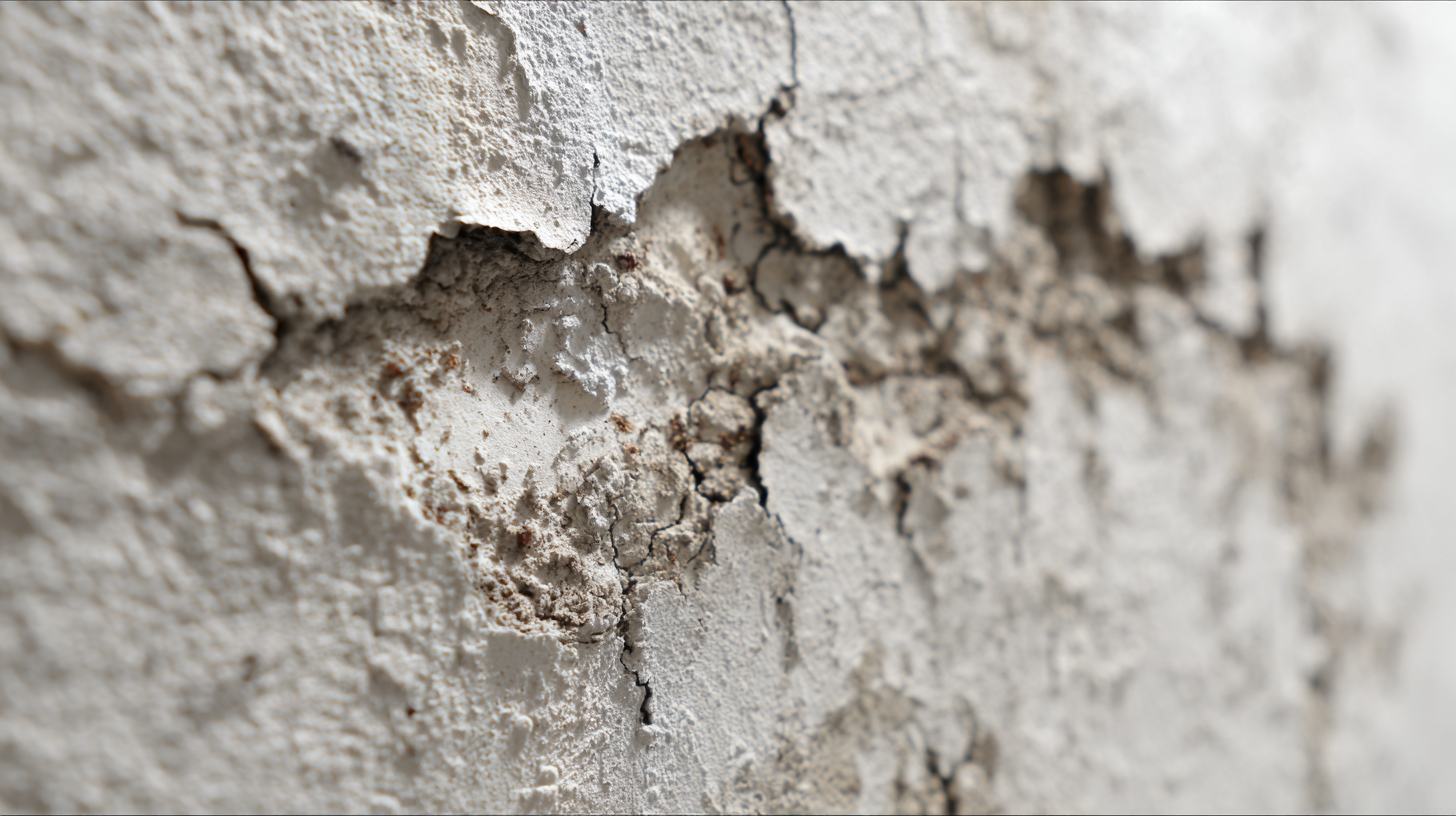
A crumbling foundation doesn’t always appear dramatic. In many cases, the issue begins as surface deterioration, and the early signs are subtle. Common signs include:

  • Concrete that feels powdery or sandy when you run your hand across it
  • Flaking or scaling, where small layers of concrete peel away
  • Pitting or uneven texture along the surface
  • Pieces that break off easily when touched
  • Cracks that continue to widen or deepen over time
  • A chalky white residue known as efflorescence, left behind by moisture

These symptoms indicate that the surface of the concrete is weakening. While some wear is normal in older homes, progressive crumbling or shedding concrete is a sign that the foundation may need repair.

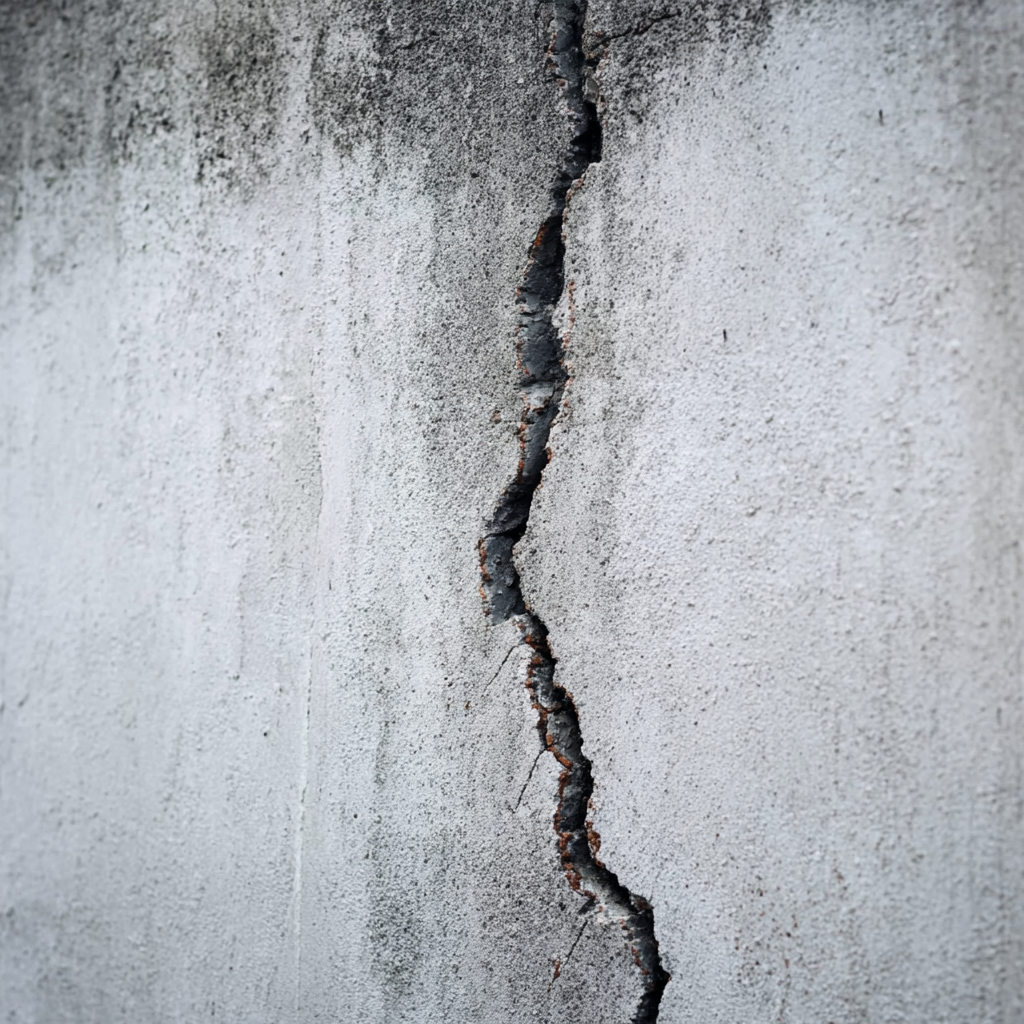
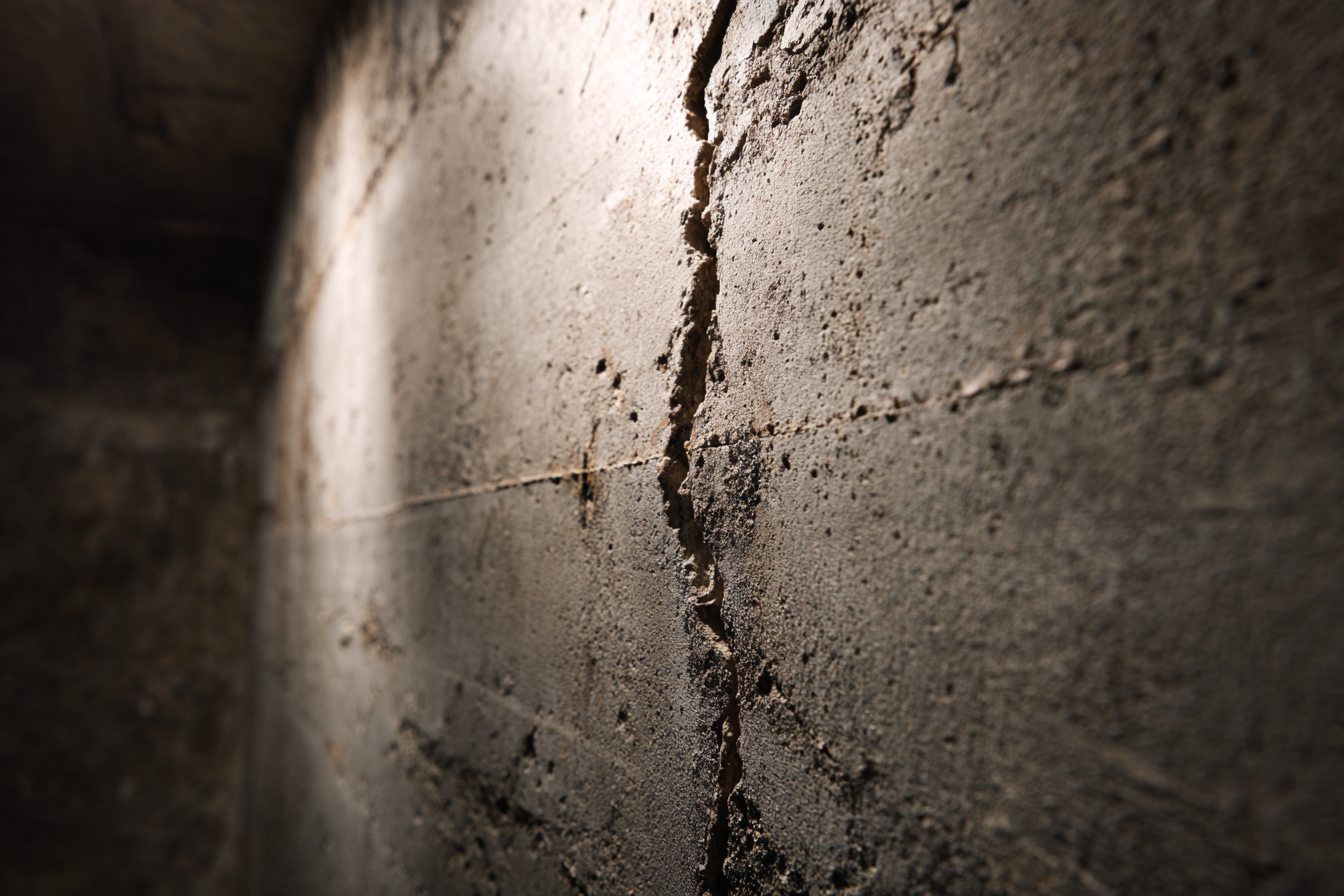
Close-up of crumbling foundation showing concrete spalling and surface deterioration, clear signs of crumbling foundation problems

Common causes of a crumbling foundation

Understanding why a foundation is deteriorating can help determine the right repair approach. Some of the most common causes include:

  • Moisture exposure: Water can gradually break down concrete, especially if it is continually present.
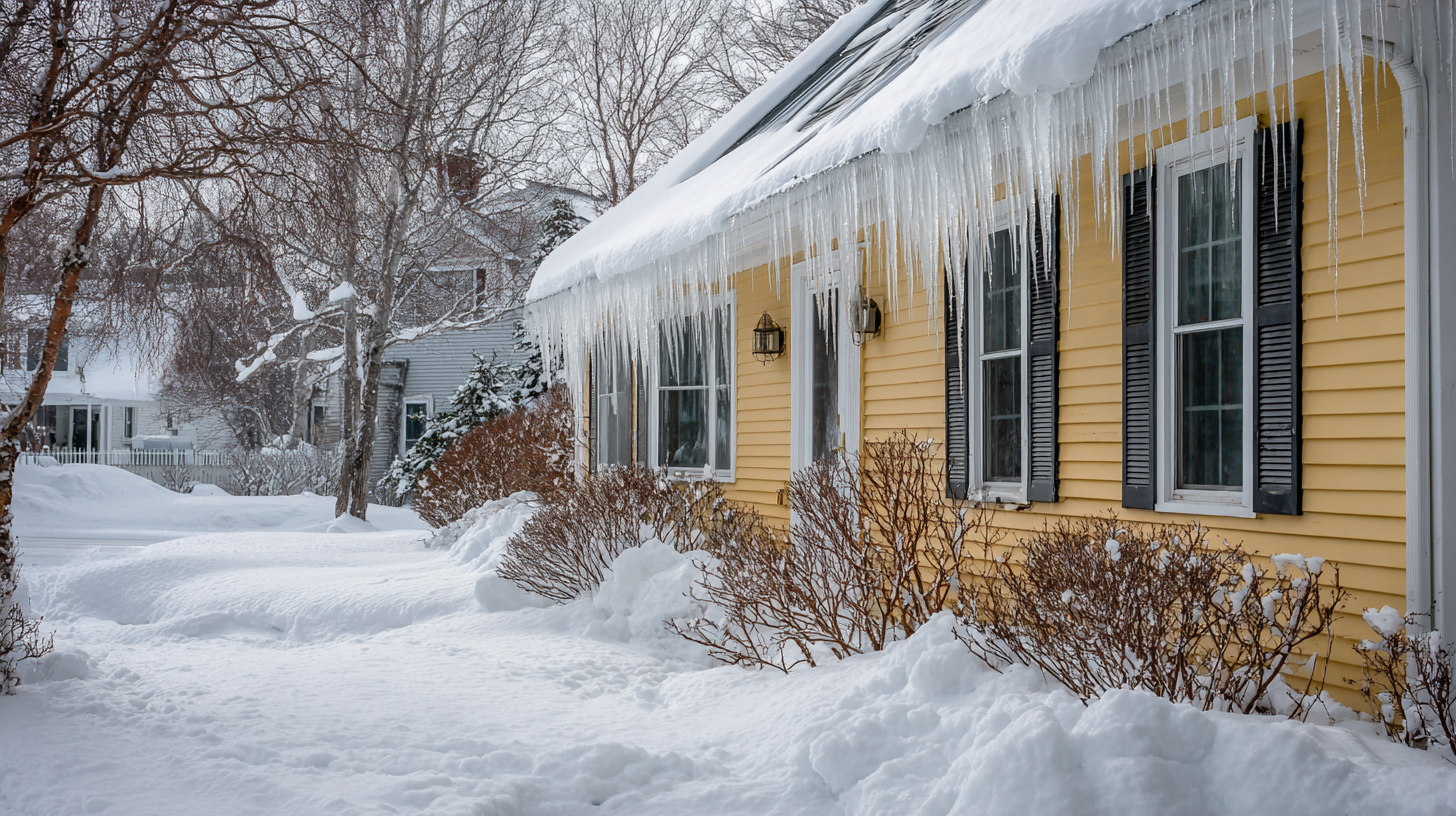
  • Freeze-thaw cycles: When water inside the concrete freezes and expands, it can cause the material to crack and weaken. Rhode Island’s winter conditions make this particularly common.
  • Poor drainage: Water pooling near the foundation increases the risk of deterioration over time.
  • Older concrete mixtures: Some aging foundations were built with mixes that degrade more easily.
  • Compromised waterproofing: Over the years, protective barriers can wear away, allowing moisture in.

While the reasons behind the deterioration may vary, the outcome is similar: the foundation material becomes less stable, and without repair, the issue may progress.

Why a crumbling foundation matters

A crumbling foundation isn’t just a cosmetic issue—it can affect your home’s structural integrity. The foundation supports the structure of your home, and as concrete loses strength, the surrounding structure can eventually feel the effects. Over time, this can lead to:

  • More pronounced cracking
  • Uneven floors or settling
  • Difficulty opening or closing doors and windows
  • Stress on framing and load-bearing structures

The earlier deterioration is assessed, the more repair options are available. If you’re seeing multiple signs of foundation problems beyond just surface deterioration, a professional evaluation becomes even more important.

How to tell when it’s time to take action

Not every crack or chip requires immediate repair—but changes that continue to progress are worth paying attention to. It may be time to reach out for a professional evaluation if you notice:

  • Crumbling that spreads or worsens over time
  • Cracks that are growing longer, deeper, or wider
  • Concrete that breaks apart with only light pressure
  • Moisture or dampness that consistently returns to the same areas
  • Deterioration occurring both inside and outside the foundation

The key indicator is whether the condition is changing. If what you’re seeing is new or worsening, the foundation likely needs attention.

Professional foundation inspector documenting concrete deterioration on Rhode Island basement wall

What to do next

You don’t need to identify the cause or solution on your own. A foundation repair professional can evaluate the condition, determine what’s contributing to the deterioration, and outline the best next steps. For more detail on available foundation repair methods, professionals assess both what’s visible and what’s driving the damage.

Take these steps to move forward:

  1. Document what you see: Take photos and note where the crumbling is occurring. This helps track changes over time.
  2. Check for drainage concerns: Look for water pooling near the foundation or gutters that drain too close to the home.
  3. Schedule a professional evaluation: A trained professional can determine whether the deterioration is surface-level or part of a deeper structural issue.

You don’t need to have all the answers before you call. The evaluation process is designed to help you understand what’s happening and what your options are.

Address deterioration early

A crumbling foundation can feel worrying, but foundation issues are often repairable, especially when addressed early. Taking action now can help prevent additional damage and preserve your home’s structure.

If you’re noticing signs of deterioration and aren’t sure what to do next, Set in Stone can help. Our team provides clear, straightforward evaluations and guides you through your repair options. Reach out for a foundation evaluation whenever you’re ready.

Foundation lifting and leveling: What homeowners should know

If you’ve noticed floors that slope slightly, doors that don’t close the way they used to, or cracks that seem to grow a little over time, you may be dealing with foundation settlement. These changes can happen gradually, and it’s common for homeowners to wonder whether they’re due to normal aging or warning signs of something more serious. In Rhode Island, where seasonal moisture changes and freeze-thaw cycles stress foundations, settlement issues are particularly common.

When you start exploring possible causes or speaking with an inspector, you may hear terms like foundation lifting and foundation leveling. While they might sound technical, understanding how your foundation works helps make these repair methods easier to grasp. Foundation lifting is a repair method used to raise and stabilize areas of the foundation that have sunk, helping bring your home back to a level position.


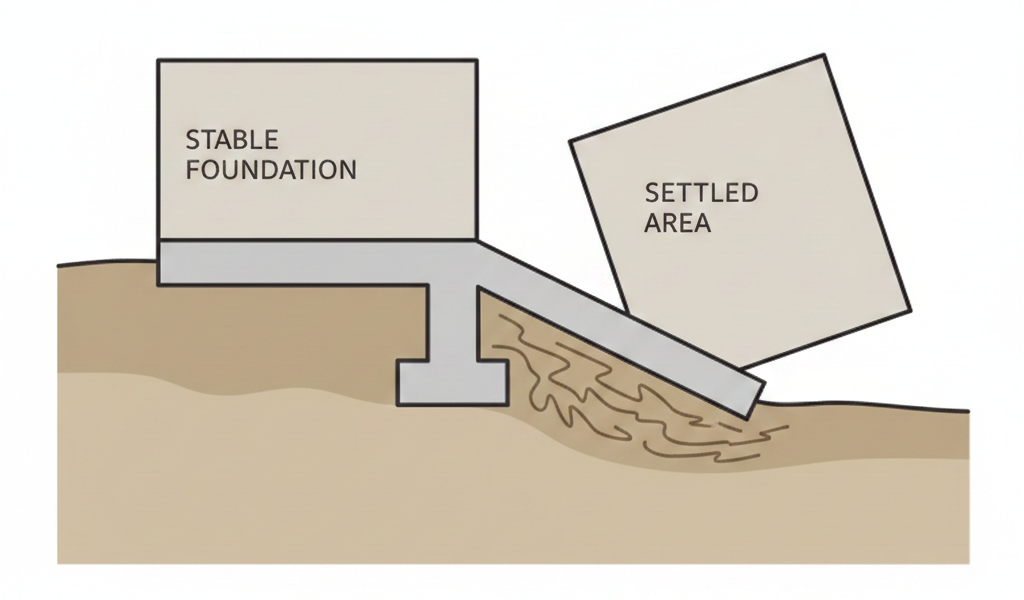
Diagram showing foundation settlement with one corner sinking lower due to soil compression

What foundation lifting and leveling actually means

When part of a foundation settles lower than the rest of the structure, the home above it can begin to shift. Floors may tilt, gaps may form around trim, and cracks can develop as the building adjusts to the uneven support.

Foundation lifting is the controlled process of gently raising the sunken section of the foundation back toward its original position, helping restore the home’s structural integrity. Leveling refers to restoring an even, balanced support so the home sits as it was intended.

Picture your home like a table. If one leg sinks into softer ground, the entire surface becomes uneven. Lifting and leveling is like returning that one leg to the correct height so everything above it sits straight again.

This is not a sudden or aggressive motion. The lifting process is slow and precise, ensuring that the home adjusts safely and evenly.

Why foundations settle over time

Foundation settlement is common and develops gradually. Homes of nearly any age can experience it. Some of the most frequent causes include:

  • Soil shifting or compression under the foundation
  • Changes in moisture (dry periods, heavy rain, drainage issues)
  • Soil that was not compacted fully during original construction
  • Tree roots affecting soil density over time
  • Natural aging of the home and its materials

In regions with seasonal temperature shifts, soil expands and contracts throughout the year. Over time, these changes can lead to settling and uneven support. Rhode Island’s mix of clay-heavy soils and freeze-thaw cycles makes this seasonal movement especially pronounced, which is why foundation settlement is so common in the state. Understanding when settlement is normal versus when it signals a foundation problem helps you know when to take action.

While the cause behind each home’s settlement may vary, the outcome is usually the same: one section of the foundation gradually lowers, and the structure adjusts along with it.

How to tell if your home may need lifting

Not every crack or uneven surface means foundation lifting is required. However, a pattern of changes over time can indicate settlement. Common signs include:

  • Floors that slope, feel uneven, or appear to dip in certain areas
  • Doors or windows that stick, rub, or no longer latch properly
  • Cracks in interior walls, especially those that slowly widen
  • Gaps forming where walls meet ceilings or where trim pulls away
  • Cracks in brick, stone, or concrete along the exterior
  • One part of the home appearing lower than the rest

If you’ve noticed several of these signs of foundation problems together, it may be time to have the foundation evaluated.

Only a trained foundation repair professional can determine whether lifting is the right solution. Many factors influence the best repair approach, and the evaluation process is designed to identify the most stable, long-term fix.

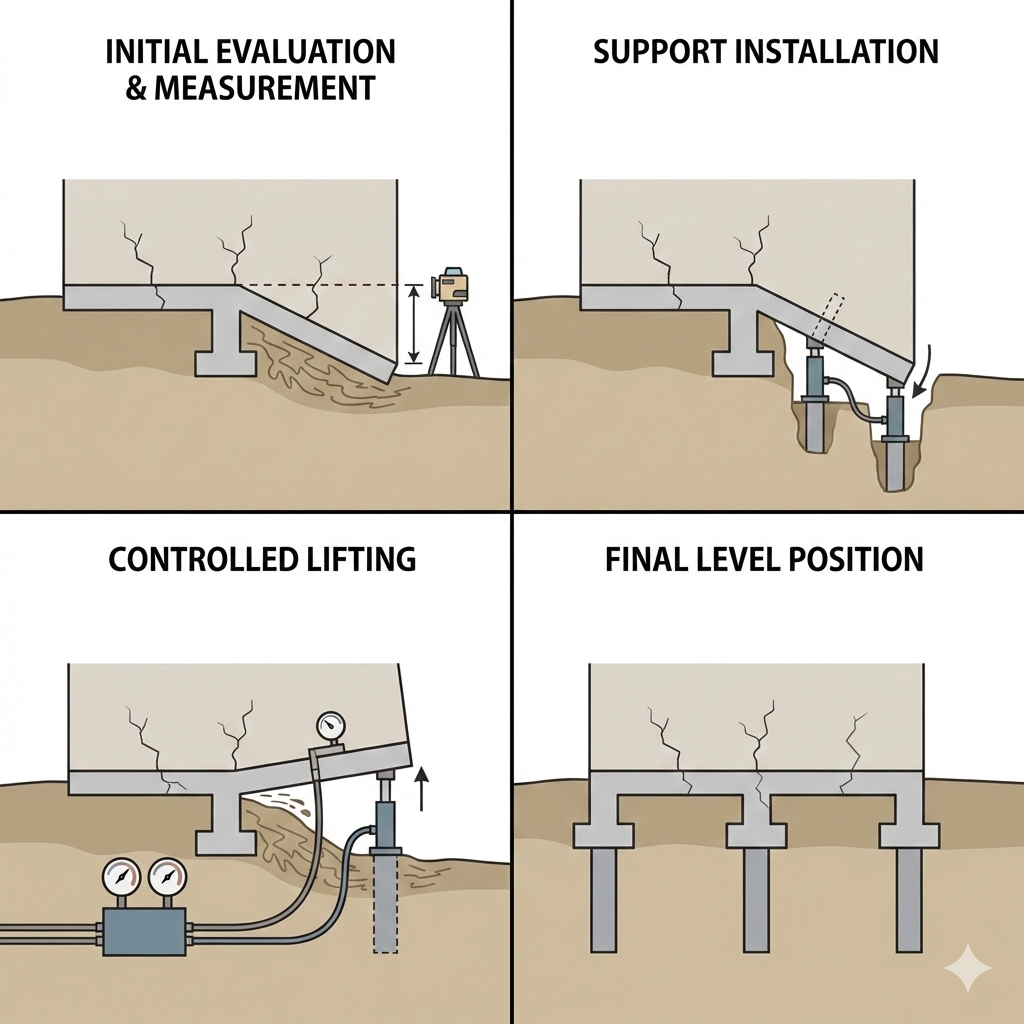
Four-step foundation lifting and leveling process diagram showing evaluation, stabilization, lifting, and final adjustments

What to expect during the lifting process

While every home is unique, the lifting and leveling process generally follows a straightforward sequence:

  1. Evaluation: A professional examines the foundation, documents the structural changes, and identifies the areas of settlement.
  2. Stabilization: Before any lifting occurs, secure supports are placed to ensure the foundation will remain stable during and after the process.
  3. Controlled lifting: The sunken area is slowly and carefully raised until it is aligned with the rest of the foundation. The goal is not just to lift but to restore balanced support.
  4. Final adjustments: Once the home is level, any finishing repairs (such as closing cracks or adjusting door frames) can be made as needed.

Throughout the process, the focus is on precision and stability. The goal is to correct settlement without causing stress to the structure. For a detailed look at this and other foundation repair methods, professionals consider both the visible damage and what’s causing it.

Understanding costs and planning ahead

Foundation lifting typically involves specialized equipment and engineering, which affects pricing. The cost varies based on how much of the foundation needs lifting, the accessibility of the work area, and the severity of settlement. Most homeowners find that understanding what affects foundation repair costs helps them plan appropriately and ask the right questions during evaluations.

When to call a professional

Not every sign of settling requires immediate repair, and foundation settlement rarely calls for emergency action. However, foundation issues do not resolve on their own, and the earlier they are evaluated, the easier they are to address.

Consider calling a professional when:

  • You’re noticing ongoing changes, not just one isolated crack
  • Floors or doors have gradually shifted over time
  • A home inspector or contractor has recommended an evaluation

A professional assessment provides clarity. It helps you understand not just what’s happening, but what your options are and which repair approach will best support your home long-term.

Moving forward with confidence

Foundation settlement is common, and foundation lifting and leveling are effective ways to address it. When completed by experienced professionals, the process restores even support, reduces strain on the home’s structure, and helps prevent ongoing shifting.

If you’ve noticed signs of uneven settling and are unsure whether it’s time to take action, Set in Stone can help. Our team provides straightforward evaluations and explains your options in clear terms. Reach out for a free foundation evaluation today.

Foundation issues in Rhode Island homes: Common problems and solutions

Foundations experience stress everywhere, but the combination of coastal moisture, freeze–thaw cycles, mixed soil types, and older housing stock makes foundation issues especially common in Rhode Island. Many homes in the state have basements—some original to the early 1900s—and those foundations have interacted with shifting soil and seasonal temperature swings for decades.

Below, we’ll look at the most common foundation problems in Rhode Island, what tends to cause them here, and when to monitor versus call a professional.

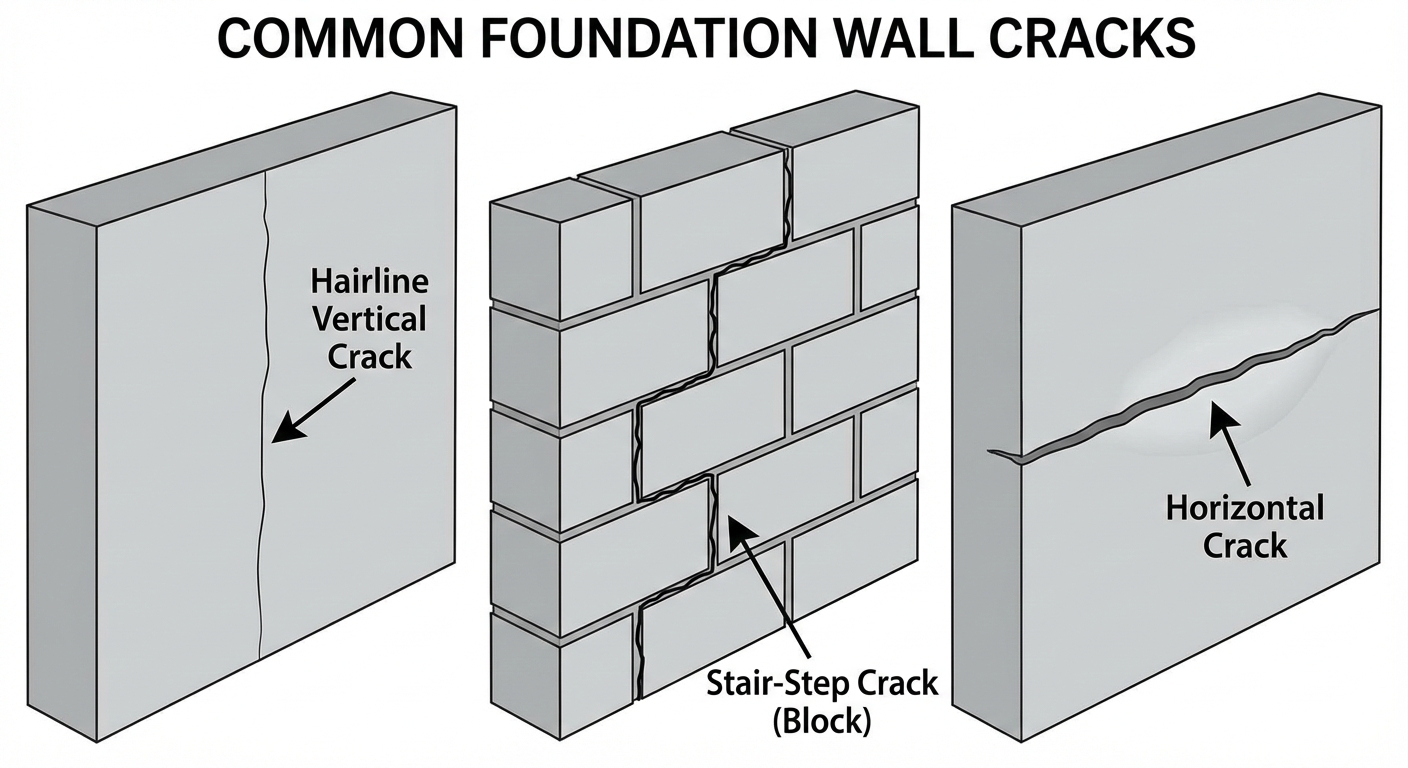
Diagram showing three common foundation wall crack types: hairline vertical crack, stair-step crack in block foundation, and horizontal crack

Hairline vertical cracks in basement foundation walls

Hairline vertical cracks are one of the most frequently seen foundation cracks in Rhode Island homes. While they are often one of the earliest visible signs of foundation damage, they are not always structurally serious. These cracks often appear in poured concrete basement walls, which became standard in the mid‑20th century as older stone foundations were replaced or expanded across the state. In many cases, these cracks form as concrete cures and shrinks during the first few years after construction, or as the home settles slightly over time.

Rhode Island’s freeze–thaw cycle makes these cracks particularly common. As moisture in the surrounding soil freezes and thaws throughout the winter, it creates subtle shifting that encourages narrow vertical cracks to form where the foundation is naturally weakest.

These cracks may be minor foundation problems if:

  • They are thin (hairline) and consistent in width
  • There is no water seepage
  • The crack does not lengthen or widen over time

They may require evaluation if:

  • The crack is wider than 1/8”
  • Water is entering through it
  • There are nearby symptoms such as sticking doors or door frames or uneven floors

Understanding when settling is normal versus problematic can help you decide whether a hairline crack simply needs monitoring or professional attention.

Stair-step cracks in block or stone foundations

Many older homes in Rhode Island, especially those built before the 1940s, have stone or concrete block foundations, while some mid‑century homes feature concrete slabs or partial crawl space foundations. These foundations can develop stair-step cracks, where the crack follows the mortar joints in a zig-zag pattern.

In Rhode Island, stair-step cracks often form due to moisture expansion in mortar joints combined with soil shifting beneath the foundation. When groundwater or coastal humidity enters the mortar, it weakens the joints over time. Add winter freeze–thaw cycles, and the expansion can gradually create visible cracking.

Monitor if:

  • Cracks are narrow and not expanding
  • Mortar is intact and not crumbling
  • There is no inward bowing of the wall

Call a professional if:

  • Cracks are widening or spreading
  • Mortar is deteriorating or powdering
  • The wall begins to tilt or bulge inward

Horizontal cracks or bowing basement walls

Horizontal cracks are less common but more serious, particularly in basements where soil pressure is high. Rhode Island’s dense, moisture-rich soils—especially in areas with high groundwater or near the coast (such as Narragansett, Newport, or South Kingstown)—can exert lateral pressure on foundation walls, potentially leading to foundation damage over time.

When that pressure builds, the wall may bow inward or develop a horizontal crack along its midsection. Freeze–thaw cycles intensify this pressure when water in the soil freezes and expands.

This is one of the clearest signs that the wall’s structural integrity may be compromised and that professional evaluation is needed, even if the crack is not leaking.

Water seepage and damp basement walls

Due to Rhode Island’s high seasonal moisture and coastal climate, basement dampness is extremely common—even in newer homes. Water intrusion — a common source of foundation trouble and water damage — can occur through:

White, chalky residue (efflorescence) on walls is often an early sign of moisture movement—not necessarily active leaks, but a signal that water vapor is migrating through the concrete.

You should seek help if:

  • You see recurring water seepage after rain
  • There is mold or a musty odor
  • Items stored in the basement feel damp

If you’re noticing multiple symptoms beyond just dampness, our guide to recognizing signs of foundation problems can help you assess what you’re seeing.

Uneven or sloping floors

Uneven flooring in Rhode Island homes is often tied to differential settlement. Many neighborhoods were built on a mix of clay, sand, and ledge, meaning the soil beneath one section of a home may shift differently than another, sometimes due to gradual soil erosion or seasonal moisture changes, which can lead to foundation damage over time.

This is especially common in homes built on historic fill, coastal inlets, or areas where older foundations were expanded without matching the original footing depth.

If floors are noticeably sloped or continue to shift, it’s important to determine whether the issue is related to foundation movement, framing settlement, or broader foundation damage.

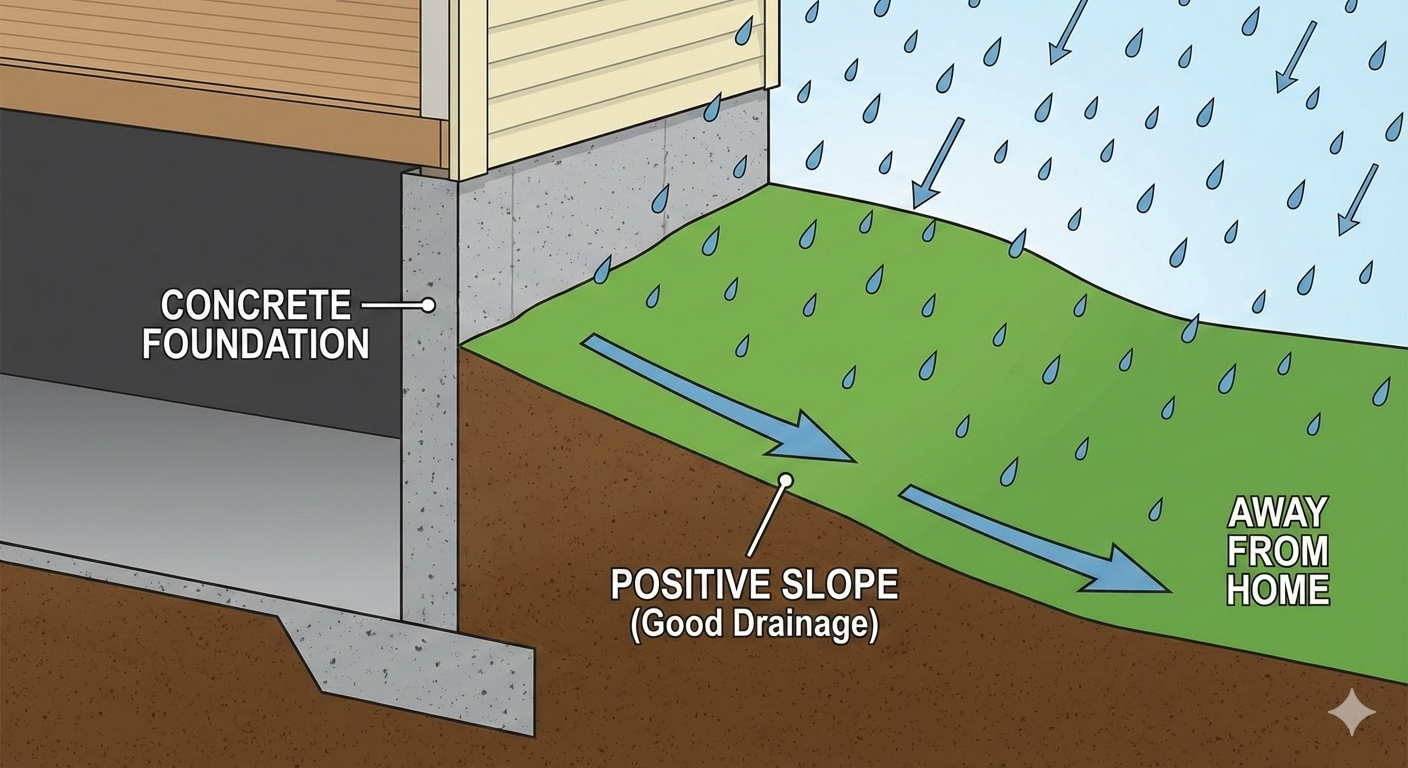
Proper foundation drainage diagram showing concrete foundation with positive slope directing water away from home to prevent foundation issues

Common repair and stabilization solutions for foundation repair

The right approach depends on the specific issue and its underlying cause. For a comprehensive look at foundation repair methods and when each is appropriate, professionals assess both the visible symptoms and what’s driving them.

Common foundation repair and stabilization approaches include:

  • Crack injection (epoxy or polyurethane) to seal and strengthen cracks
  • Drainage improvements to reduce soil and moisture pressure
  • Basement waterproofing to manage seepage or high humidity
  • Foundation wall stabilization (including foundation piers where deeper support is needed) when bowing or lateral pressure is present
  • Soil or grading corrections to improve long-term stability

While some smaller repairs, like sealing minor cracks, may be manageable for homeowners, issues involving moisture, shifting, crawl space concerns, or wall movement should be evaluated by a professional. In cases involving significant movement or complex load paths, consulting a structural engineer may also be recommended.

Simple ways to protect your foundation long-term

Since moisture and seasonal soil movement are two of the most common stressors on foundations in Rhode Island, a few ongoing maintenance steps can help:

  • Keep gutters and downspouts clean and directed away from the home to reduce drainage issues
  • Ensure grading slopes away from foundation walls
  • Use dehumidifiers or ventilation in basements to manage moisture
  • Check cracks seasonally for any changes — regular inspections help you catch movement early

Get clarity on your home’s foundation

Foundation issues are common in Rhode Island due to climate and soil conditions, and catching them early matters. If you’re noticing changes in your foundation and want a clear assessment, we’re here to help. Set in Stone provides local, experienced evaluations so you know exactly what your home needs—and what it doesn’t. Contact us today to schedule a consultation.

Vertical foundation cracks: What they mean and how to address them

Vertical foundation cracks are one of the most common patterns that appear in foundation concrete. They often develop as concrete cures or as a home settles naturally over time, which means they’re not always a cause for concern. In Rhode Island, where freeze-thaw cycles and coastal moisture can stress foundations, understanding what a vertical crack indicates is key to determining whether it simply needs monitoring or if a professional evaluation would be beneficial.

Below, we’ll cover what vertical foundation cracks usually mean and how to tell whether a crack is stable or changing. If you see a vertical crack in your foundation, you’ll be able to take the right next step with confidence.

How to identify a vertical foundation crack

A vertical crack runs straight up and down, or close to it. It may also appear slightly angled—typically within about 30 degrees of vertical. These cracks are most common in poured concrete basement foundation walls, and you’ll often see them near windows, corners, or other stress points.

Vertical cracks tend to be:

  • Straight or slightly diagonal rather than jagged
  • Consistent in width from top to bottom
  • More common in newer foundations as concrete cures

Noticing the shape and direction helps you distinguish vertical cracks from horizontal or stair-step cracks, which can suggest different issues.

What vertical foundation cracks usually mean

Many vertical cracks result from normal shrinkage during concrete curing or from the natural settling of the home over time. As concrete dries, it naturally contracts, and the foundation adjusts to the soil beneath it. This can create narrow, straight cracks that are often cosmetic rather than structural. Understanding the difference between normal settling and foundation problems helps you assess whether a crack needs attention.

Common causes of vertical cracks include:

  • Concrete curing shrinkage: New concrete can develop hairline cracks in the first few years.
  • Natural settling: Homes shift slightly as soil compresses under the structure.
  • Minor soil movement: Seasonal moisture changes can cause slight shifts in the foundation. In Rhode Island, this is especially common due to our clay-heavy soils that expand and contract with seasonal moisture changes.

When a vertical crack is not a concern

A vertical crack is often not a structural issue when:

  • It is hairline (very thin)
  • It stays the same size over time
  • It is dry with no signs of moisture
  • There are no nearby symptoms like sticky windows or uneven floors

These cracks can often be sealed to prevent moisture intrusion and keep the foundation protected.

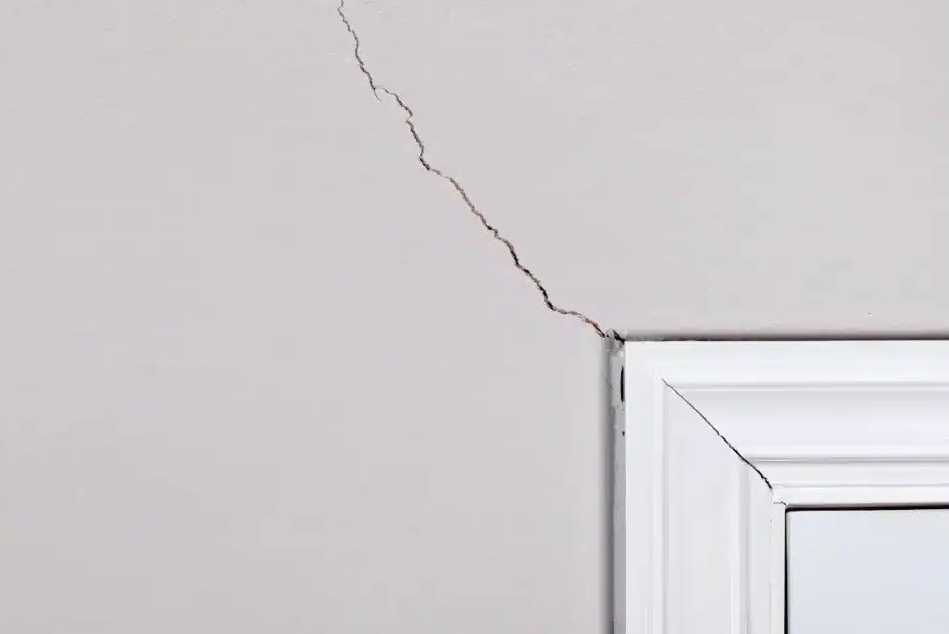
Vertical wall crack extending from door frame showing foundation settlement stress point

When a vertical crack needs professional attention

A vertical crack is more concerning if you notice any of the following:

  • The crack is wider than 1/8 inch
  • The crack is growing or lengthening over time
  • There are water stains or seepage near the crack
  • Doors or windows nearby stick or shift
  • The crack appears alongside floor or wall movement

These signs may indicate ongoing foundation movement or potential structural concerns rather than ordinary settling. In some cases, untreated movement can lead to structural damage over time, so it’s important to have these cracks evaluated by a professional.

Quick comparison

Condition Likely Minor Needs Evaluation
Width Hairline or under 1/8″ Wider than 1/8″ or expanding
Moisture Dry and stable Water seepage or dampness
Nearby symptoms No changes indoors Doors sticking or floors uneven
Behavior over time Crack remains unchanged Crack lengthens or widens

How to monitor a vertical crack

If you’ve found a vertical crack that appears stable, monitoring it over time is the best way to determine whether it needs repair. Track changes by following these steps:

Measure the width: Use a ruler or crack gauge to measure the crack at its widest point. Write down the measurement and date.

Mark the endpoints: Using a pencil, mark the top and bottom of the crack directly on the wall. Include the date next to each mark so you can see if the crack lengthens over time.

Take photos: Photograph the crack with a ruler or coin placed next to it for scale. These dated photos create a visual record of any changes.

Check regularly: Inspect the crack monthly for the first three to six months. Look for changes in width, length, or moisture around the crack.

Keep a simple log: Note the date of each inspection and whether the crack has changed. If you see widening, lengthening, or new moisture, it’s time to call a professional.

Regular monitoring helps you catch developing problems early, while also giving you peace of mind if the crack remains stable over time.

Repair options for vertical foundation cracks

The right approach depends on whether the crack is stable or showing signs of movement. For a detailed look at all available foundation repair methods, professionals assess the crack’s cause, not just its appearance.

For small, stable cracks

  • Epoxy or polyurethane crack injection can help seal the crack and prevent moisture entry.
  • These repairs protect the foundation from moisture but don’t address underlying soil or drainage problems.

For cracks showing signs of movement or moisture

Professional foundation repair specialists may recommend solutions based on soil conditions, moisture patterns, and the foundation’s load-bearing structure. Understanding repair costs helps you plan appropriately:

  • Structural epoxy injection to restore strength
  • Polyurethane injection for sealing active leaks
  • Drainage improvements to reduce soil pressure
  • Foundation stabilization if settlement is ongoing

The right repair method depends on what caused the crack—not just what the crack looks like.

Preventing future cracking

To help reduce stress on your foundation:

  • Ensure gutters and downspouts move water away from the home
  • Keep grading sloped away from foundation walls
  • Check crack width occasionally to monitor changes
  • Address drainage issues early to prevent soil expansion and contraction

In Rhode Island’s climate, proper water management is especially important during our heavy spring rains and winter freeze-thaw cycles, which can accelerate foundation stress.

Foundation repair professional inspecting vertical foundation cracks in a concrete basement wall with clipboard in Rhode Island home

Protect your home with confidence

Vertical foundation cracks are common, and many are simply part of a home’s natural settling. Understanding what you’re seeing helps you decide whether the crack needs routine maintenance or a professional repair.

If you’ve noticed a vertical crack and want clarity about the best next step, Set in Stone is here to help. With decades of experience, we provide clear assessments and lasting repair solutions. Contact us today to schedule a free foundation inspection so you can move forward confidently, knowing your home is protected.

How to Fix Foundation Cracks (And When to Call a Professional)

If you own a home, cracks in your foundation are almost inevitable. Seasonal temperature swings, natural settling, and soil conditions can all cause the concrete around your home to shift. Not every crack signals serious damage or structural issues, but knowing when foundation cracks need attention prevents bigger problems later.

Knowing what kind of crack you’re seeing, and what caused it, helps you understand whether it’s a simple DIY fix or a problem that calls for expert help. This guide explains how to fix foundation cracks, why they form, how to identify them, and how to choose the right repair approach.

How foundation crack repair works

Foundation crack repair methods depend on the crack’s size, location, and whether it’s actively moving. For hairline cracks (under 1/8 inch), a flexible sealant or epoxy compound is used to bond to both sides of the crack, creating a waterproof barrier. Larger or structural cracks require more involved techniques that either fill in the gap or reinforce the walls themselves and offset the pressure that caused the crack in the first place. The key is correctly diagnosing the underlying problem and using the applicable repair method.

What causes foundation cracks?

Foundation cracks can form for several reasons, and pinpointing the cause is as important as the repair method. Common factors include:

  • Natural settling: Homes shift slightly as the soil underneath compresses.
  • Moisture and drainage issues: Soil that’s too wet or too dry expands and contracts, putting pressure on the concrete.
  • Freeze–thaw cycles: In climates such as Rhode Island, soil expansion and contraction during winter can cause the foundation to move.
  • Expansive clay soils: Clay-rich soils swell when wet and shrink as they dry.
  • Construction or soil compaction issues: Poorly compacted fill beneath the footing may settle unevenly over time.

Understanding the root cause helps determine whether a crack is mostly cosmetic or a symptom of something more significant.

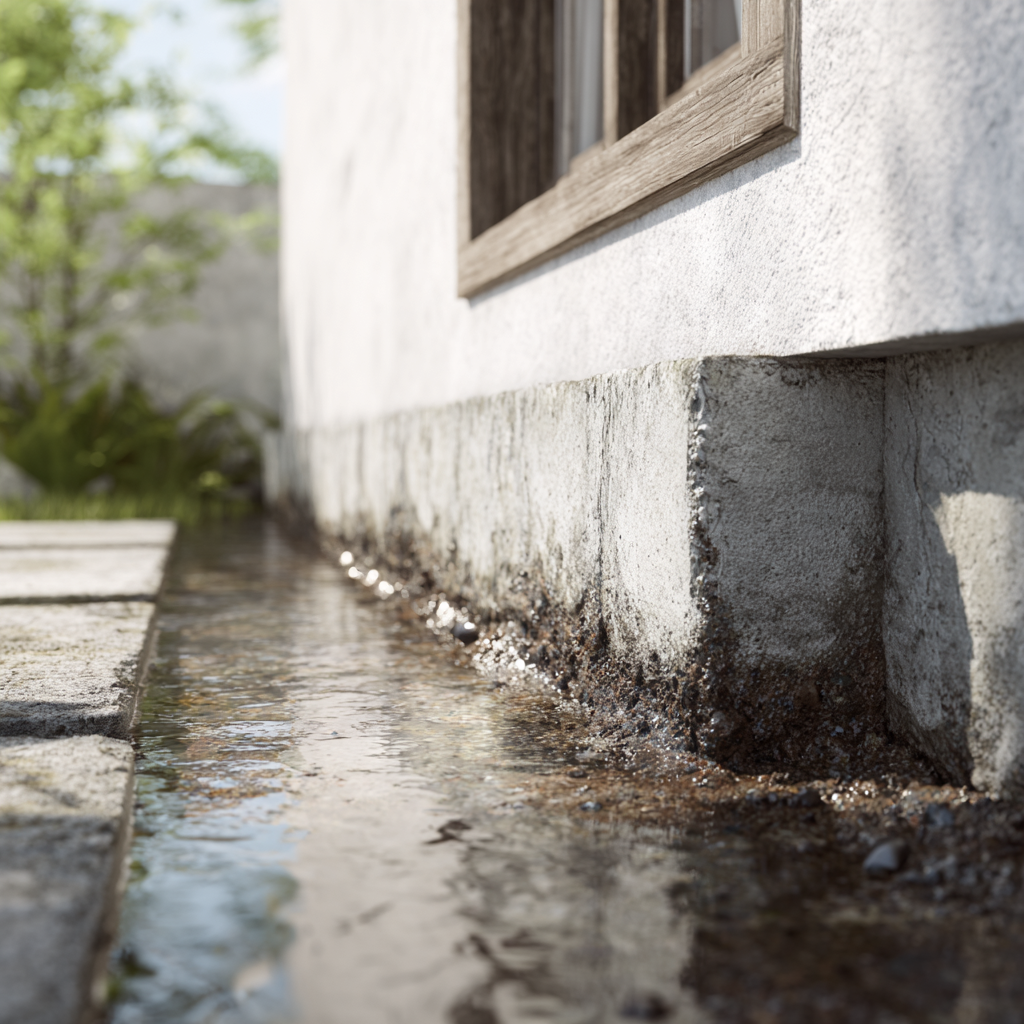
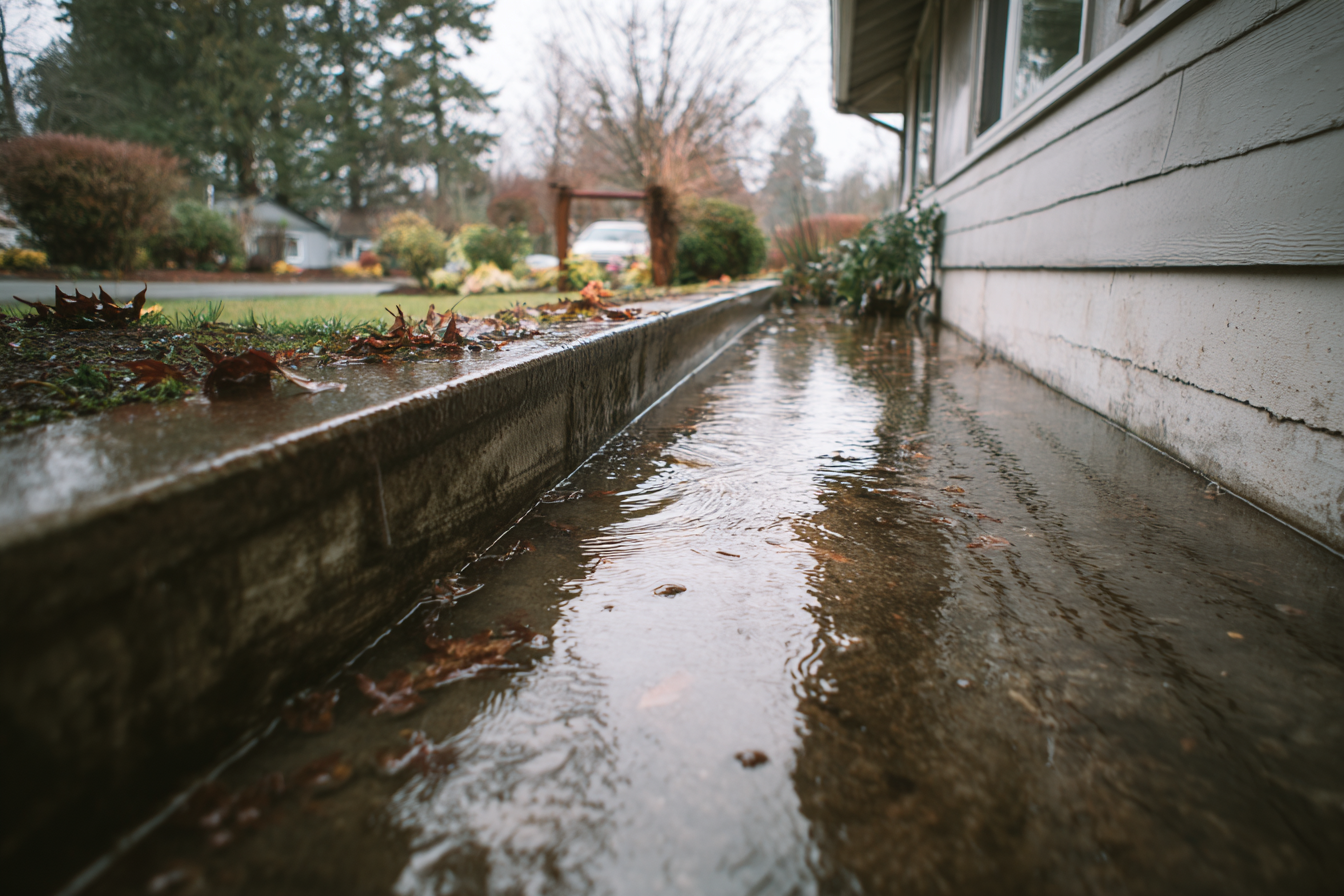
Water pooling against residential foundation wall showing poor drainage causing moisture damage, a critical component to address in understanding how to fix foundation cracks.

Common types of foundation cracks (and what they mean)

The direction and size of a crack can offer valuable clues about what’s happening below.

  • Hairline vertical cracks: These usually develop as concrete cures or from minor settling. They’re often cosmetic, also known as non-structural cracks, and can be sealed to keep out moisture.
  • Horizontal cracks: These may indicate pressure from expanding soil or poor drainage. These are considered structural cracks and warrant professional evaluation.
  • Stair-step or diagonal cracks: Common in brick or block foundations, these follow mortar joints and point to uneven settling or shifting. Monitor them closely for changes.
  • Cracks wider than 1/8 inch: Width matters. Larger or growing cracks often indicate ongoing movement and should be assessed by an expert.

Can you fix foundation cracks yourself?

Small, stable hairline cracks, especially narrow vertical ones, can sometimes be sealed with epoxy or polyurethane crack injections to block moisture and improve appearance. For homeowners comfortable with basic repairs, fixing foundation cracks on your own might work for these minor issues.

However, self-repair only treats what’s visible. It won’t correct underlying problems like drainage or soil pressure. If a sealed crack reopens or lengthens, there’s likely more movement occurring below.

Basic DIY repair process for minor cracks

For small, stable hairline cracks under 1/8 inch, DIY repair is straightforward. First, clean the crack thoroughly with a wire brush to remove loose debris and dust. Apply the epoxy or polyurethane sealant according to the product instructions, working from bottom to top to prevent air pockets. Allow the material to cure fully—typically 24 to 48 hours—before exposing it to moisture or stress. 

Keep in mind that this addresses only the visible crack, not the underlying movement or structural issues.

When to call a professional

Get a professional evaluation if you notice:

  • Horizontal or stair-step cracks
  • Cracks wider than 1/8 inch
  • Evidence of water intrusion
  • Musty smells or damp foundation walls
  • Sticking doors or windows near cracked areas
  • Bowing or bulging walls

These signs suggest structural stress that needs a deeper look. Attempting DIY repairs for structural cracks can mask serious problems and jeopardize your home’s structural integrity. The underlying movement continues even if you can’t see it. 

Close-up view of vertical crack in concrete foundation wall showing structural damage.

DIY vs professional repair: quick comparison

Situation When DIY Repair May Be Okay When to Call a Professional
Crack width Hairline or under 1/8 inch Wider than 1/8 inch or continuing to expand
Crack direction Vertical and stable Horizontal or stair-step pattern
Moisture No water leaks present Water intrusion or persistent dampness
Structural signs No sticking doors/windows Doors/windows misaligned or walls bowing
Goal Temporary sealing to prevent moisture Long-term structural stability and safety

Professional foundation repair solutions

When foundation problems become a concern, professionals offer proven repair methods such as:

  • Structural polyurethane or epoxy injections
  • Reinforcement or stabilization of foundation walls
  • Drainage improvements or grading corrections
  • Masonry repair to restore strength and appearance

Specialists will choose the right repair method based on the type of damage and underlying conditions. For example, structural epoxy is ideal for restoring strength to cracked concrete, while polyurethane is best for sealing active water leaks. Working with a professional helps ensure a lasting, structurally sound repair that addresses the root cause while delivering the most cost-effective solution over time.

Long-term maintenance and prevention

To help prevent cracks from returning:

  • Make sure water drains away from your home.
  • Keep gutters and downspouts clear and extended.
  • Monitor cracks periodically for any widening.
  • Schedule occasional inspections, especially in older homes.

Addressing issues early is always easier and less costly than waiting for major repairs.

Protect your home with confidence

Foundation cracks can be unnerving, but understanding what you’re seeing and knowing when to bring in an expert makes the process much easier. Minor crack repairs can often be managed with simple fixes, while structural shifts deserve professional care.

If you’ve spotted a crack and want clear guidance before taking action, the Set in Stone team is ready to help. With decades of experience, we provide straightforward assessments and reliable repairs that help protect your home over the long term. Dealing with serious foundation cracks? Get expert foundation repair—contact us today to schedule a professional inspection and take the first step toward lasting peace of mind about your home’s stability.

Common Foundation Repair Methods

Finding out your foundation needs repair can feel overwhelming—especially when different contractors recommend different solutions. You might be wondering why one proposal includes piers while another suggests foam lifting, or why costs vary so widely. We get these questions a lot, so we figured it would be helpful to walk folks through typical foundation repair methods, what they mean, and why one makes sense over another.

There isn’t one right repair method for every home. The best solution depends on what’s causing the movement, how your home was built, and the soil conditions underneath. Understanding the reasoning behind each approach helps you evaluate contractor recommendations and know what questions to ask.

Why foundations need different repairs

Foundations don’t all fail in the same way. The movement you’re seeing could be caused by shifting soil, changes in moisture, freeze-thaw cycles common in Rhode Island, or simply the age and design of your foundation. Some movement is normal, but when one area settles more than another or when pressure pushes against a basement wall, the repair needs to address the specific cause, not just patch the visible damage.

This is also why two contractors may recommend different solutions. Each repair method is designed to solve a particular type of movement or instability, and companies often specialize in specific systems or have more experience with certain approaches. For a deeper look at how foundations work and what causes different types of damage, see our complete guide to concrete foundations.

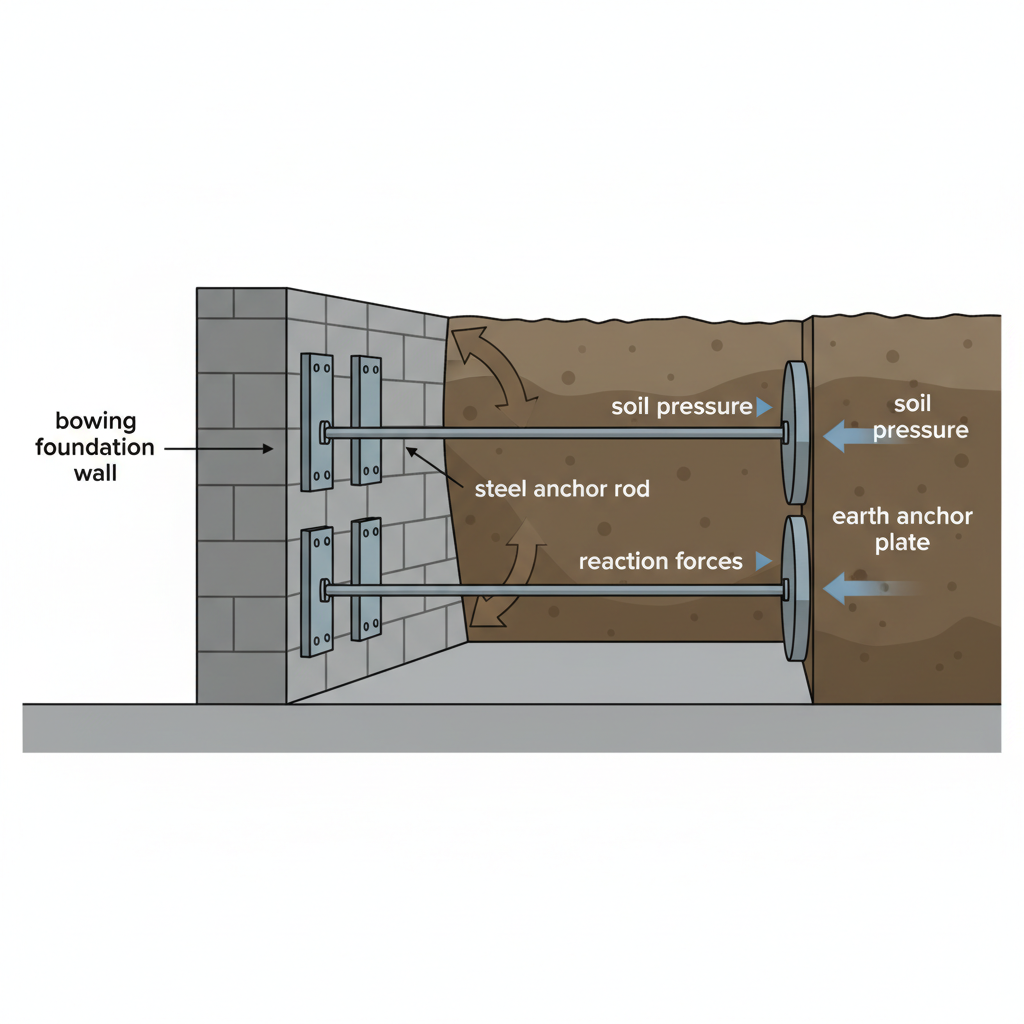
Diagram showing how wall anchor systems stabilize bowing basement foundation walls with steel rods and earth anchors

Steel piers: Stabilizing settled foundations

When part of your foundation has settled unevenly (causing doors and windows to stick, floors to slope, or cracks to appear), steel piers are typically the permanent solution. These are driven deep into stable soil layers using hydraulic pressure, then attached to your foundation to lift and stabilize the settled area.

There are two main types: push piers and helical piers. Push piers work well when there’s enough weight from your home to drive them down to load-bearing soil depths. Helical piers have screw-like blades and are better for softer or variable soil conditions where you need more surface contact with the ground.

Steel pier systems address the root problem: unstable soil beneath your foundation. They don’t just treat surface symptoms like cracks.

When they’re used: Settlement issues, uneven floors, cracking from differential movement

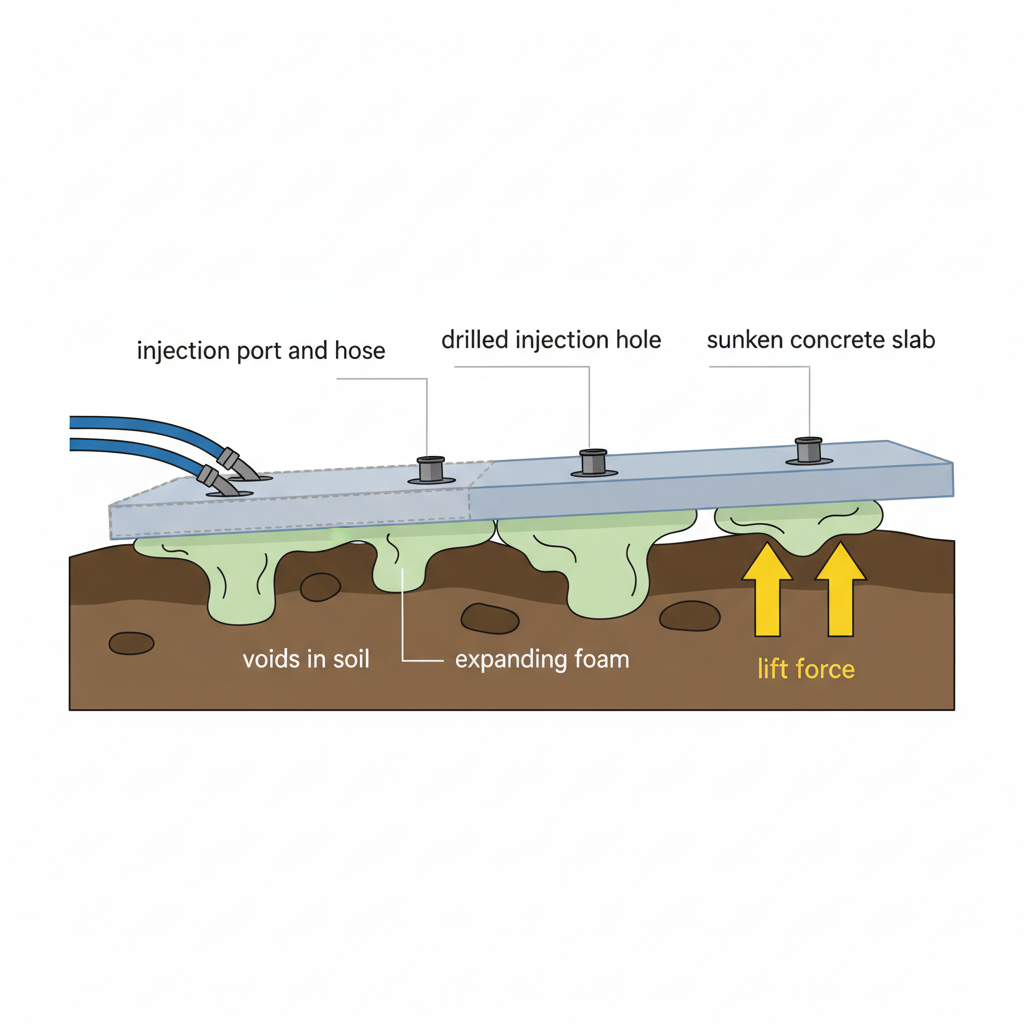
Cross-section diagram of polyurethane foam injection process lifting sunken concrete slab foundation, a common foundation repair method

Slabjacking and foam injection: Lifting sunken concrete

If your basement floor, garage slab, or patio has settled and created uneven surfaces or trip hazards, slabjacking or foam injection can restore the level. Both methods work by filling the void that formed beneath the concrete, lifting it back into position.

Traditional mudjacking pumps a cement-based slurry under the slab. Polyurethane foam injection uses an expanding foam that’s lighter and more precise, which puts less additional weight on already compromised soil. Most contractors in Rhode Island now prefer foam for interior work because of its accuracy and faster cure time.

These methods work well for slabs that have settled but aren’t structurally damaged. They won’t fix cracked or deteriorating concrete—only lift what’s still intact.

When they’re used: Sunken basement floors, settled garage slabs, uneven walkways

Carbon fiber reinforcement: Stopping early wall movement

If you’ve noticed new cracks or slight bowing in your basement wall, carbon fiber straps can stabilize the area before it gets worse. These thin, high-strength strips bond directly to the interior wall surface and prevent further inward movement.

Carbon fiber is most effective when wall movement is still minor, typically less than about 2 inches of deflection. It keeps existing cracks from widening and stops early-stage bowing from progressing. The installation is relatively clean and doesn’t change the room’s layout or usable space.

This is a prevention approach more than a correction method. If a wall has already bowed significantly, you’ll need a solution that can actively pull it back into alignment. For guidance on when cracks can be handled with simpler repairs versus when they need professional intervention, see our guide on fixing foundation cracks.

When they’re used: Early-stage horizontal cracks, minor bowing, preventive stabilization

Wall anchors: Correcting advanced bowing

When a basement wall has a noticeable lean or significant inward movement, wall anchors provide both stabilization and gradual correction. Steel rods are driven through the wall and anchored into stable soil outside your home, then connected to interior plates. This creates a pull against the inward pressure causing the bow.

Unlike carbon fiber, wall anchors can actually straighten a wall over time by adjusting the tension on the system. The tradeoff is that the interior plates are visible on your basement walls, and the installation requires excavation outside.

When they’re used: Moderate to severe wall bowing, walls leaning inward, advanced horizontal cracking

Drainage and waterproofing: Managing water pressure

Interior drainage systems and exterior waterproofing don’t re-stabilize a foundation that’s already moved, but they prevent water-related issues from making structural problems worse. If your foundation issues are tied to poor drainage, hydrostatic pressure, or basement moisture, these systems relieve that pressure and protect the repairs you’ve made.

Common solutions include interior perimeter drains with sump pumps, exterior waterproof membranes, and improved grading around your home. In many cases, drainage improvements are done alongside structural repairs to address both the symptom and the cause.

When they’re used: Wet basements, hydrostatic pressure, preventing future moisture damage

Need help understanding what’s causing moisture in your basement? Our foundation repair services include drainage evaluations as part of every inspection.

Which foundation repair methods make sense

The right repair depends on what your foundation is actually doing. Sometimes there’s more than one valid approach. In those cases, the best solution is the one that will last while working with how your home was built and the soil conditions underneath.

What’s Happening Typical Solution
Foundation settling or sinking Steel push piers or helical piers
Bowing basement wall (minor) Carbon fiber reinforcement
Bowing basement wall (advanced) Wall anchors
Sunken concrete slab Slabjacking or foam injection
Water pressure or leaks Drainage and waterproofing systems

If a basement wall is bowing, for example, both carbon fiber and wall anchors might work. Carbon fiber is better when you catch the movement early, while wall anchors are needed when the bow is more pronounced. You can always ask the contractor to explain why they recommend one approach over another based on your specific situation.

Don’t just look for the least expensive option. Choose what will actually solve the problem and prevent it from coming back. If you’re comparing estimates and want to understand the reasoning behind different recommendations, we cover typical investment ranges in our foundation repair cost guide.

Choosing the right foundation repair method for the job

Every foundation problem needs its own solution. What works for one home might not be right for another because of differences in soil, foundation type, and what’s causing the movement. Understanding these repair methods helps you evaluate recommendations from contractors and choose an approach that will actually work for your home.

When you work with Set in Stone, our inspections focus on identifying what’s actually causing the movement before recommending any repair. We explain the options clearly, show you why we’re suggesting a particular approach, and give you what you need to make the right decision.

If you’re evaluating different proposals or just want clarity on what your foundation needs, reach out to schedule a free inspection. We’ll assess the situation, explain what we’re seeing, and walk you through the repair options that fit your home’s specific needs.


Structural Wall Cracks: Foundation Warning Signs You Shouldn’t Ignore

Structural wall cracks appear differently than the hairline settling cracks common in newer Rhode Island homes. When a crack connects to foundation movement—particularly in our climate with freeze-thaw cycles and clay soil expansion—it shows specific patterns worth understanding.

Most wall cracks are cosmetic. But knowing which ones signal foundation shifts helps you catch problems early, before they require extensive repair work.

Interior Cracks vs. Exterior Cracks: Different Causes

Interior wall cracks typically appear in drywall or plaster. Many result from:

  • Normal building movement as materials expand and contract
  • Seasonal humidity changes (common in Rhode Island’s humid summers)
  • Minor settling during the first few years after construction
  • Poorly finished drywall seams

Exterior wall cracks often indicate more serious issues because they appear in structural materials:

  • Poured concrete foundation walls
  • Concrete block or brick masonry
  • Stone foundations (common in older Rhode Island homes built before 1920)

Exterior cracks expose foundation walls to water infiltration, making them both a structural concern and a waterproofing issue.

Drywall Cracks vs. Foundation Cracks: Telling Them Apart

The location and pattern reveal what’s actually cracking:

Drywall cracks are usually:

  • Thin and straight, following tape seams
  • Located at corners where walls meet ceilings
  • Superficial—they don’t extend through the wall
  • Stable—they don’t grow noticeably over time

Foundation-related cracks are:

  • Visible on both interior and exterior surfaces
  • Accompanied by other symptoms (doors sticking, uneven floors)
  • Progressive—they widen or lengthen over months
  • Located near basement walls or ground-level exterior walls

If you see a crack running from floor to ceiling that continues into the basement, that’s often a foundation crack expressing itself through interior finishes.

What Makes Wall Cracks “Structural”

A crack becomes structural when it indicates movement in load-bearing elements. Here’s what differentiates a structural crack from cosmetic damage:

Width matters:

  • Hairline cracks (less than 1/16 inch): Usually cosmetic
  • Cracks 1/16 to 1/4 inch: Monitor closely
  • Cracks wider than 1/4 inch: Likely structural and worth professional evaluation

Direction reveals cause:

  • Vertical cracks often result from concrete curing or minor settling
  • Horizontal cracks indicate lateral pressure from soil or water
  • Diagonal or stair-step cracks suggest uneven settling or heaving

Changes over time: A static crack that hasn’t grown in years is usually stable. A crack that widens seasonally or continues expanding indicates ongoing foundation movement.

Rhode Island clay soil composition that affects foundation stability and seasonal movement, which directly impacts structural wall cracks

How Wall Cracks Connect to Foundation Movement

In Rhode Island, foundation movement typically stems from:

Soil conditions: Our clay-heavy soil expands when wet and contracts when dry, creating pressure cycles against foundation walls.

Freeze-thaw cycles: Water infiltrating soil around foundations freezes in winter, expanding and pushing against walls. This repeated pressure can crack both the foundation and walls above it.

Poor drainage: Water pooling near foundations saturates soil, increasing lateral pressure and causing wall movement.

When a foundation wall shifts—even slightly—that movement transfers upward through the structure. Wall cracks often appear before obvious foundation damage becomes visible, making them an early warning system.

Crack Patterns That Signal Foundation Problems

Some patterns are more concerning than others:

Horizontal cracks: These typically appear in basement walls and indicate significant lateral soil pressure. In poured concrete walls, a horizontal crack often sits about 2/3 up from the floor where the wall experiences maximum bending stress. These require prompt professional assessment.

Stair-step cracks in masonry: When cracks follow mortar joints in a stair-step pattern through brick or concrete block, they usually indicate differential settling—one part of the foundation is sinking while another remains stable.

Cracks near corners or openings: Foundation movement often causes cracks to radiate from windows, doors, or corners where structural stress concentrates. Multiple cracks emanating from a single window suggest the foundation beneath that area is moving.

Wide cracks with displacement: When you can see one side of a crack is higher or further forward than the other, the foundation has experienced significant movement. This displacement often indicates soil failure beneath the foundation.

Cracks that widen at top or bottom: A crack wider at the top suggests the foundation is settling in the middle. A crack wider at the bottom indicates the foundation is being pushed inward at ground level—common with hydrostatic pressure from poor drainage.

When Wall Cracks Mean Foundation Movement

Look for these combinations of symptoms, which together indicate foundation issues rather than superficial wall damage:

Primary indicators:

Secondary signs:

  • Water staining or dampness near cracks
  • Basement walls bowing inward (even slightly)
  • Exterior soil pulling away from foundation
  • New cracks appearing in previously stable areas

If you’re seeing multiple symptoms together, the issue likely extends beyond the visible crack to the foundation itself.

Tracking Cracks to Determine Severity

Before calling a professional, track the crack for 30-60 days using these methods:

Measurement tracking:

  • Mark both ends of the crack with pencil and date them
  • Measure the width at the widest point with a ruler
  • Note the length in inches from a fixed reference point

Photo documentation:

  • Take photos from the same distance and angle
  • Include a ruler or coin for scale
  • Photograph every 2-3 weeks to capture changes

Seasonal observation: In Rhode Island, watch for:

  • Spring widening (as soil swells from snowmelt)
  • Summer stability (when soil moisture levels out)
  • Fall narrowing (as soil dries)
  • Winter expansion (from freeze-thaw pressure)

Cracks that widen seasonally but return to their original size may be less urgent than cracks that progressively worsen without returning to baseline.

When to Call a Foundation Specialist

Contact a professional when you observe:

  • Horizontal cracks wider than 1/8 inch
  • Any crack that continues expanding over multiple monitoring periods
  • Cracks accompanied by other foundation warning signs
  • Water entering through or around cracks
  • Visible bowing or displacement in basement walls
  • Multiple cracks appearing in a short timeframe

Many homeowners wait too long, hoping cracks are just normal settling. While settling does cause some cracks, ongoing changes indicate active foundation movement that typically worsens without intervention.

A foundation specialist can determine whether you need:

  • Simple crack repair and waterproofing
  • Wall stabilization systems
  • Foundation underpinning
  • Drainage improvements
  • Or just continued monitoring

What Affects Foundation Repair Costs

Foundation repair costs vary significantly based on several factors that can’t be assessed without inspection:

Severity and extent: A single stable crack requires minimal intervention. Multiple cracks with ongoing movement indicate underlying foundation issues that need comprehensive repair.

Root cause: Surface cracks might need simple sealing. Cracks caused by foundation settlement require underpinning. Cracks from lateral soil pressure need wall stabilization systems. The repair method—and therefore the investment—depends entirely on what’s causing the cracks.

Accessibility: Repairs accessible from the exterior typically cost less than interior work requiring finished basement demolition and restoration.

Home characteristics: Older Rhode Island homes with stone foundations present different challenges than homes with poured concrete. The construction type affects both the repair approach and complexity.

Local conditions: Clay soil requiring drainage improvements, high water tables needing waterproofing, or severe freeze-thaw damage all influence the scope of necessary work.

Two homes with similar-looking cracks can have vastly different repair requirements. Until a foundation specialist inspects and determines the underlying cause, any cost estimate is speculation.

Proper drainage system protecting Rhode Island home foundation from water damage and pressure

Stop Wondering, Start Protecting Your Home

Structural wall cracks don’t improve on their own. They’re either stable or getting worse.

The difference between a manageable repair and extensive foundation work is often just timing—catching the problem before it progresses.

If you’re seeing cracks that match the patterns described here, or if you’re simply uncertain whether your wall cracks are cosmetic or structural, get a professional evaluation now.

Schedule a professional foundation inspection and know exactly what you’re dealing with. We’ll assess the cracks, check for foundation movement, and give you a clear explanation of what’s happening and what it will take to fix it—honest answers from Rhode Island foundation specialists who’ve seen every type of crack pattern our local conditions can create.

Foundation Problems vs. Settling: How To Tell The Difference

Small cracks or uneven doors leave many homeowners asking the same question: are these foundation problems or just normal settling? Comparing and contrasting foundation problems vs settling is important because, while some movement is perfectly normal as your home adjusts to the ground beneath it, certain warning signs indicate structural issues that need professional attention. Catching problems early can save you thousands in repair costs down the road. This is especially important in Rhode Island and throughout New England, where freeze-thaw cycles during winter can accelerate foundation movement and make seasonal monitoring critical.

This guide explains what normal settling looks like, what warning signs suggest foundation problems, and how to tell the difference so you can protect your home with confidence.

What is normal settling?

Every home settles over time as the soil beneath it compresses and moisture levels adjust. This process is especially common during the first few years after construction, but it can also occur gradually over decades.

Normal settling signs include:

  • Hairline vertical cracks near doors, windows, or in drywall that do not expand
  • Minor gaps between baseboards and flooring that don’t change over time
  • Slightly sticking doors or windows that improve with humidity changes

Settling tends to be slow and consistent. Cracks that remain the same size, do not leak water, and appear vertically are often considered harmless. This type of movement reflects your home finding equilibrium with the surrounding soil.

Professional foundation inspector examining concrete basement wall during inspection in Rhode Island

What are signs of foundation problems?

Foundation problems occur when the ground beneath your home shifts unevenly or can no longer support the structure properly. This can happen for several reasons. Expansive clay soil, poor drainage, tree root growth, soil movement over time, and long-term water intrusion are common culprits.

Warning signs of foundation problems include:

  • Horizontal or stair-step cracks in basement walls or exterior brick
  • Cracks wider than 1/4 inch that continue to widen or are accompanied by water seepage
  • Floors that slope or feel uneven underfoot
  • Gaps between walls and ceilings or around windows
  • Persistent water leaks or moisture near the foundation

When these symptoms appear, they may indicate deeper structural problems with your foundation’s integrity. Acting early can prevent further damage and reduce repair costs.

Foundation problems vs settling: How to tell the difference

Distinguishing between harmless settling and structural foundation issues often comes down to location, direction, and progression.

  • Location: Cracks in drywall or plaster are often cosmetic, while cracks in concrete foundations or basement walls deserve closer attention.
  • Direction: Vertical cracks usually result from natural settling, but horizontal or diagonal cracks can indicate pressure from shifting soil.
  • Progression: Normal settling cracks remain stable, but foundation-related cracks widen, leak, or change shape over time.

If you’re unsure, keep a record of changes. Mark cracks with a pencil and note the date, or take photos every few months. If you notice widening, water seepage, or new cracking in different areas, it’s time to call a professional for an evaluation.

Professional inspector examining concrete basement wall to identify if symptoms are foundation problems vs settling issues that are common in homes over time and not problematic

What to do if you suspect a foundation problem

If you think your home’s movement might go beyond normal settling, here are a few practical steps to take:

  • Inspect the exterior for drainage issues or downspouts that empty too close to your foundation
  • Check for standing water or soil erosion near your home’s base
  • Avoid quick cosmetic fixes like caulking cracks without addressing the root cause
  • Schedule a professional foundation inspection to assess whether repairs are necessary

Catching issues early helps preserve your home’s safety and value while avoiding larger structural repairs later. If you’re concerned about foundation repair costs, getting a professional assessment sooner rather than later typically results in lower expenses.

How to prevent future foundation issues

Preventative maintenance keeps your foundation stable and reduces the risk of structural damage.

  • Maintain proper grading so water flows away from your home
  • Keep gutters clean and ensure downspouts discharge several feet from the foundation
  • Manage trees and large shrubs near the home to reduce root pressure and moisture changes
  • In dry climates, water the soil evenly around your home to prevent excessive shrinking
  • Consider a sump pump or drainage system if your area is prone to heavy rainfall

A consistent foundation maintenance routine reduces risk and extends the lifespan of your foundation. For a comprehensive look at how foundations work and common issues in Rhode Island, check out our complete foundation guide.

Protect your home with confidence

Many homewoners are confused when they see something that looks wrong with their foundation, and understanding the difference between foundation problems vs settling is an important knowledge base. Some settling is perfectly normal, and noticing a few small cracks doesn’t automatically mean there’s a problem. The key is paying attention to changes over time. Stable, vertical cracks are usually harmless, while widening, horizontal, or leaking cracks may signal structural stress that needs attention.

If you’re unsure whether you’re dealing with normal settling or foundation problems, it’s always best to get a professional opinion. If you’re in the Rhode Island area, Set in Stone’s foundation experts can provide a foundation inspection and help you understand exactly what your home needs to stay strong and stable. Contact us today to schedule your inspection.

Foundation Cracks: When to Worry and When They’re Normal

Cracks in a home’s foundation can be unsettling, but not every crack is cause for alarm. Some are harmless signs of natural settling, while others may signal a deeper structural issue that affects your home’s overall stability. A small hairline crack in an Arizona home might simply reflect dry, shrinking soil, while a similar crack in a New England basement could point to water intrusion or the toll of years of freezing temperatures. Understanding the differences between these types of foundation cracks (and knowing when to take action) can help you protect your home’s structural integrity.

What causes foundation cracks

Foundation cracks can develop for a variety of reasons, from harmless natural shifts to serious foundation problems. Where you live plays a major role in how and why they form.

Common, non-serious causes

  • Concrete curing: As concrete dries and hardens, it naturally shrinks, often leading to small vertical hairline cracks. These are typically non-structural cracks and don’t impact your foundation’s integrity.
  • Normal foundation settlement: Most homes experience slight movement in the first few years after construction, which can result in minor surface cracks.
  • Seasonal changes: Expansion and contraction from temperature shifts can cause thin surface cracks, especially in areas with wide seasonal variation.

More serious causes

  • Water pressure or poor drainage: Hydrostatic pressure from saturated soil can push against foundation walls, causing bowing or horizontal cracks. This is especially common in regions with heavy rainfall or poor soil drainage.
  • Expansive or clay-rich soil: In the Midwest and South, clay-rich soils expand when wet and shrink when dry. This creates movement under the foundation that leads to cracking.
  • Tree roots: Large roots can absorb moisture from the soil or exert pressure as they grow, contributing to soil pressure against foundation walls.
  • Climate and natural disasters: Freeze-thaw cycles in cold climates and drought conditions in arid regions both strain the foundation. Earthquakes or flooding can also trigger sudden foundation settlement or structural cracks.

Whether you live near the coast, in a humid valley, or in a dry desert climate, your environment affects how your foundation behaves. Knowing what’s typical for your region makes it easier to distinguish harmless cracks from warning signs of foundation damage.

Thin vertical hairline crack in concrete foundation from normal settling

When foundation cracks are normal

Not every foundation crack requires repair. Some are simply cosmetic and develop from harmless settling or temperature changes.

  • Hairline vertical cracks: Typically less than 1/8 inch wide and common in poured concrete foundations.
  • Shrinkage cracks in floors or walls: Appear soon after construction and do not widen over time.
  • Stable, unchanged cracks: If a crack hasn’t expanded, leaked, or caused drywall cracks after several months, it’s likely not a structural issue.

Tip: Mark the ends of a crack with a pencil or date it to track changes over time. Cracks that stay the same size are usually harmless.

When foundation cracks mean trouble

Some cracks indicate active movement, water seepage, or structural issues that can compromise your foundation’s integrity. A professional foundation contractor should always evaluate these.

  • Horizontal cracks: Often caused by soil or hydrostatic pressure and may lead to bowing walls or major structural damage.
  • Diagonal or stair-step cracks: Suggest uneven foundation settlement, common in homes built on sloping terrain or with mixed soil conditions.
  • Cracks wider than 1/4 inch: Larger gaps can indicate significant movement or stress.
  • Water seepage or mold growth: Moisture or mold around cracks points to water intrusion or poor drainage.
  • Doors and windows sticking: A sign that your foundation may be shifting, causing framing misalignment.

Even small cracks can worsen if underlying conditions aren’t addressed. Early crack repairs can prevent more costly foundation repair work in the future.

What to do if you’re unsure

If you’re uncertain about what kind of crack you’re seeing, the best approach is to document it and watch for changes.

  • Take photos every few months to monitor growth or water infiltration.
  • Note whether cracks widen, leak, or appear in new areas of drywall or flooring.
  • If movement continues or moisture appears, it’s time to schedule a professional foundation inspection.

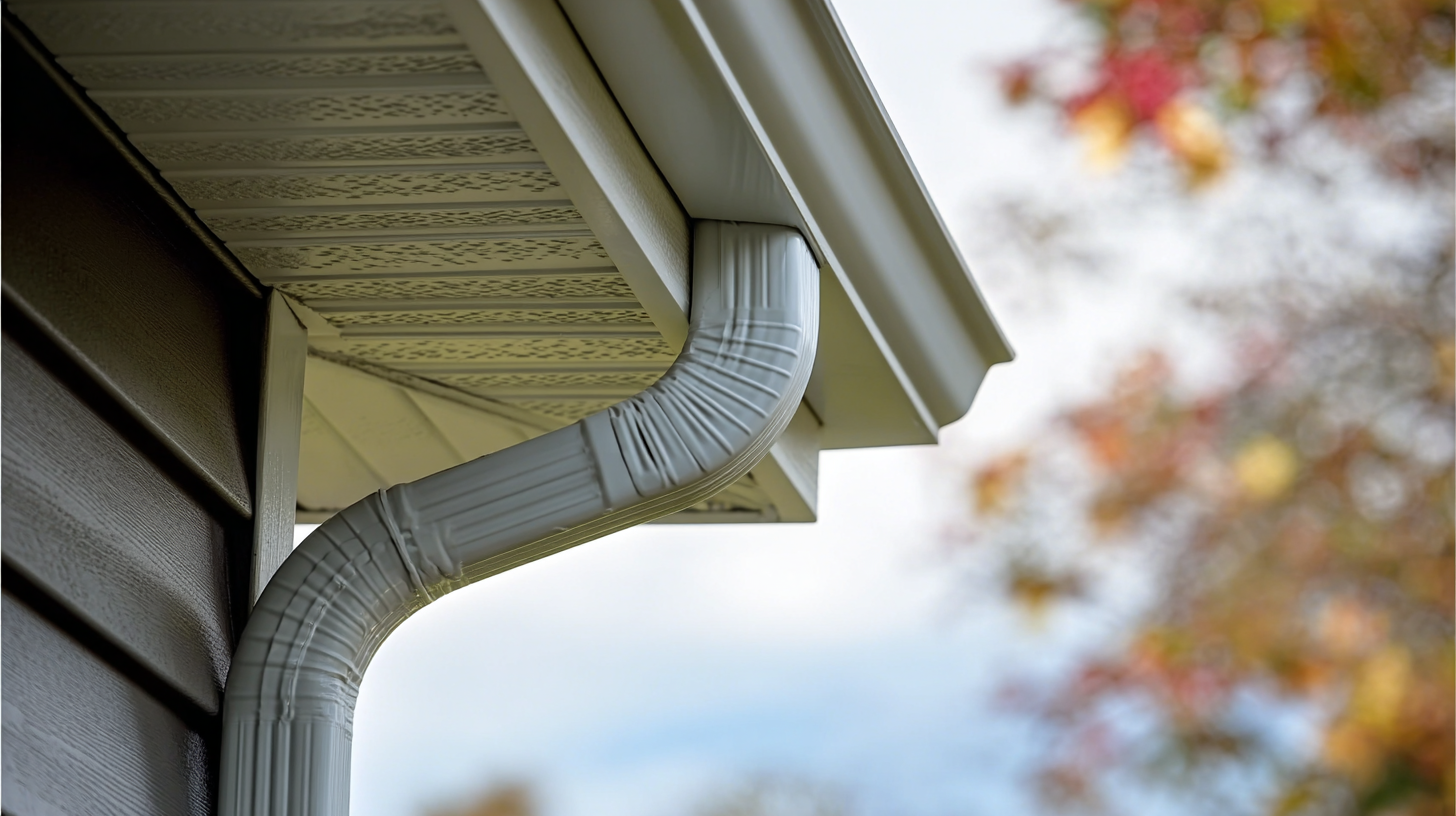
Properly installed gutter downspout directing water away from foundation to prevent cracks

How to prevent future cracks

While you can’t stop every crack from forming, proper maintenance helps reduce the risk of foundation problems and keeps your structure sound.

  • Keep gutters clean and direct downspouts away from your home.
  • Maintain proper grading so water flows away from your foundation.
  • Consider a sump pump or french drain if you experience frequent water buildup.
  • Avoid planting large trees too close to the house to minimize soil pressure and root damage.
  • Inspect for leaks, pooling water, or signs of water intrusion after heavy rain.

Preventative maintenance helps maintain stability and minimizes costly repairs down the road.


Protect your home and your peace of mind

Foundation cracks can be confusing, but understanding which ones to watch and which to fix helps you take confident action. Minor cracks often resolve with time and monitoring, while widening, horizontal, or leaking cracks should be addressed right away. If you’re unsure whether your foundation cracks are normal or worth worrying about, it’s always wise to contact a professional. Set in Stone’s foundation specialists can help you evaluate your foundation, recommend the right repair plan, and provide professional foundation repair services across Rhode Island. Contact us today to schedule a foundation inspection and protect your home for years to come.

Complete Guide to Concrete Foundations in Rhode Island

Introduction: Why Your Foundation Matters

Your home’s foundation is more than just concrete below your feet—it’s the structure that keeps everything else stable, dry, and secure. A strong foundation protects your home from shifting soil, moisture damage, and uneven settling. When it weakens, even small cracks or shifts can ripple through the entire house, leading to warped floors, stuck doors, or water intrusion.

For Rhode Island homeowners, these risks are amplified by the region’s conditions—clay‑rich soil, coastal humidity, and freeze‑thaw cycles that repeatedly stress the ground beneath our homes. Understanding how your foundation performs in these environments can prevent minor issues from turning into major repairs.

This guide walks you through everything you need to know about concrete foundations in Rhode Island: how they work, the different types, the common problems homeowners face, and the most effective ways to maintain and repair them. Whether your home rests on an older stone foundation or a modern concrete slab, you’ll learn how to recognize early signs of trouble and protect your home for decades to come.

Types of Concrete Foundations

While all foundations share the same purpose—supporting your home—the way they’re built can vary widely. In Rhode Island, the type of foundation often depends on when the home was constructed, local soil conditions, and the property’s proximity to the coast. Knowing which type you have helps you maintain it properly and identify potential issues before they worsen.

Poured concrete slab foundations

Poured concrete slabs are common in newer Rhode Island homes. They’re created by pouring concrete directly onto a gravel base, forming a single, level surface that supports the home. These foundations are durable, energy-efficient, and resistant to pests. However, they can limit access to plumbing or electrical systems and are vulnerable to water issues if drainage isn’t handled correctly.

In coastal areas, slabs are sometimes raised slightly to reduce flood risk. Keeping gutters clear and ensuring proper grading around your home can prevent moisture from pooling near the foundation.

Concrete block foundations

Many mid-century Rhode Island homes feature concrete block foundations made of stacked masonry units sealed with mortar. They’re sturdy and easier to repair than solid slabs, but over time, mortar can deteriorate, and blocks may allow moisture to seep through.

If you see horizontal cracks or gaps between blocks, it may indicate soil pressure or drainage problems. Addressing these issues early helps prevent water intrusion and structural stress.

Stone foundations

Stone foundations are a defining feature of older New England homes, particularly in Providence, Bristol, and Newport. Built from fieldstone and lime mortar, they’re both functional and full of character—but they require maintenance. As mortar ages, it can crumble or separate, allowing moisture to enter.

Watch for signs like shifting stones, crumbling mortar, or white powdery residue (efflorescence). These indicate that repointing—the process of replacing deteriorated mortar—may be necessary to maintain stability. Professional masonry repair can restore mortar joints and prevent further deterioration of historic stone foundations.

Crawl space foundations

Crawl spaces raise the home slightly above the ground, allowing access to plumbing and wiring. They’re especially useful in coastal or flood-prone parts of Rhode Island but can be prone to humidity and mold if not managed properly.

Good ventilation is key. Homeowners should open vents in summer, close them in winter, and use vapor barriers or insulation to prevent condensation and heat loss.

Quick comparison of foundation types

Foundation Type Typical Era Main Advantages Common Problems
Poured Concrete Slab Modern builds Durable, low maintenance Drainage issues, limited access
Concrete Block Mid‑20th century Easier repairs Mortar cracking, seepage
Stone 1800s–early 1900s Historic character Moisture, structural shifting
Crawl Space Mixed Access to utilities Humidity, insulation needs

A brief history of foundation construction in New England

Foundation design in New England reflects centuries of adaptation to the region’s climate and resources. Early settlers relied on fieldstone for its strength and availability. In the early 1900s, concrete block became popular as a more affordable and uniform option. By the mid-20th century, poured concrete slabs emerged as the preferred choice for their strength, efficiency, and ability to meet modern building standards.

Today, many Rhode Island homes combine elements of these styles, especially where older properties have been renovated or expanded. Modern building codes emphasize drainage, waterproofing, and insulation—lessons learned from generations of homebuilding in New England’s demanding weather.

Key takeaway: Understanding your foundation type gives you the confidence to spot problems early and make informed maintenance decisions. Whether your home rests on fieldstone, block, or concrete, each foundation reflects Rhode Island’s history—and knowing how yours works is the first step to protecting it.

How concrete foundations work

A home’s concrete foundation might look like a solid slab, but it’s actually a carefully designed system that distributes weight, resists movement, and protects the structure from moisture. Understanding how it works helps homeowners recognize why quality construction—and proper maintenance—matter so much.

Weight distribution in concrete foundations

A concrete foundation’s first job is to spread the weight of the home evenly across the soil. Without even load distribution, parts of the house could sink or shift over time. Think of it like snowshoes on soft snow—spreading the weight keeps the home stable and prevents pressure from concentrating in one spot.

How it works:

  • Distributes the home’s weight evenly across the soil.
  • Adjusts to different soil conditions—like clay, sand, or mixed textures—without letting the structure tilt or settle unevenly.
  • Keeps the home level through seasonal changes, especially during freeze-thaw cycles.

Footings: The foundation’s hidden support system

Footings are the unsung heroes of a strong concrete foundation. They’re wider sections of concrete poured beneath the foundation walls or slab that act as anchors, spreading the home’s weight deeper into the ground where the soil is more stable.

Why footings matter:

  1. Prevent uneven settling: By extending below the frost line, footings help avoid movement caused by freezing and thawing ground.
  2. Distribute stress: They carry the weight of load-bearing walls, chimneys, and columns, ensuring no single area is overloaded.
  3. Add long-term stability: Properly installed footings protect against cracks and structural shifts over time.

What this means for you: If your home was built before the 1980s, your footings might be shallower than today’s standards—something to be aware of during inspections or renovations.

Keeping your foundation dry

Even the strongest concrete foundation can weaken without proper moisture control. Concrete is porous, meaning moisture can seep through over time. Proper drainage and waterproofing prevent water from collecting around the base of your home, reducing the risk of leaks, cracks, and mold growth.

In Rhode Island, this is especially important due to the state’s frequent spring rains, high humidity, and occasional coastal flooding. Homes near Narragansett Bay or low-lying areas often experience saturated soil after storms, which can increase hydrostatic pressure against the foundation. Inland homeowners aren’t immune either—poor grading or compacted clay can trap runoff and direct it toward basement walls.

Good drainage involves:

  • Grading: The soil should slope away from your home so water naturally flows outward.
  • Gutters and downspouts: Direct rainwater several feet away from the foundation.
  • Footing or French drains: Common in homes with high groundwater to carry moisture away before it builds pressure.

Waterproofing solutions include:

  • Exterior membranes or coatings that keep moisture out.
  • Interior drain tiles or sump pumps for homes in wetter or flood-prone areas.

Why proper concrete foundation construction matters

Even with good drainage, construction quality ultimately determines how well your foundation performs over time. A well-built concrete foundation isn’t just about structural integrity—it’s about peace of mind. Cutting corners during construction can lead to long-term issues like uneven floors, cracked walls, or persistent moisture problems. These issues don’t just affect the foundation; they can compromise the entire home.

What happens when corners are cut:

  • Poorly compacted soil can lead to settling and cracks.
  • Inadequate waterproofing results in leaks and mold.
  • Missing or shallow footings increase the risk of structural movement.

Look for:

  • Cracks running along basement walls
  • Uneven floors or gaps under trim
  • Persistent dampness after rain

When foundations are designed and built with care—accounting for soil conditions, drainage, and proper materials—they can last for generations. Homeowners who understand these basics are better equipped to spot potential problems and ensure any repairs or new builds meet the right standards.

Key takeaway: A concrete foundation works as a system, balancing weight, stability, and moisture control. When designed and maintained properly, it keeps your home strong, dry, and secure for decades.

Next: We’ll explore what happens when these systems are stressed—from soil movement to moisture damage—and how to recognize the early warning signs before they worsen.
Close-up of vertical crack in concrete foundation wall

Common foundation problems and warning signs

Rhode Island’s mix of clay-heavy inland soil, sandy coastal ground, and fluctuating moisture levels can make foundations particularly vulnerable to cracking, shifting, and water intrusion. Older homes, especially those built before modern building codes, may show these warning signs sooner. Below are some of the most common foundation issues Rhode Island homeowners encounter—and what to look for.

A solid foundation should keep your home stable, level, and dry—but over time, soil movement, moisture, and natural settling can all take a toll. Knowing what to look for helps you spot early warning signs before they turn into major structural repairs.

Understanding normal settling vs. foundation problems

All homes settle to some degree, especially in the first 1-2 years after construction. Small hairline cracks and minor cosmetic issues are often just a house “finding its footing” as the soil compacts and materials cure. This is normal settling.

However, progressive changes—cracks that widen over time, multiple new cracks appearing, or seasonal patterns of movement—may indicate foundation stress rather than normal settlement. The key difference is whether the issue is stable or worsening.

Normal settling typically involves:

  • Hairline cracks (less than 1/16 inch wide) that don’t change
  • Minor cosmetic cracks in drywall near door frames
  • Small cracks that appear once and stabilize

Foundation problems show:

  • Cracks that widen over months or years
  • Multiple cracks appearing in different locations
  • Seasonal patterns (cracks opening in summer, closing in winter)
  • Cracks accompanied by other symptoms like sticking doors or uneven floors

If you’re uncertain whether settling is normal, documenting changes with photos and measurements helps track progression over time.

Cracks: What’s normal and what’s not

Cracks are one of the most common signs homeowners notice, but not all cracks mean trouble. Hairline cracks in walls or floors often appear as concrete cures or as the home naturally settles. However, wider cracks, uneven gaps, or patterns that change over time may signal deeper structural issues.

In Rhode Island’s older homes—particularly those with fieldstone or early concrete block foundations—cracks often form as decades of freeze-thaw cycles stress the mortar and concrete. These may start small but can worsen quickly with fluctuating temperatures and soil moisture.

Types of cracks and what they mean:

  • Vertical cracks: Usually caused by natural settling; small ones are common and often not serious.
  • Horizontal cracks: Can indicate pressure from expanding soil or hydrostatic water buildup—these require professional evaluation.
  • Diagonal cracks: May suggest differential settling, where one part of the foundation shifts more than another.

If you can slide a coin or your fingertip into a crack, it’s worth getting checked out. Consistent widening or water seepage through cracks is a red flag that shouldn’t be ignored. Professional foundation repair can evaluate whether cracks are cosmetic or structural and recommend the best course of action.

Bowing or bulging walls

When foundation walls begin to curve inward or outward, it’s typically a sign that surrounding soil or water pressure is pushing against them. This problem is more common in basements or homes built on clay-heavy soil, which expands when wet and contracts when dry.

In Rhode Island, this issue often shows up in older basements constructed with fieldstone or early concrete block. Repeated cycles of soil expansion and contraction, combined with seasonal rainfall, can slowly push against aging mortar joints, leading to bulging walls.

What to look for:

  • Walls that appear slightly curved or uneven when viewed from the side
  • Cracks forming in stair-step patterns along block walls
  • Gaps opening at the top of basement walls or between walls and floors

These signs can indicate structural stress and should be inspected promptly. Early foundation repair can stabilize walls before damage progresses.

Water intrusion and moisture issues

Water is one of the biggest threats to a foundation’s integrity. Even small leaks can lead to major damage if left unchecked. In Rhode Island’s humid climate and high water table, damp basements and water seepage are common concerns—especially in coastal towns where flooding or storm runoff can saturate the ground quickly.

Watch for:

  • Pooled water or damp spots on basement floors
  • Efflorescence (white, powdery residue) on walls
  • Musty odors or mold growth
  • Peeling paint or rust near the base of walls

Improper grading, clogged gutters, or failed waterproofing are often to blame. Basement waterproofing prevents moisture from compromising structural integrity and protects against long-term foundation damage.

Settling, shifting, and uneven floors

All homes settle to some degree, but uneven floors, cracked tiles, or doors and windows that no longer close properly can indicate that part of the foundation is moving.

Homes near Rhode Island’s coastline—especially in areas with sandy or loose fill soil—may experience more shifting after prolonged rain or seasonal flooding. Inland homes built on dense clay may instead see movement when the ground expands or contracts with changes in moisture.

Common causes include:

  • Soil shrinkage or expansion from moisture changes
  • Poorly compacted fill beneath the foundation
  • Tree roots drawing moisture from surrounding soil

Signs of foundation movement:

  • Floors that slope or feel uneven underfoot
  • Cracks appearing near door frames or corners of windows
  • Doors that stick or fail to latch properly

These issues can develop slowly, so it’s important to note changes over time. Marking and monitoring cracks can help track movement and determine if it’s worsening.

When small issues signal bigger problems

Sometimes, the smallest signs—like tiny wall cracks or a door that drags—can hint at a deeper problem beneath the surface. The key is pattern and persistence: when multiple symptoms appear together, it’s often a sign that the foundation is under stress.

Call a professional if you notice:

  • Several cracks widening at once
  • Water entering through multiple areas
  • A combination of bowing walls and uneven floors

Addressing problems early usually means simpler, less expensive repairs. Ignoring them can lead to larger structural failures over time.

Key takeaway: Most foundation issues start small. Learning to recognize early warning signs—cracks, moisture, uneven settling—can save Rhode Island homeowners significant time, stress, and money down the line.
New England home in winter showing freeze-thaw cycle stress with heavy icicles

What causes foundation damage

Foundations rarely fail overnight. Most problems develop slowly as environmental and structural factors work together over time. Understanding the root causes of foundation damage helps homeowners identify and prevent issues before they become serious. In Rhode Island, climate, soil composition, and aging housing stock all play a role.

Soil movement and expansion

One of the biggest culprits behind foundation stress is soil movement—especially in areas with clay-heavy or poorly drained soil. Clay expands when wet and contracts when dry, exerting pressure on foundation walls as it shifts. In parts of Rhode Island where clay content is high—like inland regions around Coventry and North Smithfield—seasonal moisture changes can cause repeated cycles of expansion and contraction.

How this affects your home:

  • Expanding soil pushes against basement walls, leading to bowing or cracking.
  • Shrinking soil leaves gaps beneath the foundation, causing uneven settling.
  • Repeated cycles weaken mortar joints in older block or stone foundations.

Poor drainage and water damage

Water that isn’t directed away from the home is another major cause of foundation damage. When rainwater or snowmelt collects near the base of the house, it increases hydrostatic pressure—forcing moisture through small cracks and weakening the structure over time.

Common sources of drainage problems:

  • Clogged or disconnected gutters and downspouts
  • Improper grading that allows water to pool near the foundation
  • Failed sump pumps or footing drains in older Rhode Island basements

Poor drainage is especially concerning in Rhode Island’s wetter months and coastal areas, where heavy rains and rising groundwater can saturate soil quickly.

Freeze-thaw cycles and seasonal stress

Rhode Island’s changing seasons present unique challenges for concrete foundations. During winter, moisture in the soil freezes and expands, pushing against concrete and mortar. When it thaws, the ground contracts, leaving small voids and cracks behind. Over decades, these freeze-thaw cycles can cause shifting, cracking, or surface spalling (flaking) in concrete.

Coastal homes, particularly those near Narragansett Bay or Aquidneck Island, face added stress from salt air and humidity, which can accelerate metal corrosion and surface wear.

What this means for you: If you notice new cracks each spring or find winter frost making basement walls feel damp, those are signs your foundation is reacting to seasonal ground shifts common in Rhode Island’s climate.

Tree roots and vegetation

Trees add beauty and shade, but their roots can quietly undermine foundations. As roots seek moisture, they displace soil and draw water away from the ground surrounding the home. This causes uneven soil moisture levels—drying some areas while oversaturating others.

Warning signs of root-related issues:

  • Cracks appearing near corners or exterior walls closest to trees
  • Uneven soil or depressions along one side of the home
  • Roots visible near the foundation or emerging through cracks

Planting large trees (like oaks or maples) too close to a foundation is a common mistake in older Rhode Island neighborhoods with mature landscaping.

Poor initial construction

Even the best soil and drainage can’t save a foundation that was built incorrectly. Inadequate footings, low-quality concrete, or improper compaction during construction all shorten a foundation’s lifespan.

Older homes built before modern codes—especially pre-1950s stone or block foundations—often lack consistent footing depth or reinforcement. Over time, these structural shortcomings reveal themselves as cracks, leaks, or uneven floors.

Age and natural wear

Finally, time plays a role in every foundation’s story. Concrete, mortar, and waterproofing materials all degrade gradually. Rhode Island’s older homes, some more than a century old, are particularly vulnerable to this natural wear. As materials weaken, they allow moisture intrusion and settlement to accelerate.

Routine inspection and timely repairs are the best defenses against age-related damage.

Key takeaway: Foundation damage rarely stems from a single cause. In Rhode Island, it’s often a combination of shifting clay soils, heavy rainfall, freeze-thaw stress, and decades of natural wear. Recognizing how these forces interact helps homeowners spot risks early and protect their property for the long term.

Foundation repair methods explained

Even the most durable foundations can develop problems over time. The good news is that modern foundation repair methods can restore stability and prevent further damage—often without full replacement. Understanding what each option does and when it’s appropriate helps homeowners across Rhode Island make confident, informed decisions about their foundation.

Crack injection and sealing

Cracks in basement walls or slabs are among the most common repair needs. Epoxy or polyurethane crack injection fills gaps in concrete to prevent water intrusion and restore strength.

  • Epoxy injection is best for structural cracks that need reinforcement, bonding tightly to the concrete to restore its original strength.
  • Polyurethane injection works well for sealing active leaks or fine hairline cracks, expanding within the gap to form a watertight, flexible seal.

These repair techniques are frequently used in Rhode Island homes—especially in places like Cranston and Pawtucket—where freeze‑thaw cycles and humidity cause recurring cracks in walls or slabs.

Wall stabilization and anchoring

When foundation walls begin to bow or lean inward, wall anchors and carbon fiber stabilization systems can halt further movement.

  • Wall anchors use interior and exterior steel plates connected by tension rods that gradually pull bowed walls back into alignment.
  • Carbon fiber straps reinforce walls from the inside, providing a low‑profile solution without the need for excavation.

Homes throughout Providence and Bristol Counties—particularly older ones with block or fieldstone basements—often benefit from these stabilization systems where soil pressure is persistent. In some cases, structural damage may require additional masonry reinforcement.

Underpinning and piering

If part of the foundation starts to sink or shift, contractors may recommend underpinning with steel push piers or helical piers to stabilize the structure. These deep supports transfer the home’s load to stronger soil layers far below the surface.

Underpinning is typically used when:

  • Homes are built on soft or poorly compacted soil.
  • Cracks and sloping floors indicate uneven settlement.
  • Remodeling or additions place new weight on the structure.

This method is especially beneficial in coastal areas like Middletown or Narragansett, where sandy soils make surface foundations vulnerable to shifting over time.

Waterproofing solutions

Because moisture is one of the biggest threats to any structure, basement waterproofing systems protect concrete from long‑term deterioration.

Common methods include:

  • Exterior membranes applied to foundation walls to block groundwater.
  • Interior drain tile systems that channel seepage toward a sump pump.
  • Sump pumps themselves, which remove collected water during heavy rain or spring melt.

Homes near Rhode Island’s coastlines or high‑water areas often rely on a combination of these waterproofing approaches for maximum protection. Spring rains and coastal flooding events common in Rhode Island can quickly overwhelm basements without proper drainage.

When repair vs. replacement makes sense

Not all foundation problems require a full rebuild. Localized repairs—such as crack injections, wall stabilization, or drainage improvements—often resolve performance issues in specific areas. Replacement is usually reserved for cases involving widespread structural failure or deteriorated materials.

Professional inspections can determine whether repair or reconstruction is most effective. In many older Rhode Island homes, combining targeted foundation repair with improved waterproofing offers decades of renewed stability.

Key takeaway: Every repair method serves a distinct purpose. Whether it’s crack injection, wall anchoring, or foundation waterproofing, understanding how these solutions work helps homeowners make informed, confident decisions about protecting their homes for the long term.

Homeowner inspecting basement foundation for cracks with flashlight

Maintaining your foundation

Keeping your foundation in good shape doesn’t require constant work—it’s about consistent, simple maintenance that prevents costly repairs later. For Rhode Island homeowners, where the climate brings heavy spring rains, humid summers, and freezing winters, proactive upkeep goes a long way in protecting your home’s stability.

Proper grading and drainage to protect your foundation

The ground around your home should slope gently away from the foundation so rainwater drains outward instead of pooling near the walls. Aim for about a 6‑inch drop over the first 10 feet of soil. In Rhode Island’s wet spring months, improper grading is one of the leading causes of basement leaks and soil erosion.

Tips for better grading:

  • Fill in low spots where water tends to collect.
  • Use topsoil and grass seed to reinforce bare areas.
  • Check grading after winter frost, as soil can shift and settle unevenly.

What this means for you: If you notice puddles lingering near your foundation after rain, it’s a sign the slope may need adjusting before the next wet season.

Gutter and downspout maintenance for healthy foundations

Clean, functional gutters are one of the simplest ways to prevent foundation damage. Clogged gutters allow rainwater to overflow and run directly down foundation walls. Extend downspouts at least 4–6 feet from the home to keep runoff away from the base.

Maintenance checklist:

  • Clean gutters twice a year—especially after fall leaf drop.
  • Check for leaks or loose joints before spring rainstorms.
  • Add splash blocks or flexible extensions to direct water further out.

Monitoring your foundation for early warning signs

Regular inspections help you catch foundation issues before they worsen. Take a few minutes each season to walk around your home and look for visible changes.

What to check:

  • Spring: Look for new cracks after freeze‑thaw cycles or heavy rainfall.
  • Summer: Monitor for moisture buildup in basements during humid weather.
  • Fall: Clear leaves and debris from drainage areas. Inspect concrete steps and walkways for settling or damage—professional concrete step repair can address problems before winter freeze-thaw cycles make them worse.  
  • Winter: Watch for frost heave near concrete steps, patios, or walkways.

Keep a simple log or photo record of cracks and other changes so you can track progression over time. Early detection allows for smaller, less invasive repairs.

Seasonal considerations in Rhode Island

Rhode Island’s coastal and inland regions face different foundation challenges throughout the year. Coastal homes in towns like Narragansett or Portsmouth may experience high groundwater or salt exposure, while inland properties deal more with soil expansion and freeze‑thaw stress.

How to prepare seasonally:

  • Winter: Seal small cracks before freezing temperatures arrive.
  • Spring: Ensure sump pumps and drains are working properly before seasonal rains.
  • Summer: Improve ventilation in basements to prevent humidity buildup.
  • Fall: Regrade soil if needed and clear gutters to prepare for winter precipitation.

Simple preventive measures homeowners can take

You don’t need specialized tools or professional experience to protect your foundation. A few simple steps can make a lasting difference:

  • Maintain consistent moisture levels around your foundation—avoid letting soil become too dry or oversaturated.
  • Keep trees and shrubs at least 10 feet from the house to prevent root intrusion.
  • Inspect and reseal basement windows or entry points every few years.

Key takeaway: Consistent, small maintenance tasks—like keeping gutters clean and soil properly graded—can prevent the most common foundation problems. Rhode Island’s weather can be unpredictable, but proactive care helps keep your home stable, dry, and secure year‑round.

Professional foundation contractor conducting inspection with clipboard and safety equipment

When to call a professional

Even the most diligent homeowner can miss subtle signs of foundation stress. Knowing when to handle an issue yourself—and when to call in an expert—helps protect both your home and your peace of mind.

DIY inspection vs. professional assessment

A simple self-check every few months can catch early warning signs before they worsen. Look for small cracks, uneven floors, or doors that stick. However, if you notice recurring water intrusion, widening cracks, or bowing walls, it’s time for a professional foundation inspection.

When to call a professional:

  • Cracks are wider than 1/8 inch or spreading.
  • Floors slope noticeably or doors won’t close properly.
  • You see water seepage after storms or snowmelt.
  • Your home shows signs of foundation movement or settling.

A foundation professional can use precision tools—like laser levels or moisture meters—to measure shifts, determine causes, and recommend targeted solutions.

What foundation inspections involve

Professional inspections go beyond visual checks. They typically include:

  • A structural review of foundation walls, floors, and load-bearing areas.
  • Moisture and drainage testing to identify water pressure issues.
  • Soil evaluation to understand expansion, contraction, or erosion risks.
  • Detailed repair recommendations and cost estimates.

Inspectors also consider local conditions like coastal flooding potential, high groundwater, and frost depth—all of which influence foundation health in Rhode Island’s varied landscape.

Questions to ask a foundation contractor

Before hiring a contractor, it’s important to understand their qualifications and process. Asking the right questions can help you choose a trustworthy partner for your home:

Ask about:

  • Licensing and insurance specific to Rhode Island.
  • Experience with your foundation type (stone, block, or poured concrete).
  • Warranties on workmanship and materials.
  • Timeline and disruption expectations for the repair.

Red flags to watch for when hiring

Unfortunately, not all contractors operate with the same level of integrity. Watch out for these warning signs:

  • High-pressure sales tactics or scare language.
  • Refusal to provide references or written estimates.
  • Lack of clarity about repair methods or materials used.
  • No local office or verifiable business presence in Rhode Island.

Working with an established local company helps ensure the work meets both state codes and the region’s unique environmental demands.

Ready for peace of mind?

If you’re concerned about your foundation, don’t wait for small cracks to become structural failures. With over 30 years of experience in masonry, stamped concrete, and foundation repair, Set In Stone combines craftsmanship with technical precision to keep Rhode Island homes stable and secure.

Schedule your foundation inspection today, or explore our foundation repair services, basement waterproofing solutions, and masonry repair to see how we can help protect your home for decades to come.