After you realize your foundation needs to be fixed, the next question many homeowners ask is: how much is it going to cost? It’s a reasonable and understandable question, but unfortunately, there isn’t a single, simple answer. Foundation repair costs depend entirely on your home’s unique situation: the type of damage, your foundation’s construction, soil conditions, and accessibility all play a role.
Rather than giving you misleading price ranges that may not apply to your situation, this guide will help you understand what drives foundation repair costs and how to assess the severity of your own foundation issues. By the end, you’ll know what factors affect pricing, how to identify whether you’re dealing with a minor repair or major structural work, and what questions to ask when you request estimates.
Understanding why your foundation repair cost is unique
Every foundation tells a different story. A small crack in a newer home might need a straightforward epoxy injection, while similar-looking damage in an older home could signal deeper structural issues requiring wall stabilization or underpinning. The difference in cost between these scenarios isn’t just significant—it’s often the difference between a few hundred dollars and several thousand.
Rhode Island’s unique climate adds another layer of complexity. Homes near the coast face salt air and moisture that accelerate concrete deterioration, while inland properties deal with clay soils that expand and contract with seasonal moisture changes. Rhode Island’s freeze-thaw cycles can also cause existing cracks to widen rapidly during winter months. A foundation problem in Westerly might have a completely different cause—and solution—than one in Providence, even if the visible damage looks identical. Understanding what causes foundation damage in your specific location is essential for effective repair.
This is why reputable contractors don’t quote prices over the phone or online. They need to see your specific situation to give you an accurate number.
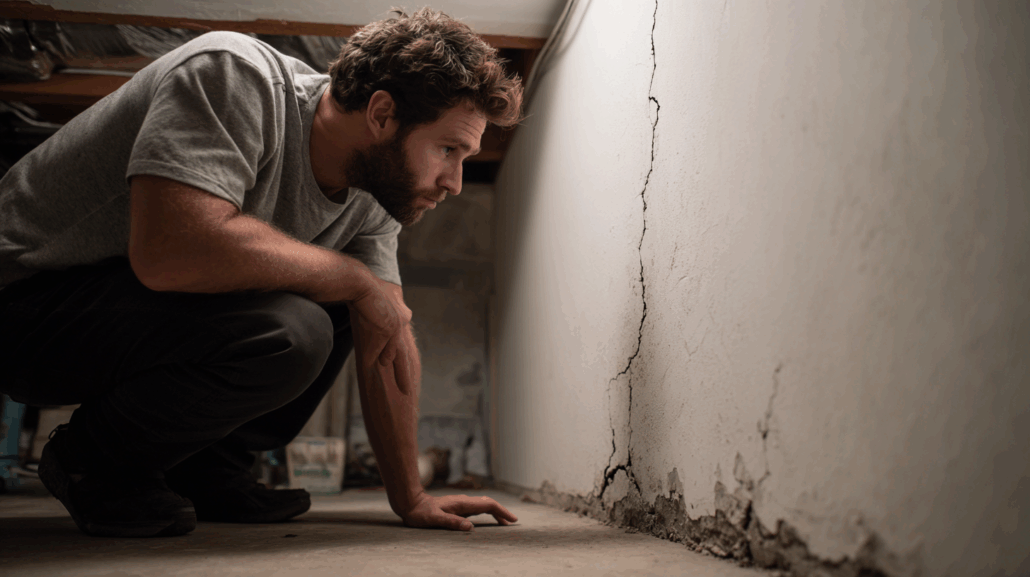
How to assess the severity of your foundation issues
Before you can understand what your repair might cost, you need to know what you’re dealing with. Foundation problems generally fall into three severity categories, and identifying yours will help you understand the scope of work required.
Minor surface issues
These are typically cosmetic problems that don’t threaten your home’s structural integrity but should still be addressed to prevent water infiltration or future damage.
What to look for:
- Hairline cracks (less than ⅛ inch wide) in foundation walls
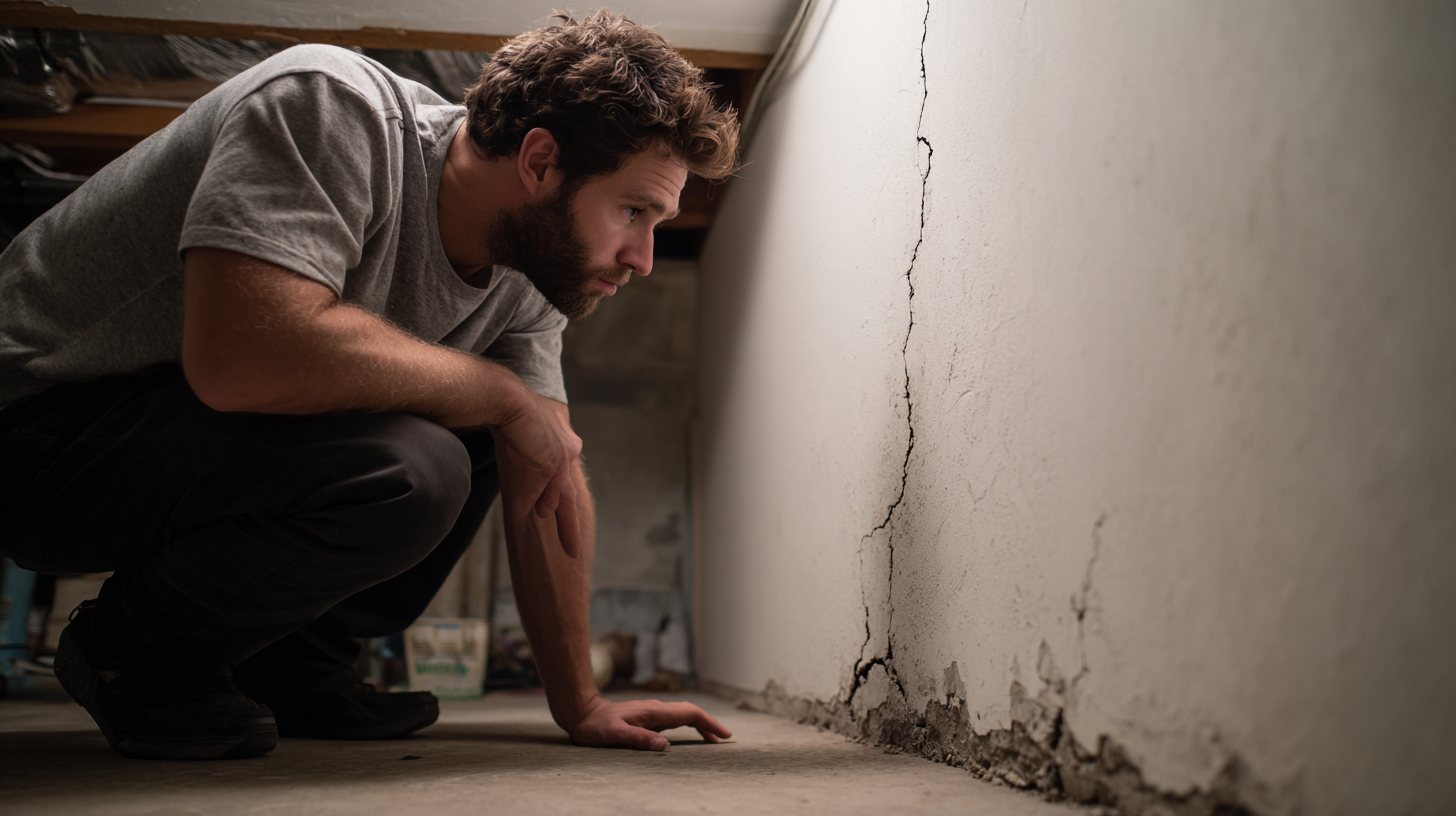
- Small vertical cracks that aren’t growing
- Minor mortar deterioration in older stone foundations
- Slight surface spalling or flaking
What this typically means: You’re likely looking at surface sealing, crack injection, or minor repair work. These repairs prevent water from entering and stop small problems from becoming larger ones.
Moderate structural concerns
These issues suggest your foundation is under stress or experiencing movement. They need professional attention but may not require emergency intervention.
What to look for:
- Cracks wider than ¼ inch in concrete or block foundations
- Horizontal cracks in basement walls
- Stair-step cracks in block or brick foundations
- Doors and windows that stick or won’t close properly
- Minor bowing or leaning in basement walls
- Small gaps between walls and floors or ceilings
What this typically means: You may need wall reinforcement, carbon fiber stabilization, or drainage improvements. The goal is to stabilize the foundation and prevent further movement. Professional foundation repair services can assess the extent of damage and recommend the most effective solution for your situation.
Serious structural problems
These are active foundation failures that require prompt professional intervention to prevent additional damage or safety issues.
What to look for:
- Significant wall bowing or bulging (more than 2 inches)
- Floors that slope noticeably or feel uneven when walking
- Large diagonal or stair-step cracks that continue to grow
- Separation between chimneys or additions and the main structure
- Foundation sections that are visibly sinking or settling
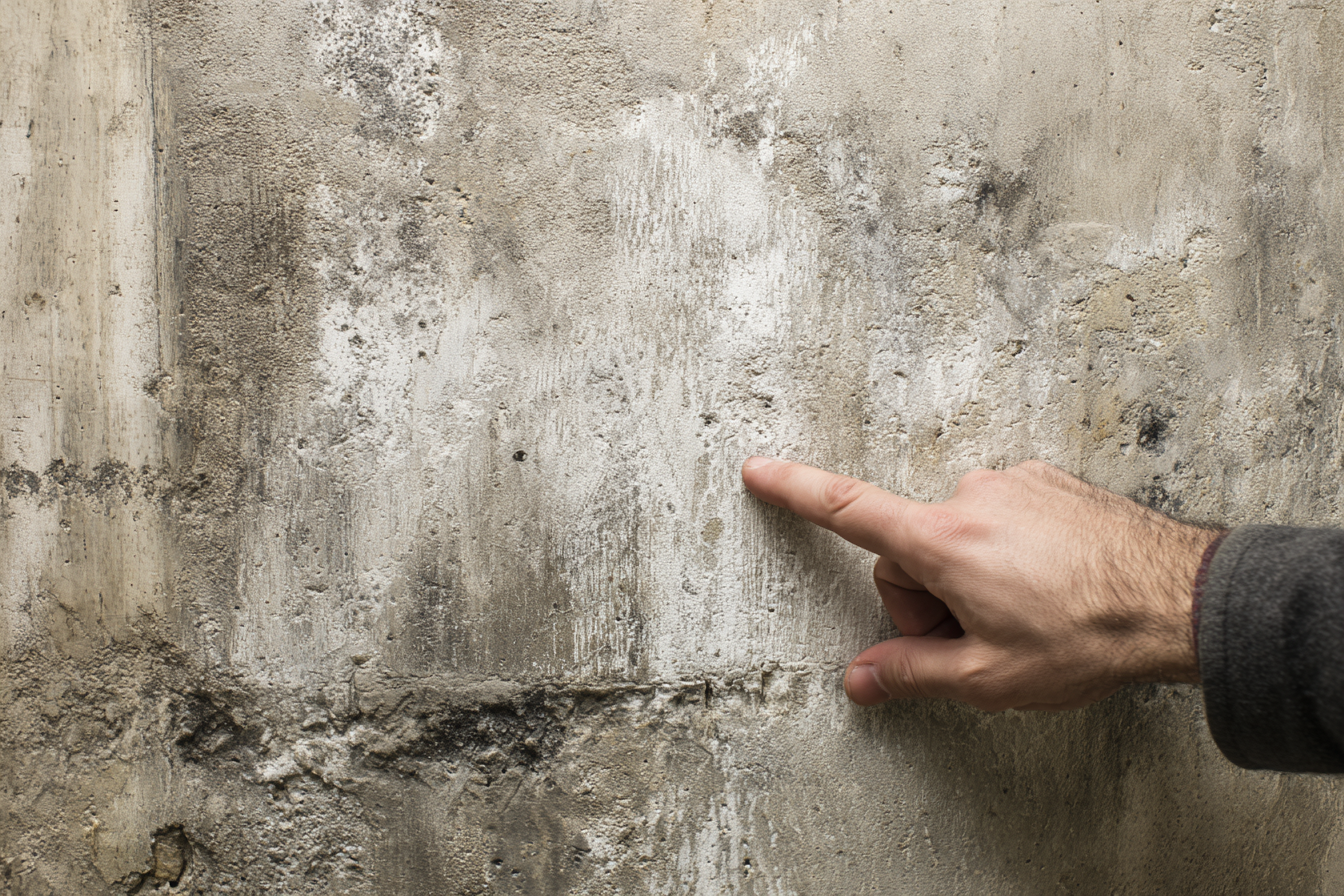
- Basement walls with water intrusion and structural cracks
What this typically means: You likely need major structural repairs such as pier installation, underpinning, wall anchors, or comprehensive waterproofing systems. These repairs stabilize your home’s structure and protect its long-term integrity. Experienced foundation contractors use specialized equipment and proven methods to address serious structural issues safely and permanently.
If you’re seeing signs of serious structural problems, don’t wait. Rhode Island’s freeze-thaw cycles can accelerate foundation damage quickly, especially during winter months.
What drives foundation repair costs in Rhode Island
Understanding the factors that affect pricing helps you have more productive conversations with contractors and recognize when a quote reflects the actual scope of work needed.
The type and extent of damage
A single small crack requires minimal materials and labor. Multiple large cracks, bowing walls, or settling foundations require more extensive work, specialized equipment, and often weeks rather than days to complete. The more severe the damage, the more complex the repair—and the higher the cost.
Your foundation type and construction
Basement foundations, crawlspace foundations, and slab foundations each present unique challenges. Working in a cramped crawlspace takes longer than working in a full-height basement. Stone foundations in historic Rhode Island homes require different techniques than modern poured concrete. The foundation type you have directly impacts both the labor involved and the repair methods available.
Soil and drainage conditions
Rhode Island’s soil varies significantly across the state. Coastal sandy soils shift and erode differently than inland clay soils that expand when wet and contract when dry. If poor drainage is causing or contributing to your foundation problems, addressing it might require installing French drains, improving grading, or adding sump pump systems—all of which add to the project scope.
Poor drainage doesn’t just damage foundations—it makes repairs less effective if not addressed. A contractor who identifies drainage issues isn’t padding the estimate; they’re ensuring the repair actually solves your problem.
Repair method and materials required
Foundation repairs use specialized materials: epoxy and polyurethane injections, carbon fiber reinforcement systems, steel or helical piers, wall anchors, hydraulic lifting equipment, and waterproofing membranes all serve different purposes. Different repair methods work better for different situations. Some repairs need one approach; others require multiple methods working together. The materials and methods your situation requires will significantly impact the final cost.
Accessibility and site conditions
Can contractors easily access your foundation, or do they need to move landscaping, remove finished basement walls, or work in tight crawlspaces? Is your property on a slope that makes equipment access difficult? Do they need to protect existing hardscaping or coordinate with underground utilities? These practical considerations affect labor time and therefore cost.
Rhode Island-specific factors
Rhode Island’s higher labor costs and strict building codes mean foundation work here typically costs more than the national average. Coastal properties may need additional moisture protection. Historic homes in Providence or Newport might require permits or specialized approaches. These local factors are part of doing business in Rhode Island—they’re not markup.
Understanding the cost spectrum: minor to major repairs
While specific dollar amounts vary too much to be useful, understanding the general cost spectrum helps you set realistic expectations.
Minor repairs involving surface sealing, small crack injection, or minor waterproofing typically represent the lower end of foundation repair costs. These are preventive measures or fixes for early-stage problems.
Moderate repairs like wall stabilization with carbon fiber, drainage system installation, or addressing multiple structural cracks fall in the middle range. These repairs stabilize existing problems and prevent future movement.
Major structural work such as underpinning, pier installation for settling foundations, comprehensive wall anchoring systems, or full perimeter waterproofing represents significant investment. These repairs address serious structural issues that threaten your home’s stability.
Most homeowners dealing with foundation issues fall somewhere in the moderate range, but the only way to know where your situation lands is through a professional inspection.

How to get an accurate estimate for your home
Now that you understand what affects foundation repair costs, here’s how to get reliable pricing for your specific situation.
Schedule multiple in-person inspections
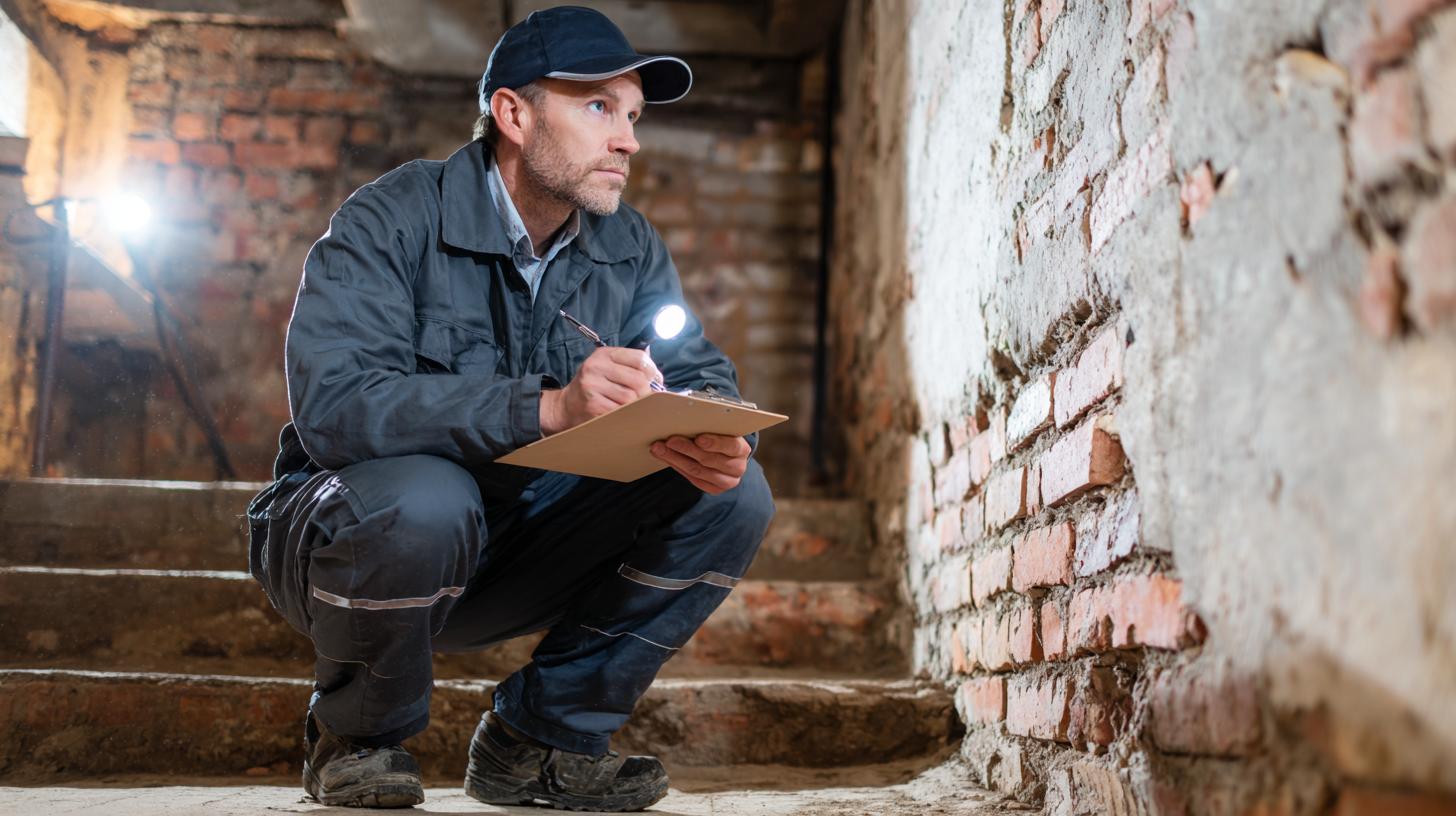
Never accept a quote without an in-person inspection. Reputable contractors need to see your foundation, assess the damage, test for moisture, and evaluate soil conditions before quoting accurately. If someone gives you a price over the phone, they’re guessing—and you’ll likely face change orders once work begins.
Get at least three estimates from licensed, insured contractors who specialize in foundation repair. This gives you a range to compare and helps you identify any outliers.
Ask for detailed written estimates
Request written proposals that break down the work into phases or line items. You want to see exactly what’s included: materials, labor, permits, site cleanup, and warranty terms. Vague quotes like “foundation repair: $8,000” don’t give you enough information to make informed decisions.
Understand what’s included—and what’s not
Some estimates include everything from permit fees to final cleanup. Others quote just the repair work, with additional costs for drainage improvements or exterior restoration. Ask specifically about:
- Permits and inspections
- Waterproofing or drainage work
- Restoring landscaping, concrete, or hardscaping disturbed during repairs
- Cleaning up and hauling away debris
- Warranty coverage and duration
Compare value, not just price
The lowest quote isn’t always the best choice. Look at the contractor’s experience with Rhode Island foundations, their warranty terms, how thoroughly they diagnosed your problem, and whether their proposed solution addresses the root cause or just the symptoms.
A contractor who identifies drainage issues and includes fixing them might quote higher than one who only seals cracks—but their repair is more likely to last.
Ask about timing and payment structure
Some foundation repairs can happen quickly; others require scheduling weeks out or working in phases over time. Ask about the timeline and whether payment is due upfront, in installments, or upon completion. Understanding the schedule helps you plan financially and logistically.
Questions to ask foundation repair contractors
These questions help you evaluate whether a contractor understands your situation and can deliver quality work:
About the diagnosis:
- What’s causing my foundation problem? (If they can’t explain the underlying cause, they’re just treating symptoms)
- Will this solution address the root cause or just the visible damage?
- Are there drainage or grading issues contributing to this?
About the repair:
- What repair method are you recommending and why?
- What materials will you use?
- How long will the repair take?
- How long should this repair last?
About the contractor:
- How long have you been doing foundation work in Rhode Island?
- Are you licensed and insured?
- Can you provide references from similar jobs?
- What warranty do you offer on the work?
About the cost:
- Does this estimate include everything, or are there potential additional costs?
- What does your warranty cover?
- Do you offer financing or payment plans?
Pay attention to how contractors answer. Experienced professionals explain clearly, acknowledge uncertainties, and don’t pressure you to sign immediately.

When foundation repair shouldn’t wait
Some foundation problems are urgent; others can be monitored and addressed when timing is better for your budget and schedule. Here’s when to act quickly:
- Visible or rapidly growing cracks suggest active foundation movement
- Significant water intrusion can cause mold, damage belongings, and worsen structural problems
- Doors and windows that suddenly won’t open or close indicate movement happening now
- Noticeably sloping floors or separation between walls and ceilings mean serious structural issues
If you’re seeing these signs, get inspections scheduled quickly. Rhode Island’s winter freeze-thaw cycles can rapidly accelerate foundation damage, turning moderate problems into serious ones.
For minor cosmetic cracks or small issues that aren’t growing or causing functional problems, you have more flexibility to research, get estimates, and plan the repair when it works for your schedule.
Get accurate pricing for your Rhode Island home
Foundation repair costs vary because every foundation is different. The severity of damage, your home’s construction, Rhode Island’s soil and climate conditions, and the repair methods needed all influence the final price. What matters most isn’t a generic price range—it’s understanding your specific situation and working with experienced contractors who can solve your problem permanently.
If you’re noticing cracks, water intrusion, sticking doors, or other foundation concerns in your Rhode Island home, the first step is getting a professional assessment. Set in Stone provides expert foundation consultations throughout Rhode Island. We’ll evaluate your foundation, explain exactly what’s happening, and give you a detailed estimate based on your home’s unique needs—no guesswork, no surprises.
Contact Set in Stone today to schedule your foundation consultation and get accurate answers about your foundation repair costs.